Banchhada Community in India Prioritizes Daughters' Upbringing, Leading to Sex Work Exploitation

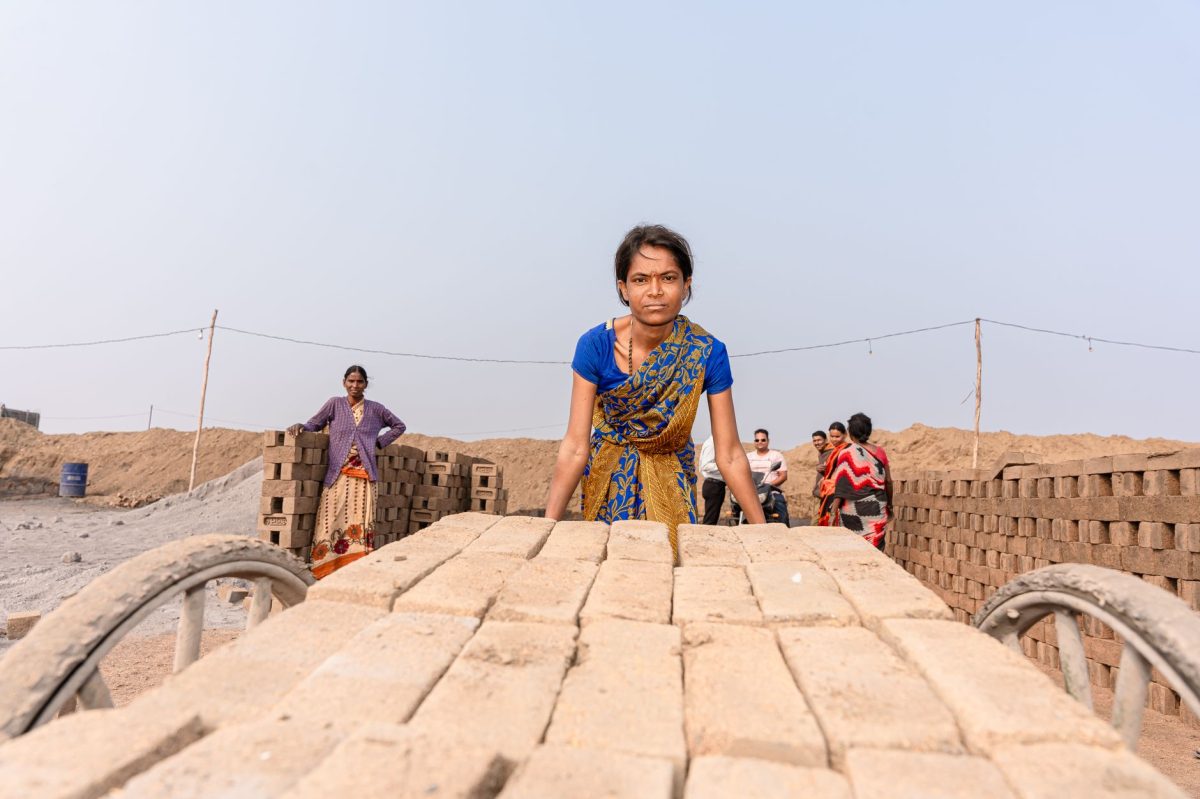
The Banchhada community in Madhya Pradesh, India, is known for its unusual cultural tradition of prioritizing the education and upbringing of their daughters. However, this investment is ultimately used to push them into sex work, highlighting a darker side to this community's values. This phenomenon raises questions about the impact of cultural traditions on the well-being of women and girls in India.
A Community's Unusual Tradition
The Banchhada community in Madhya Pradesh, India, has a unique cultural tradition of investing heavily in the education and upbringing of their daughters. According to an account by journalist Kavita Krishnan, the community provides their daughters with better nutrition, clothes, and education than their sons, in an effort to make them more desirable for potential husbands. This investment is seen as a way to ensure the family's social status and secure their daughter's future. However, this tradition has a darker side - it ultimately leads to the daughters being pushed into sex work at a young age. In an interview with Krishnan, a Banchhada woman revealed that she was forced into sex work at the age of 16, after being married off to a 45-year-old man. The woman's experience is not an isolated incident, as many Banchhada women have reported similar stories of being forced into sex work.
A Broader Pattern of Exploitation
The Banchhada community's tradition of prioritizing daughters' education and upbringing, only to push them into sex work, highlights a broader pattern of exploitation in India. Many communities in India have a cultural tradition of marrying off their daughters at a young age, often to much older men. This practice, known as 'child marriage,' is a major contributor to the problem of sex trafficking in India. In fact, according to a report by the National Crime Records Bureau, India has one of the highest rates of child marriage in the world. The report states that in 2019, 27% of girls in India were married before the age of 18. This statistic is a stark reminder of the scale of the problem.

“The Banchhada community's tradition of prioritizing daughters' education and upbringing, only to push them into sex work, highlights a broader pattern of exploitation in India.”
What We Don't Know Yet
Despite the disturbing stories of exploitation in the Banchhada community, there is still much that we don't know. What are the underlying reasons for this tradition, and how can it be changed? What is being done to support the women and girls who have been exploited, and how can we prevent it from happening in the future? These are questions that require further investigation and research.
Key Takeaways
- The Banchhada community in Madhya Pradesh, India, prioritizes the education and upbringing of their daughters, but this investment is ultimately used to push them into sex work.
- The community's tradition highlights a broader pattern of exploitation in India, with many communities practicing child marriage and sex trafficking.
- India has one of the highest rates of child marriage in the world, with 27% of girls married before the age of 18 in 2019.
What to Watch
In the coming days and weeks, we will be watching for any updates on the situation in the Banchhada community. Will the community's leaders take steps to address the issue of sex work and exploitation, or will they continue to prioritize their own interests? We will also be monitoring the response of the Indian government to this issue, and whether they will take concrete steps to address the problem of child marriage and sex trafficking.
According to a report by the National Crime Records Bureau, India has one of the highest rates of child marriage in the world, with 27% of girls married before the age of 18 in 2019.
The Banchhada community's tradition of prioritizing daughters' education and upbringing, only to push them into sex work, is a stark reminder of the complexities of cultural traditions and their impact on women and girls. While it is easy to condemn this practice, we must also acknowledge the deeper societal issues that underlie it, and work towards creating a more just and equitable society for all.