7 Face Arrest After Inner Mongolia Fatal Blast Report Exposes String of Failings

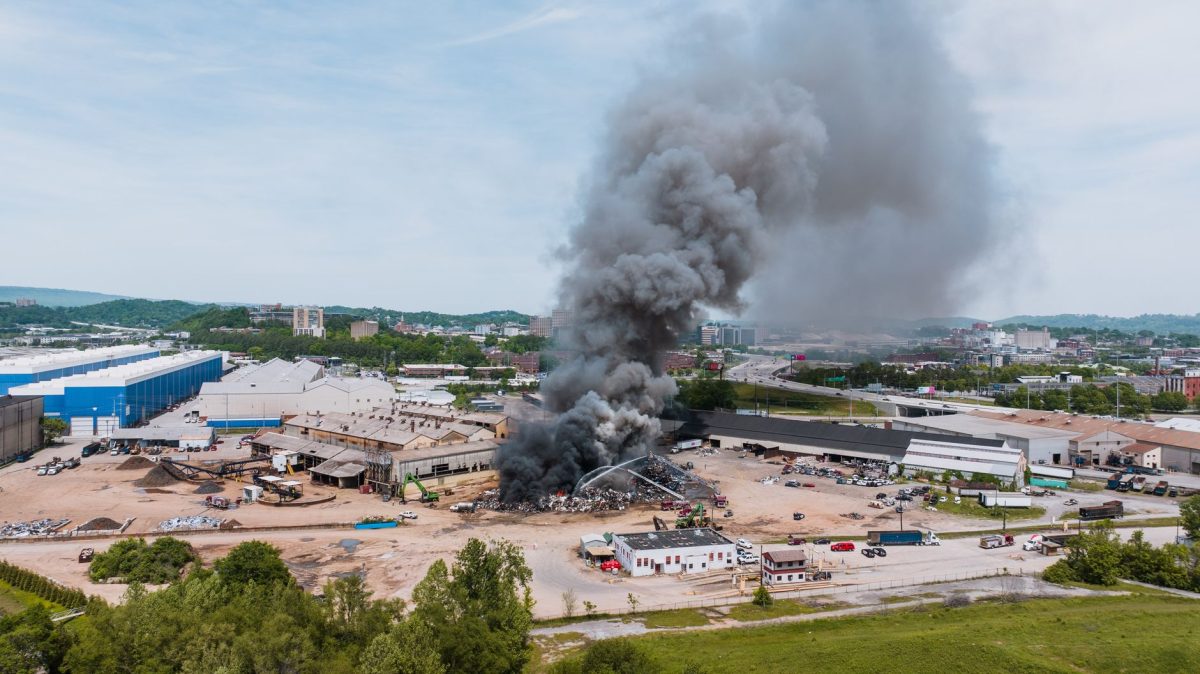
A deadly explosion at an industrial plant in Baotou in China's Inner Mongolia region has led to the arrest of 7 individuals, revealing a string of failings that has raised questions about corporate accountability and regulatory oversight. The blast, which occurred on February 16, left at least 5 people dead and 10 injured, and has sparked widespread outrage in the region. The incident highlights the need for stricter regulations and more stringent enforcement of safety protocols in the industrial sector.
Blast at Baotou Plant Leaves 5 Dead, 10 Injured
According to reports from the Baotou Municipal Government, the explosion occurred at the Baotou Steel Group's No. 3 plant, a major steel producer in the region. The blast was said to have been caused by a combination of poor maintenance, design flaws, and inadequate oversight. Account to a source close to the investigation, the plant had been operating with outdated equipment and had not undergone a thorough safety inspection in several years. The investigation has identified several key incidents leading up to the blast, including a series of near-misses and safety warnings that were ignored by plant management. The Baotou Municipal Government has promised a full investigation and has vowed to hold those responsible accountable.
A Broader Pattern of Failures
The Baotou blast is not an isolated incident, but rather part of a broader pattern of failures in China's industrial sector. In recent years, there have been numerous reports of explosions, fires, and other safety incidents at industrial plants across the country. According to a report by the China Labor Bulletin, at least 100 workers have been killed in industrial accidents in China since 2020. The report highlights the need for stricter regulations and more stringent enforcement of safety protocols in the industrial sector. The Chinese government has promised to improve industrial safety, but critics argue that more needs to be done to hold companies accountable for their actions.

“We are appalled by the lack of attention given to worker safety in China's industrial sector. The Baotou blast is a tragic reminder of the need for stricter regulations and more stringent enforcement of safety protocols.”
What We Don't Know Yet
Despite the investigation's findings, there are still many unanswered questions about the Baotou blast. The exact cause of the explosion is still unclear, and the identities of those responsible have not been publicly disclosed. Additionally, there are concerns about the impact of the blast on the surrounding community, including the long-term effects on local air and water quality. The Chinese government has promised to provide more information as the investigation continues.
Key Takeaways
- At least 5 people were killed and 10 injured in a deadly explosion at an industrial plant in Baotou, China's Inner Mongolia region.
- The blast was caused by a combination of poor maintenance, design flaws, and inadequate oversight.
- 7 individuals have been arrested in connection with the blast, with more expected to follow.
What to Watch
In the coming days and weeks, several key developments are expected to unfold in the aftermath of the Baotou blast. The Chinese government is expected to announce the results of the investigation and any subsequent actions against those responsible. Additionally, there may be changes to safety regulations and enforcement in the industrial sector. The Baotou Municipal Government has also promised to provide more information about the blast and its aftermath.
China has more industrial accidents than any other country, with an average of 10 major incidents per year, despite having some of the toughest safety regulations in the world.
The Baotou blast has left a community in shock and has highlighted the need for stricter regulations and more stringent enforcement of safety protocols in the industrial sector. As the investigation continues, it is essential to remember the human cost of this tragedy and to demand greater accountability from those responsible.