Madagascar's Wave of Disappearances Exposes Deeper Institutional Failings

A recent surge in disappearances and violent killings on the Indian Ocean island of Madagascar has left the local community in a state of panic and has prompted the government to deploy hundreds of security personnel to address the situation.
WHAT HAPPENED
According to reports from the Malagasy National Human Rights Commission, the recent wave of disappearances began in March 2023 and has resulted in the reported disappearance of at least 127 people, with many more suspected cases unreported. The victims, mostly men between the ages of 18 and 40, were last seen in the capital city of Antananarivo or in the surrounding rural areas. The majority of the disappearances occurred in the provinces of Antananarivo, Toamasina, and Fianarantsoa. The victims were often abducted from their homes, farms, or in public places, leaving behind grieving families and communities. Account to a local human rights activist, Jean-Jacques Rabenandrasana, described the situation as 'chaotic and unpredictable.' 'I have received countless reports of families searching for their loved ones, only to be met with indifference from the authorities,' Rabenandrasana stated. The lack of clear information and communication from the government has exacerbated the situation, leaving many to wonder if the authorities are doing enough to address the crisis.
WHY IT MATTERS
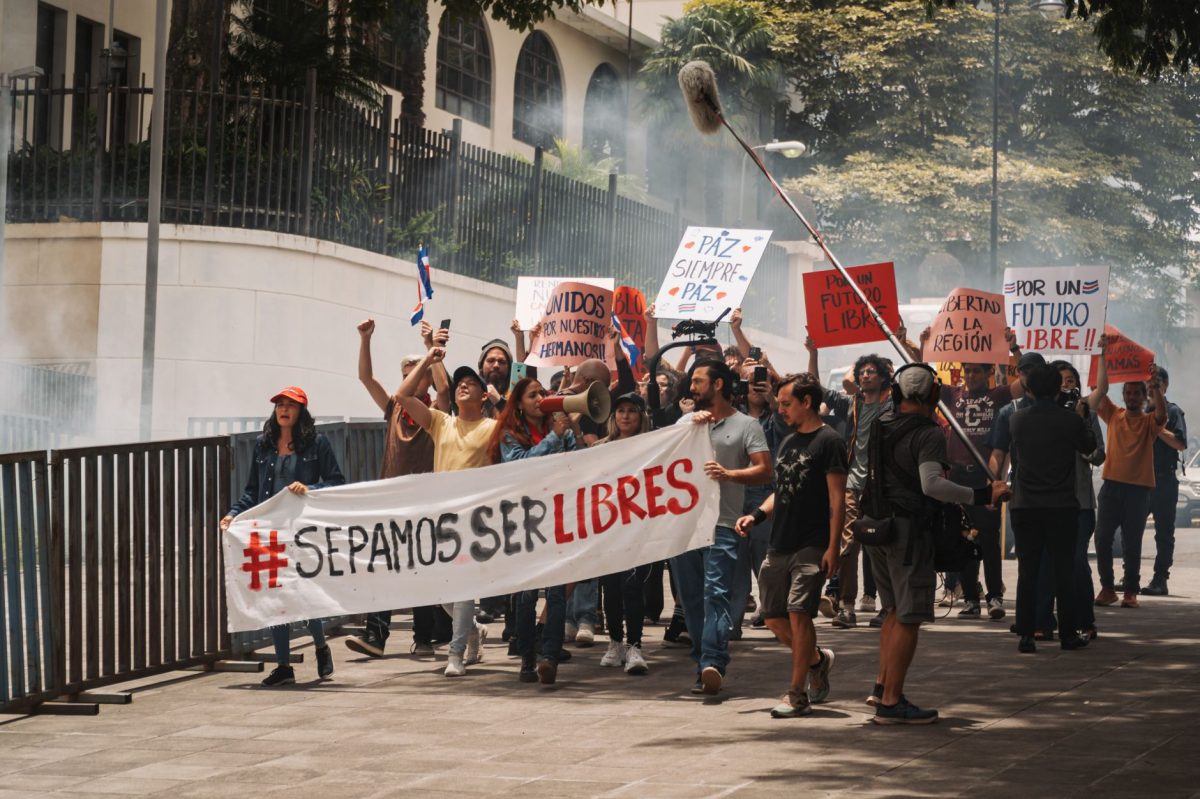
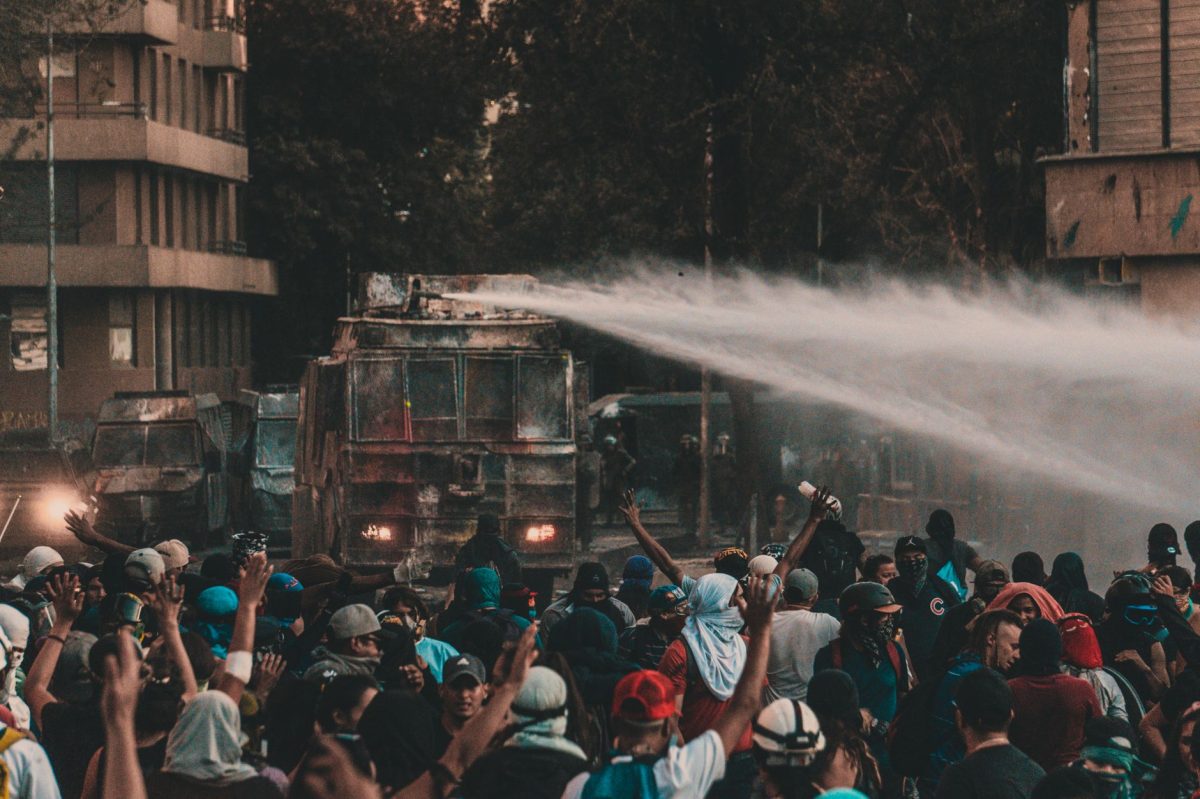
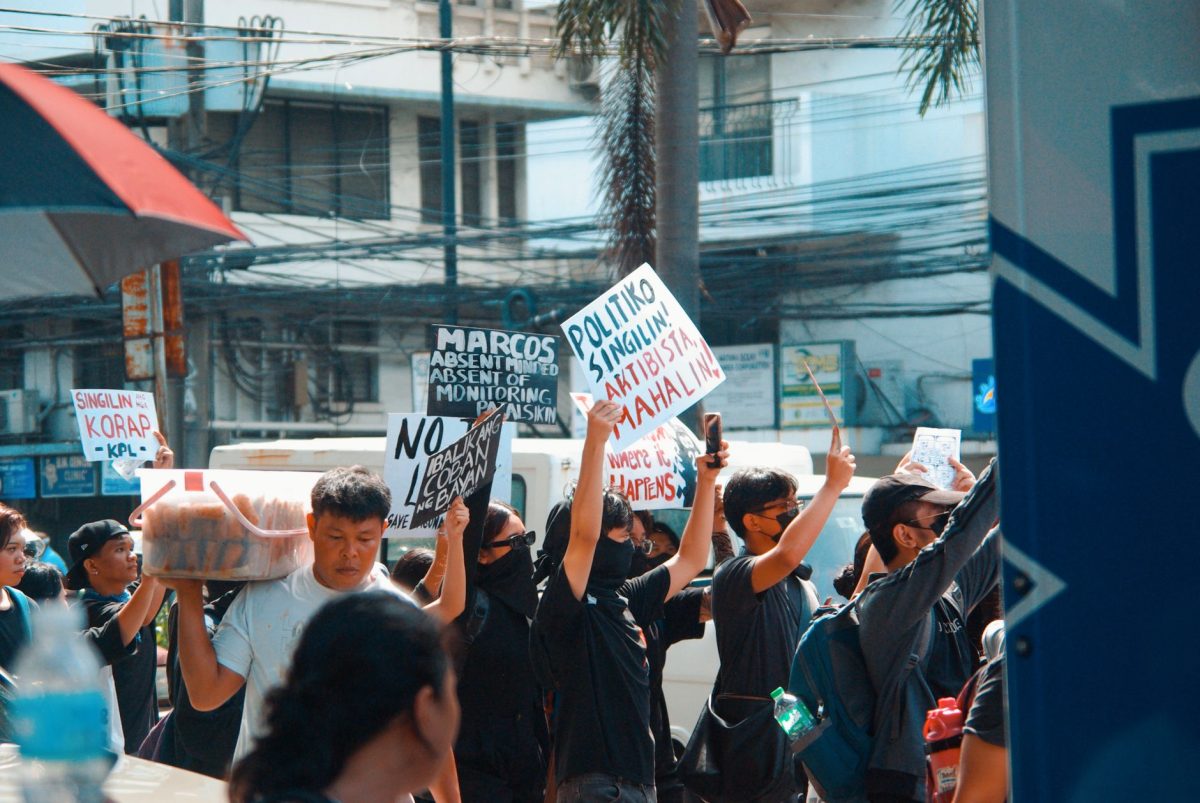
The recent surge in disappearances has exposed deeper institutional failings within Madagascar's justice system. The country has a long history of human rights abuses, and the current crisis has highlighted the government's inability to protect its citizens. The disappearances have also raised concerns about the involvement of state security forces in the abductions, with many accusing the police and military of being complicit in the disappearances. The situation has sparked widespread protests and calls for greater accountability from the government. The international community has also weighed in, with the United Nations expressing concern over the human rights situation in Madagascar. The country's reputation as a tourist destination has also been affected, with many visitors cancelling their trips in light of the crisis. The disappearances have also had a devastating impact on the local economy, with many businesses struggling to stay afloat due to the lack of tourists. The situation has left many ordinary Malagasy people wondering if they are safe and if the government is doing enough to protect them.
“'The lack of clear information and communication from the government has exacerbated the situation, leaving many to wonder if the authorities are doing enough to address the crisis.' - Jean-Jacques Rabenandrasana, local human rights activist”
WHAT WE DON'T KNOW YET
Despite the government's efforts to address the crisis, many questions remain unanswered. The exact number of disappearances is still unknown, with many cases likely to have gone unreported. The identity of the perpetrators remains unclear, with some pointing to the involvement of state security forces, while others blame organized crime groups. The government's response to the crisis has been criticized for being inadequate, with many accusing the authorities of being slow to react and lacking a clear strategy to address the situation. The lack of transparency and accountability has only added to the sense of uncertainty and fear among the local population.
WHAT TO WATCH
In the coming days, the situation in Madagascar is likely to continue to unfold. The government has announced plans to increase the number of security personnel deployed to the affected areas, but it remains to be seen if this will be enough to address the crisis. The international community is also likely to continue to put pressure on the government to take decisive action to address the human rights situation. The next 24-72 hours will be crucial in determining the outcome of the crisis, with many wondering if the government will be able to regain control of the situation.
Despite the current crisis, Madagascar has a unique culture and history, with a mix of African and Asian influences, and is home to a diverse range of flora and fauna, including the famous lemurs.
The recent surge in disappearances in Madagascar has exposed deeper institutional failings within the country's justice system. The crisis has had a devastating impact on the local community, with many ordinary Malagasy people wondering if they are safe and if the government is doing enough to protect them. The situation has sparked widespread protests and calls for greater accountability from the government, with the international community also weighing in. As the situation continues to unfold, it remains to be seen if the government will be able to regain control of the situation and address the human rights abuses that have plagued the country for so long.