Prediction: Nigeria's Electricity Subsidy Is About to End. Here Is Why — The Federal Government plans to phase out electricity subsidy payments from 2027.

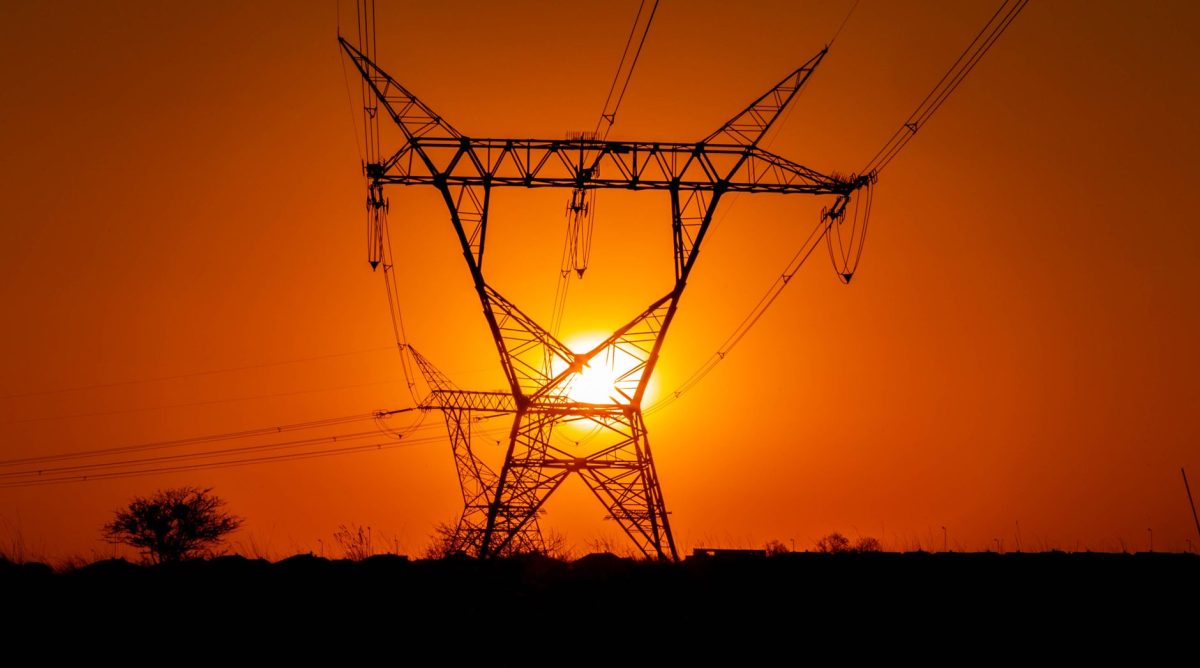
The Federal Government of Nigeria has announced plans to phase out electricity subsidy payments from 2027. This decision is significant because it affects millions of Nigerians who rely on electricity for their daily needs. The potential impact on the economy and ordinary people is substantial.
What Happened
The Federal Government announced plans to phase out electricity subsidy payments from 2027. According to Vanguard, the government aims to address mounting debts in the power sector by eliminating the subsidy. The subsidy, which is currently paid to Nigerian electricity distribution companies, is seen as a major contributor to the country's debt burden. The subsidy costs the government an estimated 200 billion naira annually. The government's plan is to increase electricity tariffs in a bid to make the power sector self-sustaining. Account to Vanguard, the Minister of Finance, Zainab Shamsuna Ahmed, stated that the government is committed to reforming the power sector and making it more efficient.
Why It Matters
The phasing out of electricity subsidy payments is expected to have a significant impact on ordinary people. Firstly, it will lead to an increase in electricity tariffs, which will make it more expensive for Nigerians to access electricity. This will affect businesses, households, and industries that rely on electricity for their operations. Secondly, the elimination of the subsidy will create jobs in the power sector as the government invests in infrastructure and renewable energy sources. The government aims to generate 30% of its electricity from renewable sources by 2030. This will reduce Nigeria's reliance on fossil fuels and mitigate the impact of climate change. However, the transition to renewable energy sources will require significant investment and infrastructure development.


“The government is committed to reforming the power sector and making it more efficient. We are working to eliminate the subsidy and make the sector self-sustaining,”
What We Don't Know Yet
While the government's plan to phase out electricity subsidy payments is significant, there are still many questions that remain unanswered. Firstly, how will the increased tariffs affect ordinary people? Will they be able to afford the higher prices, or will they be forced to rely on alternative energy sources? Secondly, how will the government ensure that the revenue generated from the increased tariffs is used effectively to stimulate economic growth and create jobs? The government has not provided a clear roadmap for how it will achieve its goals. Finally, what will be the impact of the transition to renewable energy sources on the power sector and the economy as a whole? These are questions that will only be answered in the coming years.
Key Takeaways
- The Federal Government plans to phase out electricity subsidy payments from 2027
- The subsidy costs the government an estimated 200 billion naira annually
- The government aims to generate 30% of its electricity from renewable sources by 2030
- The government aims to create 1 million new jobs in the power sector by 2027
- The government has announced plans to invest 1 trillion naira in the power sector by 2027
What to Watch
In the coming weeks and months, there are several things that we will be watching closely. Firstly, we will be monitoring the government's progress in phasing out the electricity subsidy. How quickly will the subsidy be eliminated, and what impact will it have on ordinary people? Secondly, we will be watching the impact of the increased tariffs on businesses and households. Will they be able to afford the higher prices, or will they be forced to rely on alternative energy sources? Finally, we will be monitoring the government's efforts to stimulate economic growth and create jobs in the power sector. The government has announced plans to invest 1 trillion naira in the power sector by 2027. How will this investment be used, and what impact will it have on the economy?
Nigeria has the potential to generate 12,522 megawatts of electricity from solar energy alone, which is more than the country's current total electricity generation capacity.
The phasing out of electricity subsidy payments is a significant development in Nigeria's power sector. While the impact on ordinary people will be substantial, the government's plan is to use the revenue generated to stimulate economic growth and create jobs. As we move forward, it is essential to monitor the government's progress and provide clear and concise information to help readers understand the issue.