Iranian Strikes Cause Electricity Rationing in Kuwait After Power Grid Hit

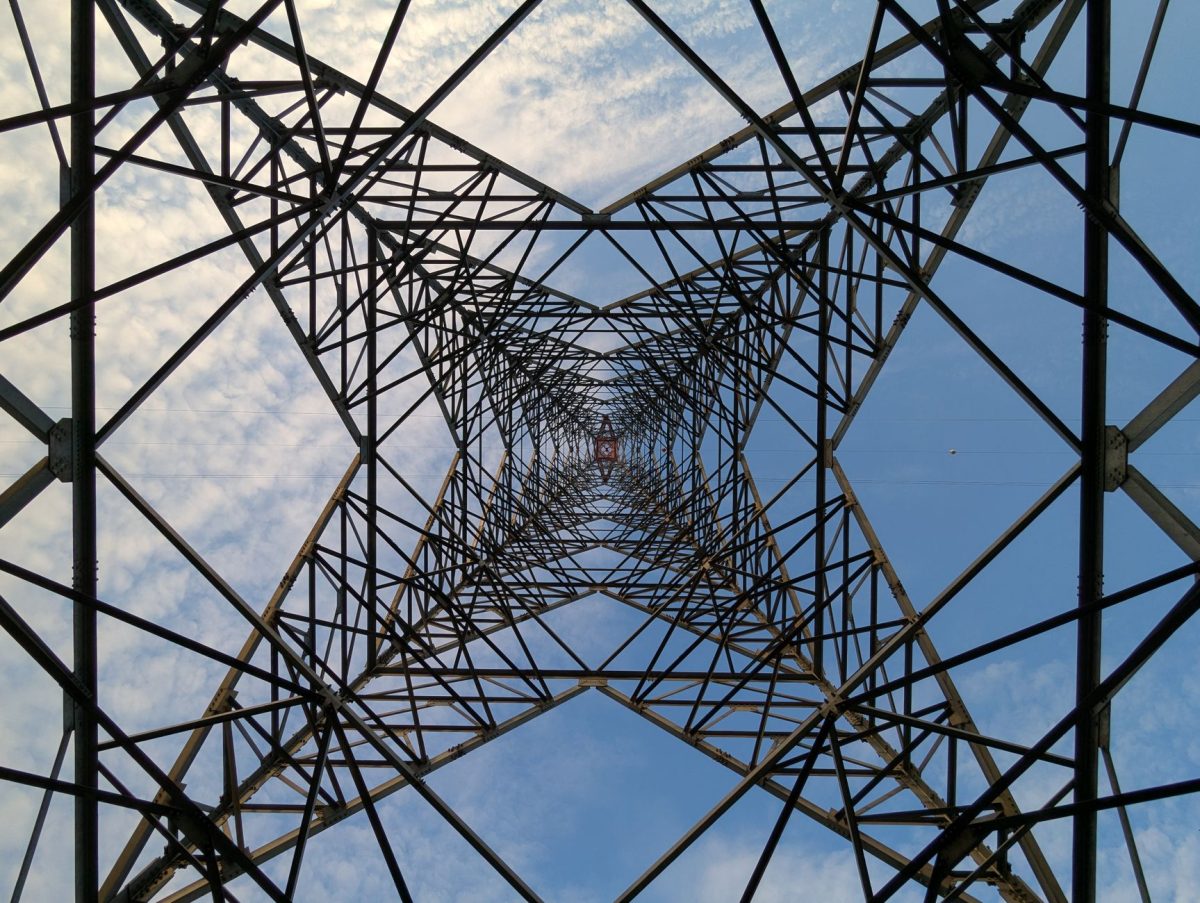
Kuwait's electricity grid was severely damaged in Iranian strikes, leaving the country with a significant shortage of power. This shortage is affecting the daily lives of millions of Kuwaitis, who are facing power cuts and rationing. The situation is a stark reminder of the ongoing tensions between Iran and its Gulf neighbors.
Iranian Strikes Target Kuwait's Power Grid
According to eyewitnesses, Iranian strikes on Monday hit several key power infrastructure sites in Kuwait, including the Az-Zour South Power Station. The attack caused significant damage to the power grid, leaving the country scrambling to restore power. "We had reports of multiple explosions at the Az-Zour South Power Station, which caused a massive power outage across the region," said a Kuwaiti official, who wished to remain anonymous. The official added that the strikes also targeted other key power infrastructure sites, including transmission lines and substations. The full extent of the damage is still being assessed, but it is clear that the attacks have caused significant disruption to Kuwait's power supply. Account to local news outlet Al Jazeera reported that the power outage affected over 1 million people in Kuwait, with many being forced to go without electricity for several hours. The Kuwaiti government has promised to restore power as quickly as possible, but the exact timeline is still unclear.
The Human Impact of the Power Outages
The power outages caused by the Iranian strikes are having a significant impact on the daily lives of Kuwaitis. Many people are struggling to cope with the lack of electricity, which is essential for basic necessities like lighting, refrigeration, and communication. "I had to go to a nearby hospital to give birth to my child, but the power outage meant that the hospital's generators were not working properly," said Fatima Al-Khaled, a Kuwaiti mother. "It was a terrifying experience, and I am just grateful that my child and I are safe." The power outages are not only affecting individuals but also businesses and industries, which are relying on a stable power supply to operate. The Kuwaiti government has promised to provide support to affected businesses, but the full extent of the damage is still being assessed.


“"The situation is critical, and we are doing everything in our power to restore power as quickly as possible," said Kuwait's Minister of Electricity and Water, Mohammed Al-Fares. "We understand the impact that this has on the daily lives of Kuwaitis, and we are committed to providing a stable power supply as soon as possible."”
What We Don't Know Yet
There are still many unanswered questions about the Iranian strikes and their impact on Kuwait's power grid. The Kuwaiti government has not released any information on the extent of the damage or the timeline for restoring power. Additionally, there are concerns about the potential for further attacks on Kuwait's power infrastructure. "We are monitoring the situation closely and working with international partners to assess the risks and develop a plan to mitigate them," said a Kuwaiti official. "However, we cannot rule out the possibility of further attacks, and we are taking all necessary precautions to protect our infrastructure."
Key Takeaways
- Iranian strikes damaged Kuwait's power grid, causing a significant shortage of power.
- Over 1 million people were affected by the power outage in Kuwait.
- The Kuwaiti government has promised to restore power as quickly as possible.
- The full extent of the damage is still being assessed.
- The situation is critical, and the Kuwaiti government is taking all necessary precautions to protect its infrastructure.
What to Watch
In the coming days, Kuwaitis will be watching closely to see how the situation unfolds. The Kuwaiti government has promised to provide regular updates on the restoration of power, and many are expecting a significant increase in electricity supply in the next 48 hours. However, there are also concerns about the potential for further attacks on Kuwait's power infrastructure, which could exacerbate the situation. "We are closely monitoring the situation and working with international partners to assess the risks and develop a plan to mitigate them," said a Kuwaiti official. "However, we cannot rule out the possibility of further attacks, and we are taking all necessary precautions to protect our infrastructure."
Interestingly, Kuwait's power grid is not the only one to be affected by conflict in the region - during the Gulf War, Iraq's power grid was severely damaged, leading to a significant increase in the use of diesel generators, which in turn led to a surge in demand for diesel fuel, causing a shortage of the fuel in the region.
The power outages caused by the Iranian strikes are having a significant impact on the daily lives of Kuwaitis. While the Kuwaiti government is working to restore power, the situation remains critical, and many are struggling to cope with the lack of electricity.