Russia's 'Africa Corps' Airstrikes Kill Civilians in Mali's Mopti Region

A recent airstrike in Mali's Mopti region, attributed to Russia's 'Africa Corps', has resulted in the deaths of civilians and displacement of residents, highlighting the ongoing humanitarian crisis in the region. This incident is a stark reminder of the devastating consequences of military action on innocent civilians. The international community must take a closer look at the situation to prevent further escalation.
What Happened
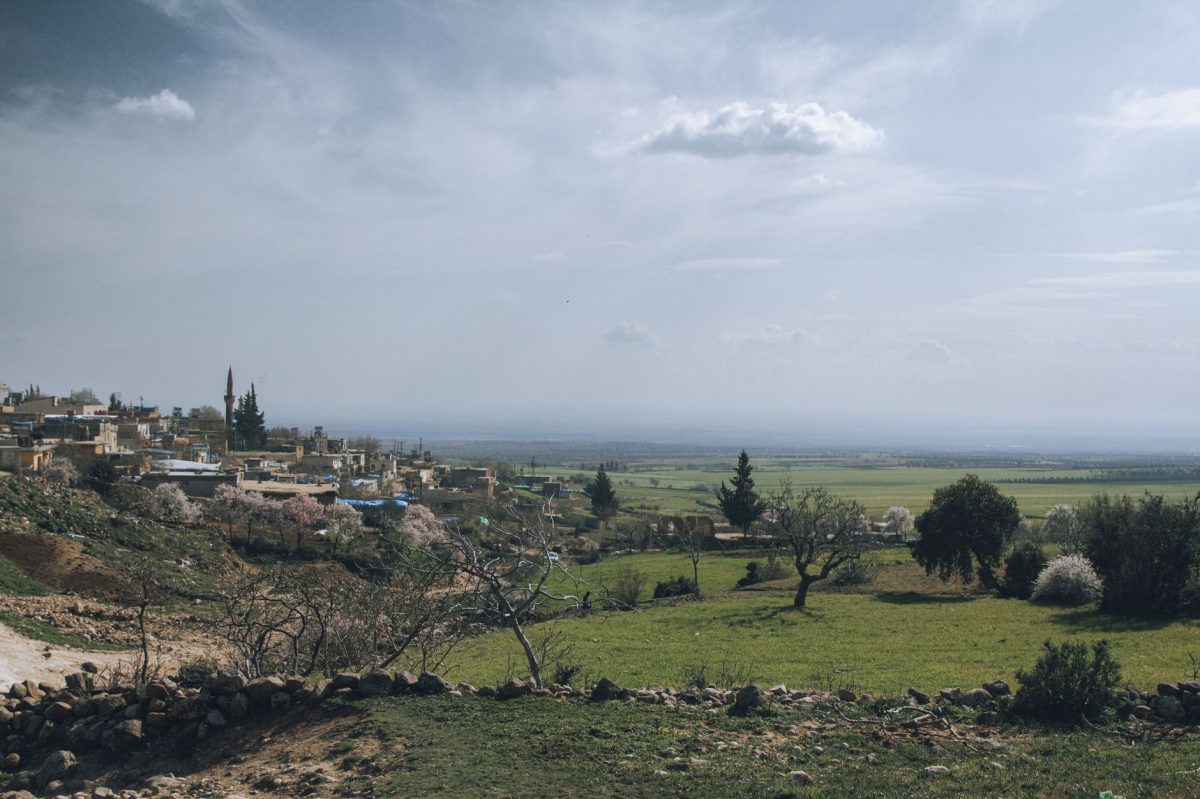
According to an account by Human Rights Watch, on February 18, 2024, a Russian airstrike targeted the village of Douentza in Mali's Mopti region, held by an Islamist armed group. The airstrike resulted in the deaths of at least 12 civilians, including women and children, and injured several others. Eyewitnesses reported seeing the bodies of civilians, some of whom were still alive, being taken to a hospital in the nearby town of Bandiagara. The village's residents have been displaced, with many fleeing to nearby towns for safety. Human Rights Watch investigators visited the village and documented the aftermath of the airstrike, including the destruction of homes and infrastructure. The investigators also spoke to eyewitnesses who described the scene of the airstrike, which they said was carried out by Russian aircraft. The Russian military has not officially confirmed the airstrike, but the evidence collected by Human Rights Watch suggests a clear pattern of targeting civilian areas. An investigation into the incident is underway, led by the Malian government in collaboration with the United Nations.
The airstrike in Douentza village is a stark reminder of the devastating consequences of military action on innocent civilians in Mali. The ongoing conflict in the region has resulted in the displacement of thousands of people, many of whom are forced to live in precarious conditions. The international community must take a closer look at the situation to prevent further escalation and ensure that those responsible for civilian casualties are held accountable. The United Nations estimates that over 500,000 people have been displaced in Mali since 2012, with many facing severe food and water shortages. The humanitarian crisis in Mali is a complex issue that requires a multifaceted approach, including diplomatic efforts to resolve the conflict and support for humanitarian organizations providing aid to those affected. The airstrike in Douentza village highlights the need for greater transparency and accountability in military operations, particularly in conflict zones where civilians are often caught in the crossfire.
“The airstrike in Douentza village is a tragic reminder of the human cost of conflict in Mali. We urge the Malian government and the international community to take immediate action to address the humanitarian crisis and ensure that those responsible for civilian casualties are held accountable.”
While the evidence collected by Human Rights Watch suggests a clear pattern of targeting civilian areas, there are still many questions surrounding the airstrike in Douentza village. The Russian military has not officially confirmed the airstrike, and the exact number of civilian casualties is still unknown. An investigation into the incident is underway, led by the Malian government in collaboration with the United Nations. However, the investigation's findings and conclusions are yet to be released. The international community must wait for the results of the investigation to fully understand the circumstances surrounding the airstrike and to determine whether those responsible will be held accountable. In the meantime, the humanitarian crisis in Mali continues to worsen, with thousands of people displaced and facing severe food and water shortages.
Key Takeaways
- At least 12 civilians were killed in a Russian airstrike in Mali's Mopti region on February 18, 2024.
- The airstrike targeted the village of Douentza, which was held by an Islamist armed group.
- The Malian government and the United Nations are investigating the incident, which may lead to further action against those responsible.
- The humanitarian crisis in Mali has resulted in the displacement of over 500,000 people since 2012, with many facing severe food and water shortages.
- The international community must take a closer look at the situation to prevent further escalation and ensure that those responsible for civilian casualties are held accountable.
In the coming days and weeks, the international community will be watching closely to see how the situation in Mali unfolds. The Malian government and the United Nations will release the findings of their investigation into the airstrike, which will provide crucial insight into the circumstances surrounding the incident. The international community will also be monitoring the situation in the village of Douentza, where residents are still displaced and facing severe humanitarian challenges. The humanitarian crisis in Mali is a complex issue that requires a multifaceted approach, including diplomatic efforts to resolve the conflict and support for humanitarian organizations providing aid to those affected. As the situation continues to unfold, the international community must remain vigilant and take immediate action to address the humanitarian crisis and ensure that those responsible for civilian casualties are held accountable.
The airstrike in Douentza village is a stark reminder of the devastating consequences of military action on innocent civilians in Mali. The international community must take a closer look at the situation to prevent further escalation and ensure that those responsible for civilian casualties are held accountable. As the situation continues to unfold, the humanitarian crisis in Mali will remain a pressing concern for the international community.