Rwanda Pioneers Hepatitis Elimination Efforts in Africa

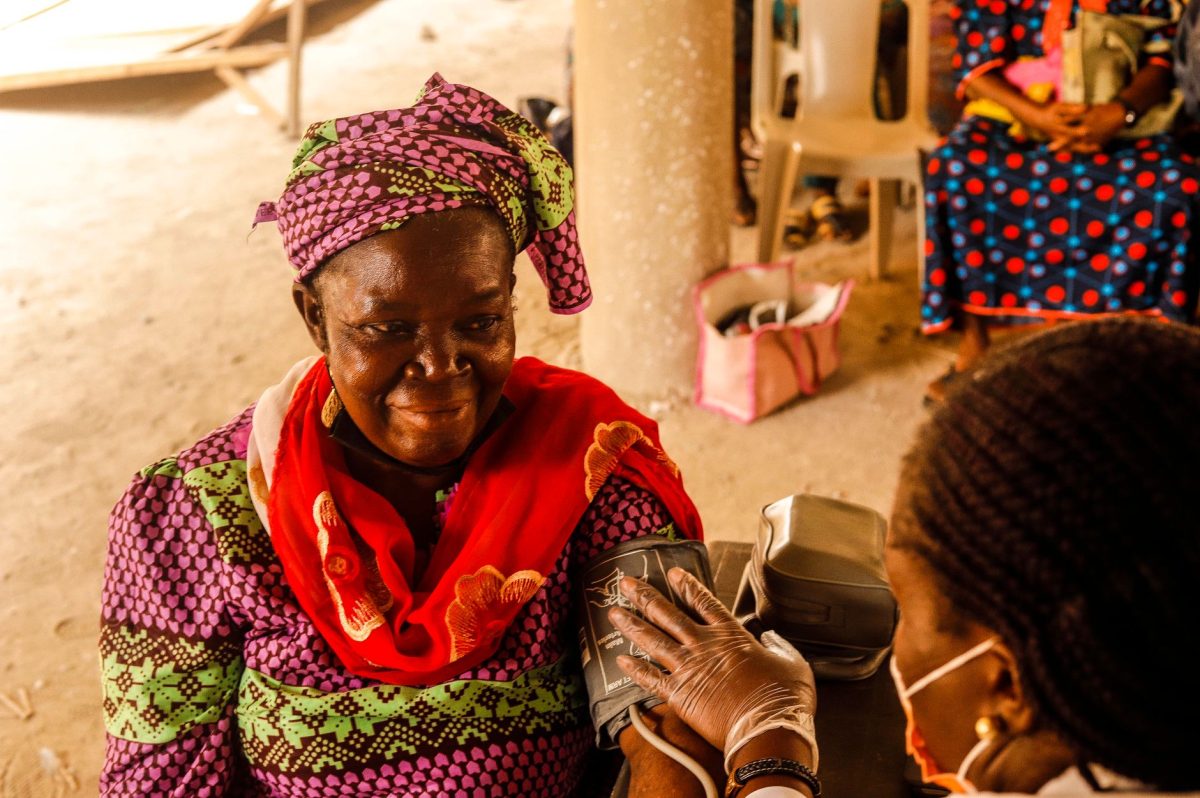
Rwanda's efforts to expand hepatitis screening, treatment, and decentralized care have been highlighted as an example of how African countries can take greater ownership of their health systems. This development is crucial for reducing the burden of the disease on ordinary people in the region. Rwanda has made significant strides in addressing hepatitis, with a focus on vulnerable populations, including children and pregnant women. This story sheds light on the country's progress and its potential implications for the continent.
What Happened: Africa CDC Boss Commends Rwanda's Progress
The Africa Centres for Disease Control and Prevention (Africa CDC) Director-General, Dr. Matshidiso Moeti, recently praised Rwanda's efforts to address hepatitis in the country. According to New Times, Dr. Moeti highlighted Rwanda's progress in expanding hepatitis screening, treatment, and decentralized care as a model for other African countries to follow. This recognition comes after Rwanda's commitment to addressing the disease has led to a significant decrease in new cases. New cases of hepatitis have declined by 75% in the past five years in Rwanda, according to the Ministry of Health. The country has also increased access to treatment, with antiviral therapy available in all 30 districts. Dr. Moeti attributed Rwanda's success to its commitment to decentralized care, which allows for more targeted interventions and better patient outcomes. Account to New Times, Dr. Moeti stated, 'Rwanda's approach to addressing hepatitis is a shining example of what can be achieved when a country takes ownership of its health system.'
Why It Matters: Decentralized Care and Access to Treatment
Rwanda's focus on decentralized care has improved access to treatment for vulnerable populations, including children and pregnant women. This approach has been instrumental in reducing the burden of the disease on ordinary people. The expansion of hepatitis screening and treatment has also led to a significant decrease in new cases. Decentralized care has enabled Rwanda to reach 90% of the population with hepatitis screening, according to the Ministry of Health. The country's success in addressing hepatitis has also led to increased access to other essential health services, including HIV/AIDS treatment and maternal care. By taking ownership of its health system, Rwanda has shown that even the most marginalized communities can access quality care. The implications of this model are far-reaching, with the potential to transform the way health services are delivered across the continent.


“Rwanda's approach to addressing hepatitis is a shining example of what can be achieved when a country takes ownership of its health system.”
What We Don't Know Yet: Challenges and Uncertainties
While Rwanda's progress in addressing hepatitis is commendable, there are still challenges and uncertainties that need to be addressed. One of the key concerns is the availability of resources, including funding and human capacity. The country will need to sustain its commitment to decentralized care and community-based interventions to maintain its progress. Additionally, there is still a need for further research on the most effective ways to address hepatitis in low-resource settings. The Africa CDC has identified a need for more data on hepatitis transmission patterns and disease burden in sub-Saharan Africa. Furthermore, there is a need for more effective strategies to engage communities in the fight against hepatitis, including addressing stigma and improving awareness. These challenges and uncertainties highlight the need for continued investment in health infrastructure and the development of more effective interventions.
Key Takeaways
- Rwanda has made significant strides in addressing hepatitis, with a focus on vulnerable populations, including children and pregnant women.
- New cases of hepatitis have declined by 75% in the past five years in Rwanda.
- Decentralized care has enabled Rwanda to reach 90% of the population with hepatitis screening.
- Rwanda's commitment to addressing hepatitis has led to increased access to other essential health services, including HIV/AIDS treatment and maternal care.
What to Watch: Key Developments and Outcomes
In the coming weeks and months, there are several key developments to watch in Rwanda's efforts to address hepatitis. The country is expected to continue its commitment to decentralized care and community-based interventions. The Ministry of Health plans to expand antiviral therapy to an additional 10 districts. Additionally, the country is expected to increase its investment in health infrastructure, including the construction of new health facilities and the procurement of essential medical equipment. The Africa CDC will also continue to provide technical support and guidance to Rwanda as it sustains its progress in addressing hepatitis. These developments highlight the potential for Rwanda's model to transform the way health services are delivered across the continent.
Hepatitis is a leading cause of death in Africa, but it is often overlooked as a major public health threat, with many people unaware of the disease's risks and consequences.
Rwanda's experience demonstrates that even the most marginalized communities can access quality care when a country takes ownership of its health system. The country's commitment to decentralized care and community-based interventions has led to a significant decrease in new cases and improved access to treatment. This model has the potential to transform the way health services are delivered across the continent, and it is essential to continue investing in health infrastructure and developing more effective interventions.