Africa's Blue Economy Generates Over $298 Billion Annually, Says AU Director Hersen Nyambe

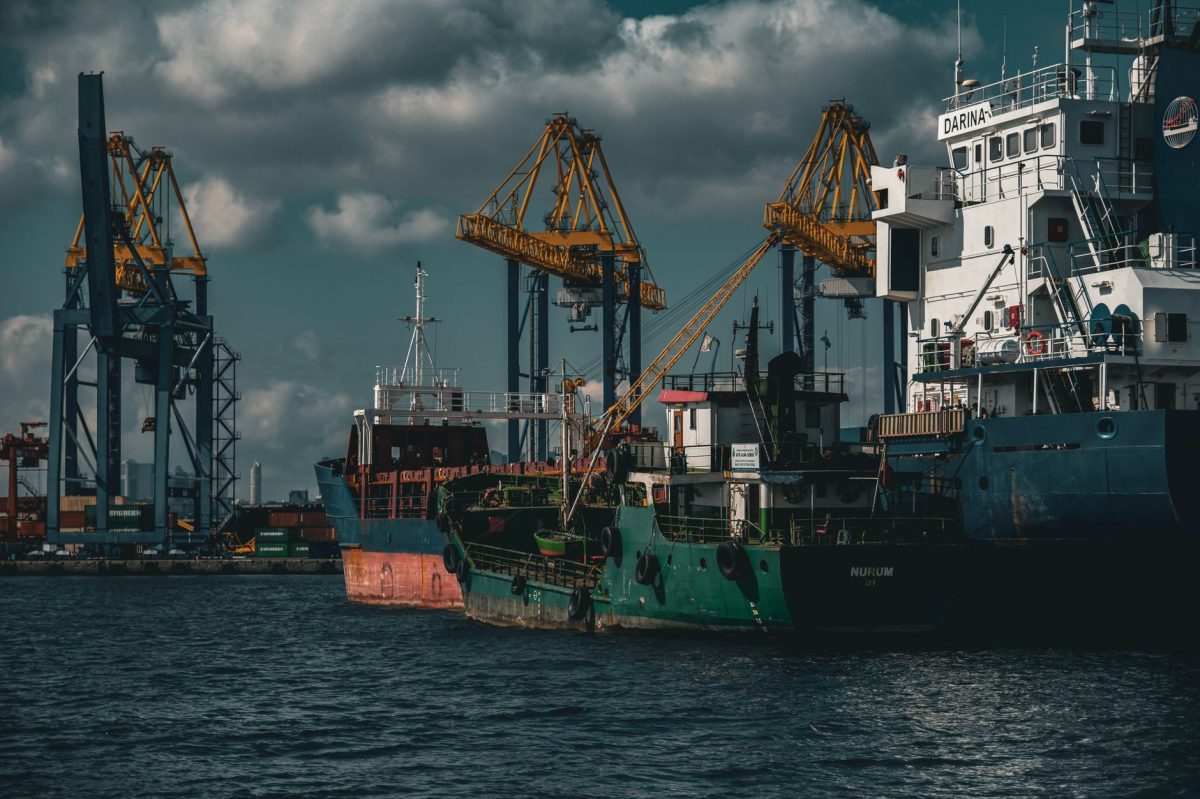
The African continent's blue economy is generating over $298 billion annually, according to Hersen Nyambe, the Director of Blue Economy and Sustainable Environment at the African Union. This significant economic activity is a vital component of the continent's development, providing essential livelihoods for millions of people. The blue economy encompasses various sectors, including fisheries, aquaculture, and coastal tourism, which are crucial for Africa's economic growth and sustainable development. The figure disclosed by Nyambe is a clear indication of the blue economy's potential to drive Africa's economic growth and improve the lives of its citizens.
African Union Director Reveals Blue Economy Figures in Luanda, Angola
According to a report by ANGOP, Hersen Nyambe, the Director of Blue Economy and Sustainable Environment at the African Union, stated on Wednesday, 22 June, in Luanda, Angola, that the continent's blue economy currently generates over $298 billion annually. Nyambe made this revelation during a high-level meeting of the African Union, where the blue economy was a key agenda item. The Director emphasized the importance of the blue economy in promoting sustainable development and improving the lives of Africans. The blue economy is a vital component of Africa's economic growth, providing essential livelihoods for millions of people. Nyambe's statement was based on data from the African Union's Blue Economy Strategy, which aims to unlock the full potential of the blue economy in Africa. The Strategy identifies key sectors, including fisheries, aquaculture, and coastal tourism, as critical drivers of economic growth and sustainable development. The Strategy also emphasizes the need for sustainable management of Africa's marine resources to ensure their long-term viability.
Why the Blue Economy Matters for Africa's Development
The blue economy is a critical component of Africa's development, providing essential livelihoods for millions of people. The sector is also a key driver of economic growth, with the potential to create jobs, stimulate innovation, and increase revenue. The blue economy's importance extends beyond economic benefits, as it also plays a vital role in promoting sustainable development and reducing poverty. By harnessing the potential of the blue economy, Africa can improve the lives of its citizens, promote economic growth, and reduce poverty. The African Union's Blue Economy Strategy recognizes the sector's potential and aims to unlock its full benefits for Africa's development. The Strategy emphasizes the need for sustainable management of Africa's marine resources to ensure their long-term viability. This approach will not only promote economic growth but also ensure the long-term sustainability of the blue economy. The African Union's commitment to the blue economy is a positive step towards realizing the continent's development potential and improving the lives of its citizens.


“Hersen Nyambe, Director of Blue Economy and Sustainable Environment at the African Union, stated that the blue economy is a vital component of Africa's economic growth, providing essential livelihoods for millions of people.”
What We Don't Know Yet
While the African Union's Blue Economy Strategy provides a clear framework for unlocking the sector's potential, there are still several challenges and uncertainties that need to be addressed. One of the key challenges is the need for sustainable management of Africa's marine resources. The Strategy emphasizes the need for this approach to ensure the long-term viability of the blue economy. However, the lack of data and research on the sector's impacts and benefits makes it difficult to develop effective policies and strategies. The African Union's Blue Economy Strategy recognizes the need for more research and data on the sector's impacts and benefits. Another challenge is the need for increased investment in the blue economy. The Strategy emphasizes the need for investment in infrastructure, technology, and human capacity to unlock the sector's potential. However, the lack of investment in the sector is a major constraint to its development. The African Union's Blue Economy Strategy emphasizes the need for increased investment in the sector to unlock its full potential.
Key Takeaways
- The African Union's Blue Economy Strategy aims to unlock the full potential of the blue economy in Africa.
- The blue economy is a vital component of Africa's economic growth, providing essential livelihoods for millions of people.
- The African Union's Blue Economy Strategy emphasizes the need for sustainable management of Africa's marine resources to ensure their long-term viability.
- The Strategy also emphasizes the need for increased investment in the blue economy to unlock its full potential.
- The African Union's commitment to the blue economy is a positive step towards realizing the continent's development potential and improving the lives of its citizens.
What to Watch
The African Union's Blue Economy Strategy provides a clear framework for unlocking the sector's potential. However, the success of the Strategy will depend on the implementation of its recommendations. Key players to watch include the African Union, African countries, and international organizations. These stakeholders will need to work together to develop and implement effective policies and strategies to promote the blue economy. The African Union's Blue Economy Strategy emphasizes the need for collaboration and coordination among stakeholders to unlock the sector's potential. Realistic outcomes to watch for include increased investment in the blue economy, improved management of Africa's marine resources, and the creation of jobs and economic opportunities. These outcomes will depend on the effective implementation of the African Union's Blue Economy Strategy and the commitment of stakeholders to promoting the sector's development.
The blue economy is not just about the ocean, but also includes inland waterways and aquatic resources, which are often overlooked but are crucial for the sector's development.
The African Union's commitment to the blue economy is a positive step towards realizing the continent's development potential and improving the lives of its citizens. By harnessing the potential of the blue economy, Africa can improve the lives of its citizens, promote economic growth, and reduce poverty. The success of the Blue Economy Strategy will depend on the effective implementation of its recommendations and the commitment of stakeholders to promoting the sector's development.