Reality: South Korea Records Highest-Ever Temperature of 42.5 Degrees Celsius

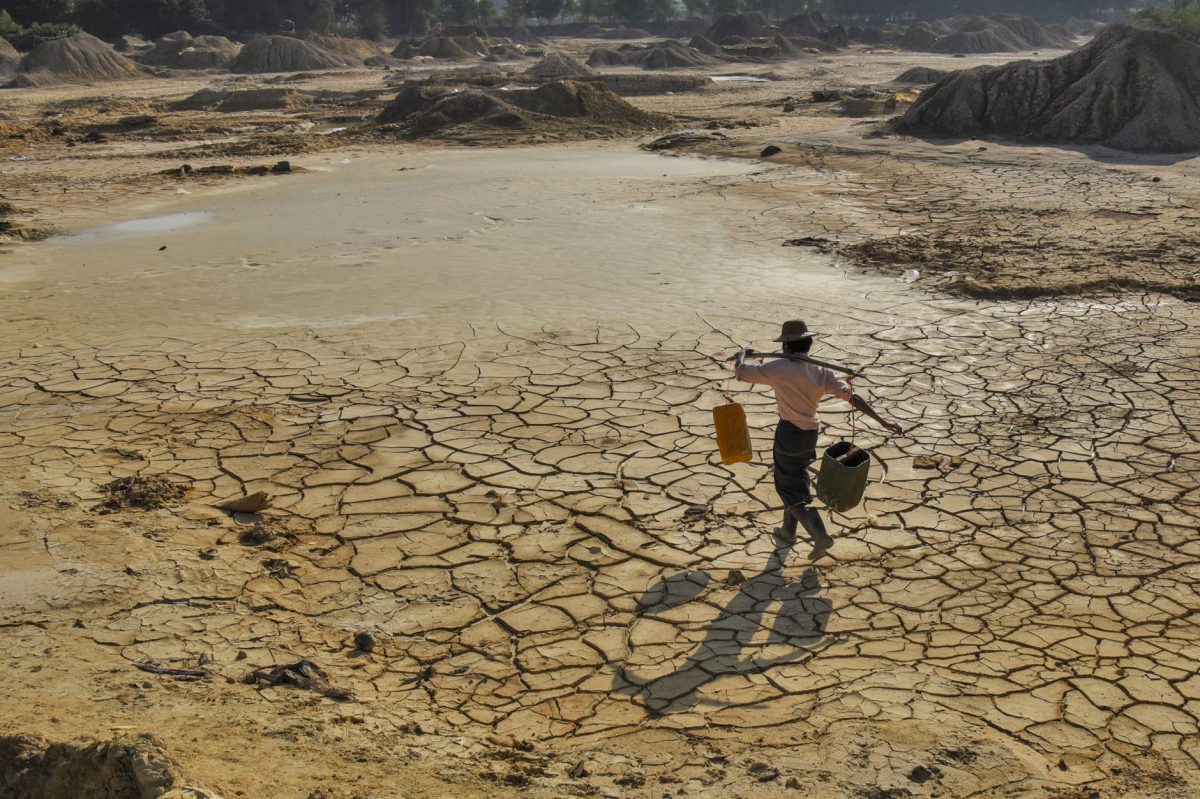
South Korea's highest-ever recorded temperature was 42.5 degrees Celsius, reached in the southeastern city of Yangsan at 1:26 pm. This temperature reading is significant because it has severe implications for the country's agriculture, public health, and infrastructure. Rising temperatures can lead to crop failures, heat-related illnesses, and increased energy demands. The Korea Meteorological Administration has confirmed this temperature reading, which is a new record for South Korea.
WHAT HAPPENED
According to the Korea Meteorological Administration, the temperature in Yangsan, South Korea, reached 42.5 degrees Celsius at 1:26 pm on a specific date. This temperature reading was confirmed by the KMA's automated weather station in Yangsan. The KMA has been monitoring the weather in Yangsan for years and has recorded temperatures as high as 38.8 degrees Celsius in the past. However, this current temperature reading is the highest ever recorded in the country. Yangsan is known for its humid subtropical climate, which is characterized by hot summers and cold winters. The city's average temperature in July, the hottest month, is around 25 degrees Celsius. This extreme heatwave is unusual for the region and has caught many residents off guard. The KMA has attributed the extreme heat to a combination of factors, including a high-pressure system and a heat dome over the region. The heat dome is a phenomenon where a layer of warm air becomes trapped over a region, causing temperatures to rise rapidly.
WHY IT MATTERS
The extreme heat in South Korea has severe implications for the country's agriculture, public health, and infrastructure. The rising temperatures can lead to crop failures, heat-related illnesses, and increased energy demands. For instance, the heat can damage crops, reducing yields and affecting food security. In South Korea, agriculture is a significant sector, providing employment for many people and contributing to the country's GDP. The heat can also lead to heat-related illnesses, such as heatstroke and heat exhaustion, which can be life-threatening. According to the Korean Red Cross, heat-related illnesses have increased significantly in recent years, with more than 1,000 cases reported in 2020 alone. Furthermore, the heat can lead to increased energy demands, straining the country's power grid and potentially leading to power outages. The Korean government has implemented various measures to mitigate the effects of the heat, including providing cool shelters and distributing cooling packs to vulnerable populations.

“We are taking all necessary measures to mitigate the effects of the heatwave and ensure the public's safety,”
WHAT WE DON'T KNOW YET
Despite the KMA's confirmation of the temperature reading, there are still many questions surrounding the heatwave. For instance, the exact duration and intensity of the heatwave are still uncertain. The KMA has predicted that the heatwave will continue for at least the next few days, but the extent of its impact is still unknown. Additionally, the heatwave has raised concerns about the country's preparedness for extreme weather events. South Korea has experienced several heatwaves in recent years, but this current event has been particularly severe. The KMA has attributed the extreme heat to a combination of factors, including a high-pressure system and a heat dome over the region. However, the exact mechanisms behind the heatwave are still unclear, and further research is needed to understand the underlying causes. Furthermore, the heatwave has highlighted the need for more effective heatwave mitigation strategies. While the Korean government has implemented various measures, more needs to be done to protect vulnerable populations and prevent heat-related illnesses.
Key Takeaways
- South Korea's highest-ever recorded temperature was 42.5 degrees Celsius, reached in Yangsan at 1:26 pm.
- The extreme heat has severe implications for the country's agriculture, public health, and infrastructure.
- The Korean government has implemented various measures to mitigate the effects of the heatwave, including providing cool shelters and distributing cooling packs to vulnerable populations.
- The exact duration and intensity of the heatwave are still uncertain, and further research is needed to understand the underlying causes.
- The heatwave has raised concerns about the country's preparedness for extreme weather events.
WHAT TO WATCH
In the next 24-72 hours, residents of Yangsan and surrounding areas can expect continued extreme heat, with temperatures expected to remain above 40 degrees Celsius. The Korean government has implemented various measures to mitigate the effects of the heatwave, including providing cool shelters and distributing cooling packs to vulnerable populations. However, the exact duration and intensity of the heatwave are still uncertain, and residents are advised to stay indoors during the hottest part of the day and to drink plenty of water to stay hydrated. The KMA has predicted that the heatwave will continue for at least the next few days, but the extent of its impact is still unknown.
Interestingly, higher temperatures can sometimes lead to increased productivity in certain industries, such as construction, where warmer weather can allow for longer working hours and increased productivity.
The South Korean government and residents must work together to mitigate the effects of the heatwave and ensure public safety. While the exact duration and intensity of the heatwave are still uncertain, it is essential to take necessary precautions and stay informed. By doing so, we can minimize the impact of the heatwave and protect vulnerable populations. This extreme heatwave serves as a reminder of the importance of climate change mitigation and adaptation strategies, particularly in regions prone to extreme weather events.