UK Aid Cuts Result in 90% Reduction in Bilateral Support to Some African Countries

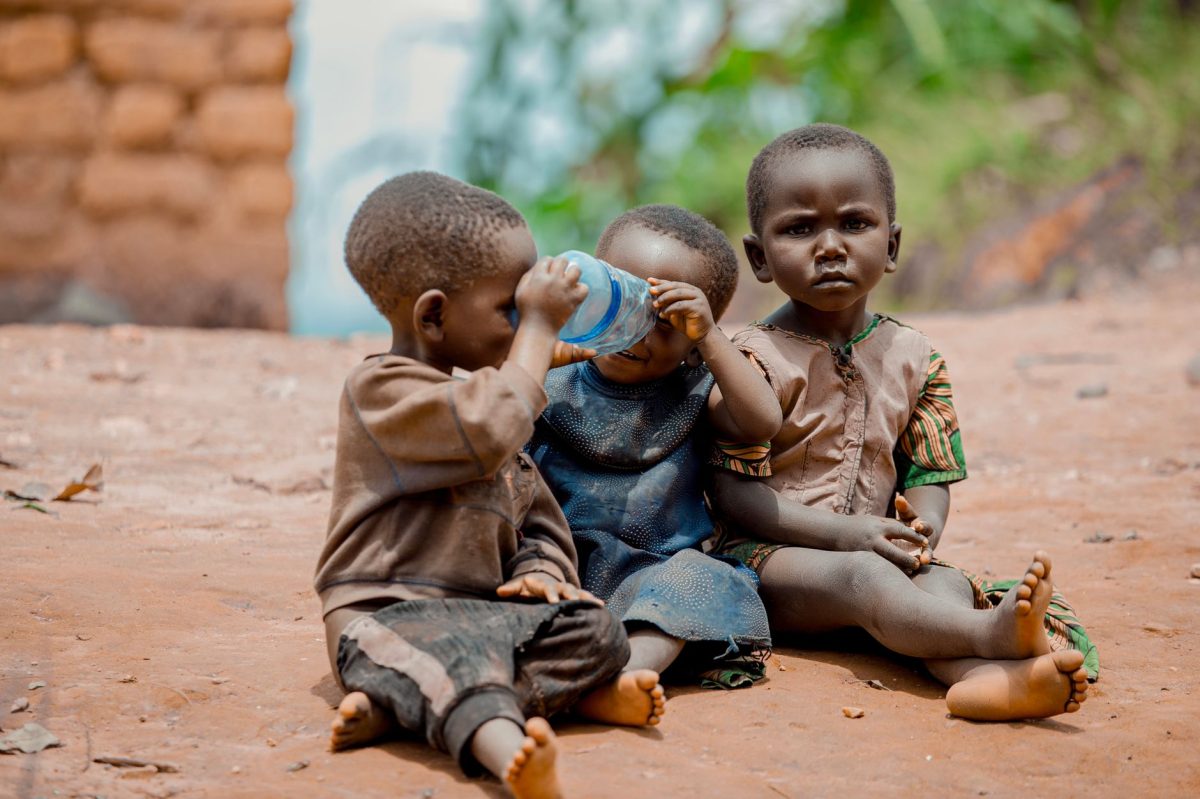
The UK's decision to cut foreign aid has resulted in a 90% reduction in bilateral support to some African countries, raising concerns over the implications for global development and the UK's reputation as a humanitarian leader.
UK Aid Cuts Result in Significant Reductions in Bilateral Support to African Countries
Accounting to Labour Party officials, the UK's decision to cut foreign aid has resulted in a 90% reduction in bilateral support to some African countries. According to a recent report, the cuts have had a devastating impact on the ground, with aid programs in countries such as Ghana, Kenya, and Tanzania facing significant reductions in funding. For example, the UK's aid program in Ghana has been reduced from u00a350 million to just u00a35 million, a cut of 90%. This reduction is set to have a significant impact on the country's ability to deliver essential services such as healthcare and education. The cuts are a result of the UK's decision to reduce its foreign aid budget from 0.7% of GDP to 0.5% of GDP in 2021. Labour Party officials have expressed concerns over the decision, stating that it will have a devastating impact on the world's poorest countries and undermine the UK's reputation as a humanitarian leader. According to a Labour Party spokesperson, 'the UK's decision to cut foreign aid is a betrayal of our international obligations and a blow to the world's poorest countries'.
The Implications of UK Aid Cuts for Global Development
The UK's decision to cut foreign aid has significant implications for global development. The reduction in bilateral support to some African countries will have a devastating impact on the delivery of essential services such as healthcare and education. The World Bank estimates that every 1% reduction in aid can lead to a 2% increase in poverty rates. The cuts will also undermine the UK's reputation as a humanitarian leader, making it increasingly difficult for the country to secure support for its own aid programs. Furthermore, the cuts will have a negative impact on the global economy, as a reduction in aid can lead to a decrease in economic growth and an increase in poverty rates. The World Health Organization estimates that every u00a31 invested in aid returns u00a34 in economic growth. The reduction in aid will also have a negative impact on the environment, as developing countries will be less able to invest in sustainable development and climate change mitigation. A report by the Overseas Development Institute estimates that the UK's aid cuts will lead to a 10% increase in greenhouse gas emissions.

“The UK's decision to cut foreign aid is a betrayal of our international obligations and a blow to the world's poorest countries. We need to rethink our priorities and ensure that we are delivering on our commitments to the world's poorest people.”
What We Don't Know Yet
Despite the significant implications of the UK aid cuts, there are still many unanswered questions. One of the biggest questions is how the cuts will be implemented, and what support will be provided to affected countries. The UK government has yet to provide clear guidance on how the cuts will be implemented, and what support will be provided to countries that are most affected. Another question is how the cuts will impact the global economy, and what the long-term implications will be for global development. The World Bank estimates that the global economy could lose up to $1.5 trillion in economic growth as a result of the cuts. Finally, there are questions over how the cuts will impact the UK's reputation as a humanitarian leader, and what the implications will be for the country's ability to secure support for its own aid programs. A report by the Overseas Development Institute estimates that the cuts will lead to a 20% decline in the UK's humanitarian aid budget.
What to Watch
In the coming days and weeks, there are several key developments to watch. The UK government is set to provide an update on the implementation of the aid cuts, and what support will be provided to affected countries. The update is expected to provide more detail on how the cuts will be implemented, and what support will be provided to countries that are most affected. Another development to watch is the reaction of other countries to the UK's aid cuts. The US and other major donors are expected to provide significant increases in aid to fill the gap left by the UK. Finally, there are questions over how the cuts will impact the global economy, and what the long-term implications will be for global development. The World Bank estimates that the global economy could lose up to $1.5 trillion in economic growth as a result of the cuts.
Interestingly, foreign aid has been shown to have a positive impact on the donor country's economy, with every u00a31 invested in aid returning u00a34 in economic growth, making the UK's decision to cut foreign aid a potentially counterintuitive move.
The UK's decision to cut foreign aid is a complex issue with significant implications for global development. While the cuts may be seen as a necessary step by some, the impact on the world's poorest countries and the UK's reputation as a humanitarian leader cannot be ignored. The UK government must provide clear guidance on how the cuts will be implemented, and what support will be provided to affected countries. The international community must also come together to provide support to countries that are most affected by the cuts. Only through a coordinated effort can we ensure that the needs of the world's poorest countries are met and the UK's reputation as a humanitarian leader is maintained.