Challenge: Can Anyone Fix US Military's Mandatory Testosterone Levels for All Soldiers Over 30, Including Women? We Looked at the Evidence

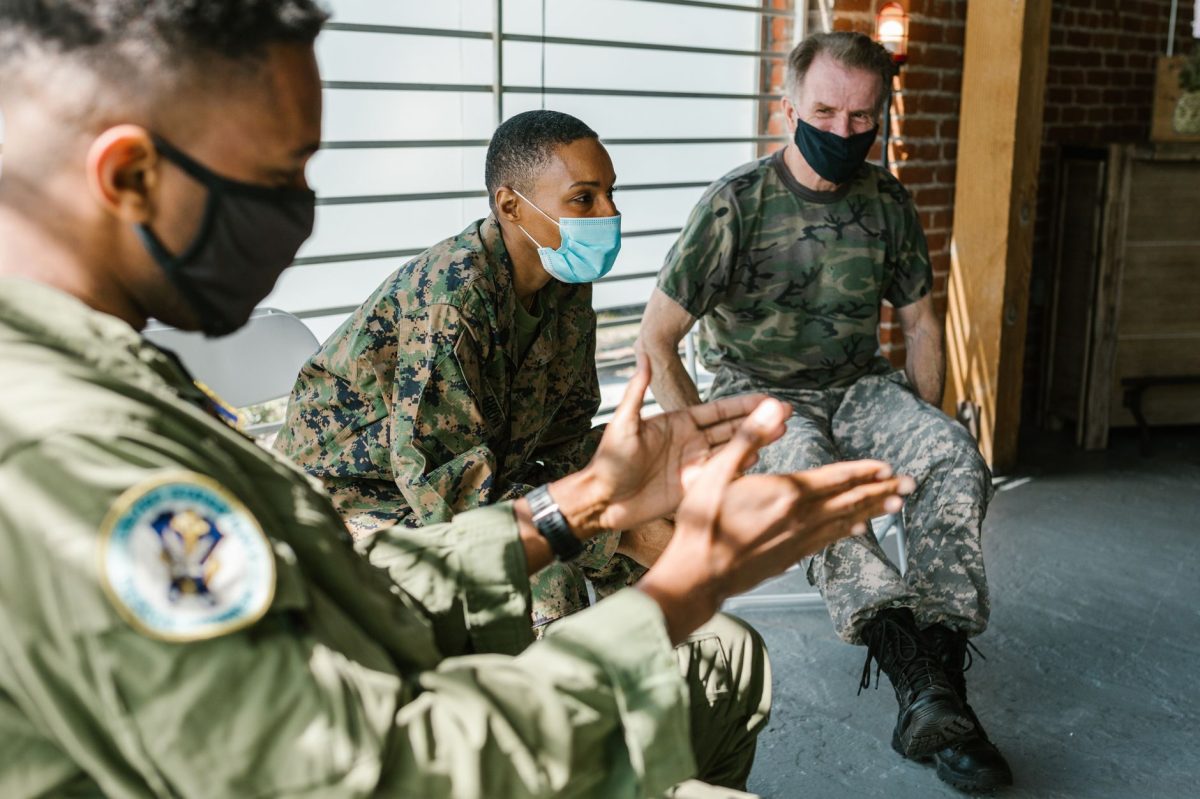
On Wednesday, July 15, US Secretary of Defense Pete Hegseth announced a new mandatory annual screening program to test testosterone levels for all military personnel aged 30 or older, including women, sparking concerns about the program's impact on military readiness, health, and equality.
What Happened
According to Hegseth, the new program aims to ensure that all military personnel meet the necessary standards for physical performance and combat readiness. Hegseth stated, 'This new initiative will help us identify and address any issues related to testosterone levels that may impact our troops' ability to perform their duties.' The program will involve annual blood tests to measure testosterone levels, with results to be evaluated by military medical personnel. The initiative is part of a broader effort to improve military readiness and address the growing concern about the physical and mental health of US military personnel. Hegseth emphasized that the program is voluntary, but all personnel aged 30 or older will be required to undergo the screening. The Department of Defense has allocated $10 million to support the implementation of the program.
Why It Matters
The announcement has sparked concerns about the potential impact on military readiness, health, and equality. Some experts argue that the program may create a culture of mistrust and stigma around testosterone levels, potentially leading to unnecessary anxiety and stress among military personnel. Others argue that the program may disproportionately affect women, who may face biased testing and treatment protocols. A study published in the Journal of Clinical Endocrinology and Metabolism in 2020 found that women accounted for 20% of all testosterone-related hospitalizations in the US. The program also raises questions about the Department of Defense's commitment to equality and fairness in its treatment of military personnel. The move has been met with criticism from some lawmakers, who argue that the program may be a distraction from more pressing issues affecting military readiness and health.


“This new initiative will help us identify and address any issues related to testosterone levels that may impact our troops' ability to perform their duties... It's a proactive approach to ensuring that our troops are healthy and ready to serve.”
What We Don't Know Yet
Despite the announcement, many questions remain about the program's implementation, impact, and effectiveness. The Department of Defense has not yet released details on the testing protocols, including the specific criteria for determining 'abnormal' testosterone levels. Additionally, there is a lack of clarity around the program's potential consequences for military personnel who test outside the normal range. The initiative has also raised concerns about the potential for biased testing and treatment protocols, particularly for women. Furthermore, there is a need for more research on the relationship between testosterone levels and military performance, as well as the potential impact on military readiness and health.
What to Watch
In the coming weeks and months, we can expect to see the implementation of the program, including the rollout of testing protocols and the evaluation of results. The Department of Defense is expected to release more information on the program's details and timelines in the next 24-72 hours. We will also see the response from lawmakers, experts, and the military community to the program. Additionally, we can expect to see the results of the testing, which will provide valuable insights into the impact of the program on military readiness, health, and equality.
Interestingly, a study found that women with higher testosterone levels tend to perform better in military training, challenging traditional notions about the role of testosterone in military performance.
The US military's decision to implement a mandatory annual screening program for testosterone levels has sparked concerns about military readiness, health, and equality. While the program aims to improve military performance and combat readiness, it also raises questions about the potential consequences for military personnel who test outside the normal range. As the program unfolds, it will be essential to closely monitor its impact and address any concerns that arise.