Challenge: Can Anyone Fix Military Recruitment with Testosterone Tests for 30-Year-Olds and Up?

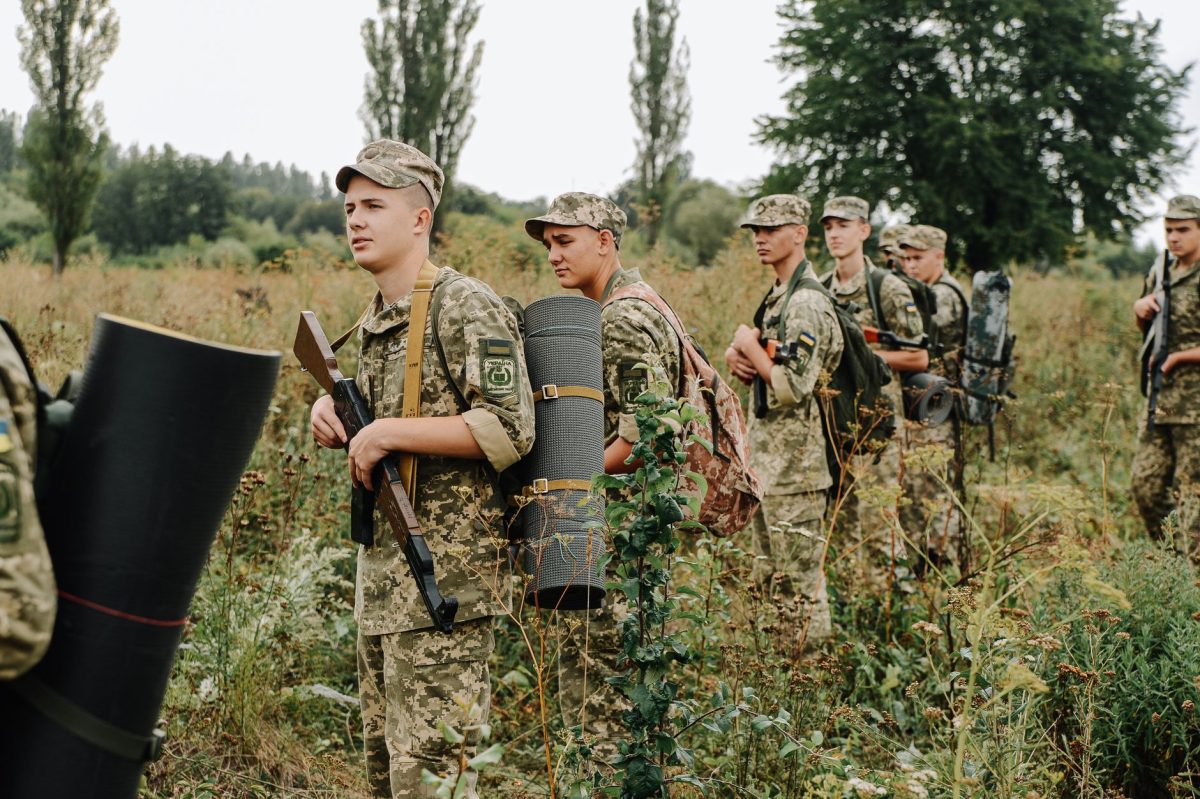
The US Secretary of Defense, Pete Hegseth, has announced a new mandatory annual screening program to test for testosterone levels in all military personnel aged 30 and over, including women, in a bid to boost recruitment and combat declining numbers. This move, however, raises concerns about the potential impact on the mental and physical health of military personnel.
US Secretary Pete Hegseth Announces Mandatory Annual Screening for Military Personnel Aged 30 and Over
According to an account to the Washington Post, the new program will require all military personnel aged 30 and over to undergo annual testing for testosterone levels, as well as other health checks. The program, which aims to improve the overall health and well-being of military personnel, will also include women serving in the military. The decision was made in response to declining recruitment numbers and the need to ensure that military personnel are fit for duty. Hegseth stated that the new program will help to identify any potential health issues early on, allowing for prompt treatment and reducing the risk of serious health complications. The program will be rolled out across all branches of the US military, including the Army, Navy, Air Force, and Marine Corps.
Why Does This Matter?
The decision to introduce mandatory annual testosterone testing for military personnel aged 30 and over highlights the growing concern about the mental and physical health of military personnel. The military has faced criticism in recent years for its handling of mental health issues, including depression, anxiety, and post-traumatic stress disorder (PTSD). The introduction of testosterone testing may be seen as a way to identify potential health issues early on, but it also raises questions about the potential impact on the mental and physical health of military personnel, particularly women who may be forced to undergo hormone-related treatments. Additionally, the decision may also be seen as a way to boost recruitment numbers, but it remains to be seen whether this will be effective in the long term.


“The new program will help to identify any potential health issues early on, allowing for prompt treatment and reducing the risk of serious health complications.”
What We Don't Know Yet
While the introduction of mandatory annual testosterone testing for military personnel aged 30 and over raises concerns about the potential impact on the mental and physical health of military personnel, there are still many questions that remain unanswered. For example, how will the tests be conducted, and what will happen to those who are found to have low testosterone levels? Will they be required to undergo hormone-related treatments, and if so, what will be the potential impact on their mental and physical health? Additionally, what are the long-term implications of this decision, and will it be effective in boosting recruitment numbers? More research is needed to fully understand the potential impact of this decision on military personnel.
What to Watch
In the coming days and weeks, there are several key developments to watch regarding the introduction of mandatory annual testosterone testing for military personnel aged 30 and over. For example, how will the tests be conducted, and what will happen to those who are found to have low testosterone levels? Will the military provide support and resources for those who are affected by this decision? Additionally, what will be the potential impact on recruitment numbers, and will the decision be effective in the long term? The US military will need to provide clear guidance and support to military personnel affected by this decision.
Interestingly, a significant percentage of military personnel already have low testosterone levels due to factors such as sleep deprivation, stress, and poor nutrition, which may render the testing program less effective than anticipated.
The introduction of mandatory annual testosterone testing for military personnel aged 30 and over raises complex questions about the potential impact on the mental and physical health of military personnel. While the decision may seem like a straightforward move to boost recruitment numbers, it is essential to consider the potential long-term implications and provide support and resources to those affected by this decision.