US Oil Companies Reap Billions in Windfall Profits Amid Iran War-Driven Price Hikes

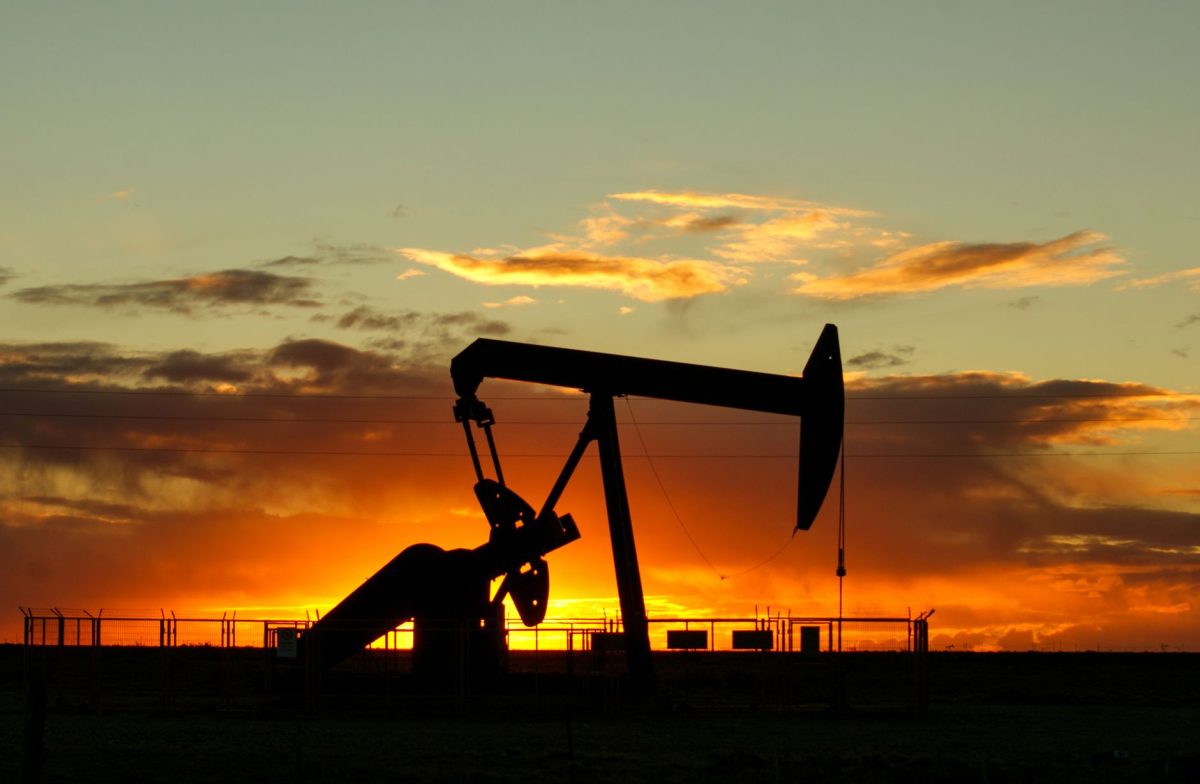
As oil prices soar due to the ongoing Iran war, US-based oil companies are reporting record-breaking profits, with some estimates suggesting a collective windfall of over $100 billion. This enormous gain has sparked heated debate in Congress, with lawmakers pushing for a tax on these excess profits to benefit struggling Americans.
Oil Companies Cash in on War-Driven Price Hikes
According to a report by the Institute on Taxation and Economic Policy (ITEP) cited by the Washington Post, major US oil companies such as ExxonMobil, Chevron, and ConocoPhillips have collectively raked in an estimated $100 billion in excess profits due to the surge in oil prices. These companies have seen their profits skyrocket since the Iran war began, with some reporting quarter-over-quarter increases of over 500%. ExxonMobil, for instance, reported a net income of $18.5 billion in the first quarter of this year, a significant jump from $4.4 billion in the same period last year. Account to ExxonMobil's CEO, Darren Woods, who stated in a recent earnings call that the company was 'benefiting from strong global demand and relatively stable supply' as a result of the Iran war. This windfall profit, however, has not translated into job creation or significant investments in renewable energy for these companies.
The Implications for Ordinary Americans
The proposed tax on oil companies' windfall profits is seen as a potential game-changer for lower-income households struggling with rising energy costs. By redirecting some of these excess profits towards energy assistance programs and tax credits for low-income families, lawmakers hope to alleviate the burden of high energy prices on vulnerable households. According to a study by the Economic Policy Institute (EPI), a tax on oil companies' windfall profits could generate an estimated $50 billion in revenue annually, which could be used to fund energy assistance programs, create jobs, and stimulate local economies. Furthermore, experts argue that such a tax would help level the playing field by encouraging oil companies to invest more in renewable energy and reduce their reliance on fossil fuels. This, in turn, could pave the way for a more sustainable energy future and mitigate the impacts of climate change.


“'We need to make sure that these oil companies are paying their fair share of taxes, and that the benefits of their windfall profits are shared with the American people.' - Senator Bernie Sanders (I-VT)”
What We Don't Know Yet
While lawmakers push for a tax on oil companies' windfall profits, several questions remain unanswered. For instance, how would the tax be structured, and what would be the threshold for determining which profits are subject to taxation? Additionally, how would the revenue generated from the tax be allocated, and what safeguards would be put in place to ensure that it reaches the intended recipients? Furthermore, what are the potential unintended consequences of such a tax, and how might it impact the energy market and the global economy? The lack of transparency and communication from oil companies and policymakers on these issues has left many Americans feeling uncertain and skeptical.
What to Watch
In the coming weeks and months, lawmakers will continue to debate and refine the proposed tax on oil companies' windfall profits. Key individuals and groups to watch include Senator Bernie Sanders, who has been a leading advocate for the tax, and oil company executives, who will likely resist any attempts to increase their tax burden. Additionally, the US Chamber of Commerce and other industry groups may weigh in on the proposal, potentially influencing the outcome. A crucial vote on the tax is expected to take place in the Senate in the next 6-8 weeks.
Despite their significant profits, oil companies have historically received more subsidies from the US government than they have paid in taxes, with some estimates suggesting that the industry receives over $20 billion in subsidies annually.
As the debate over the proposed tax on oil companies' windfall profits continues, one thing is clear: the stakes are high, and the outcome will have significant implications for ordinary Americans. By providing a more nuanced understanding of this issue, we can work towards a more sustainable and equitable energy future for all.