How To Stay Safe During Natural Disasters in 2026
Follow these essential steps to protect yourself and your loved ones from landslides, floods, and more

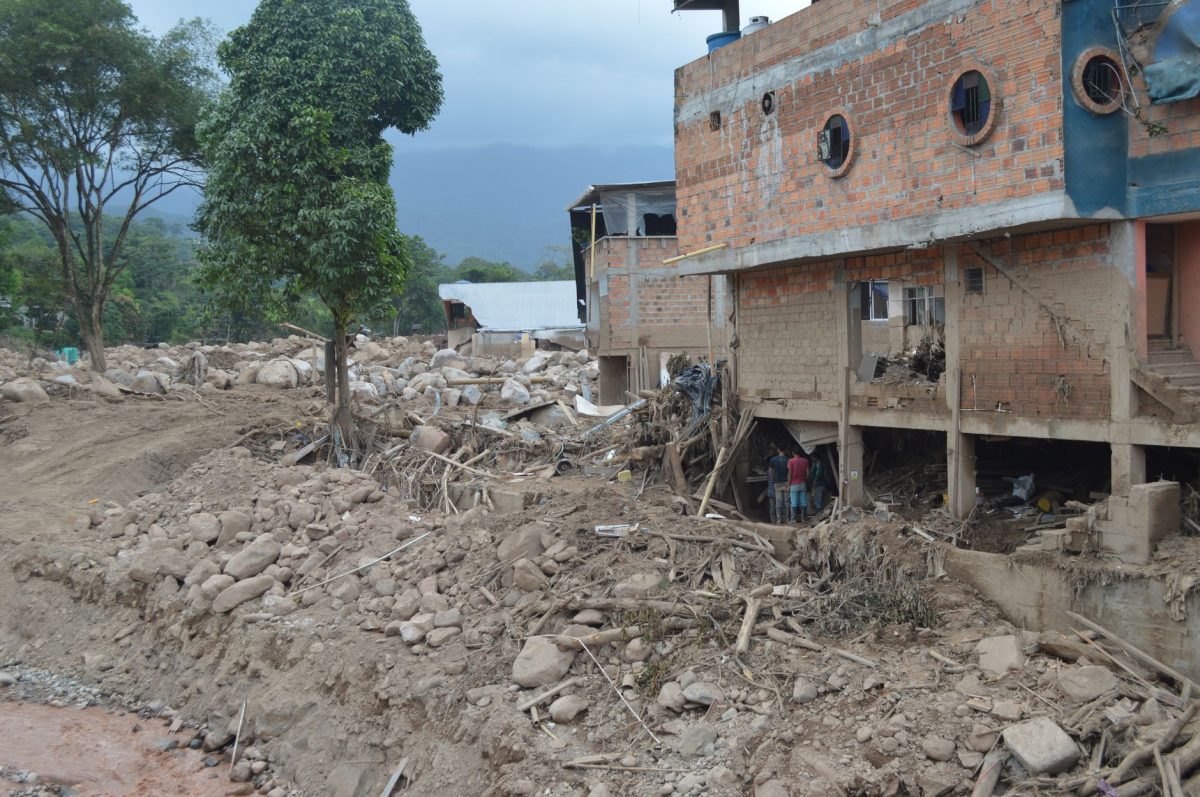
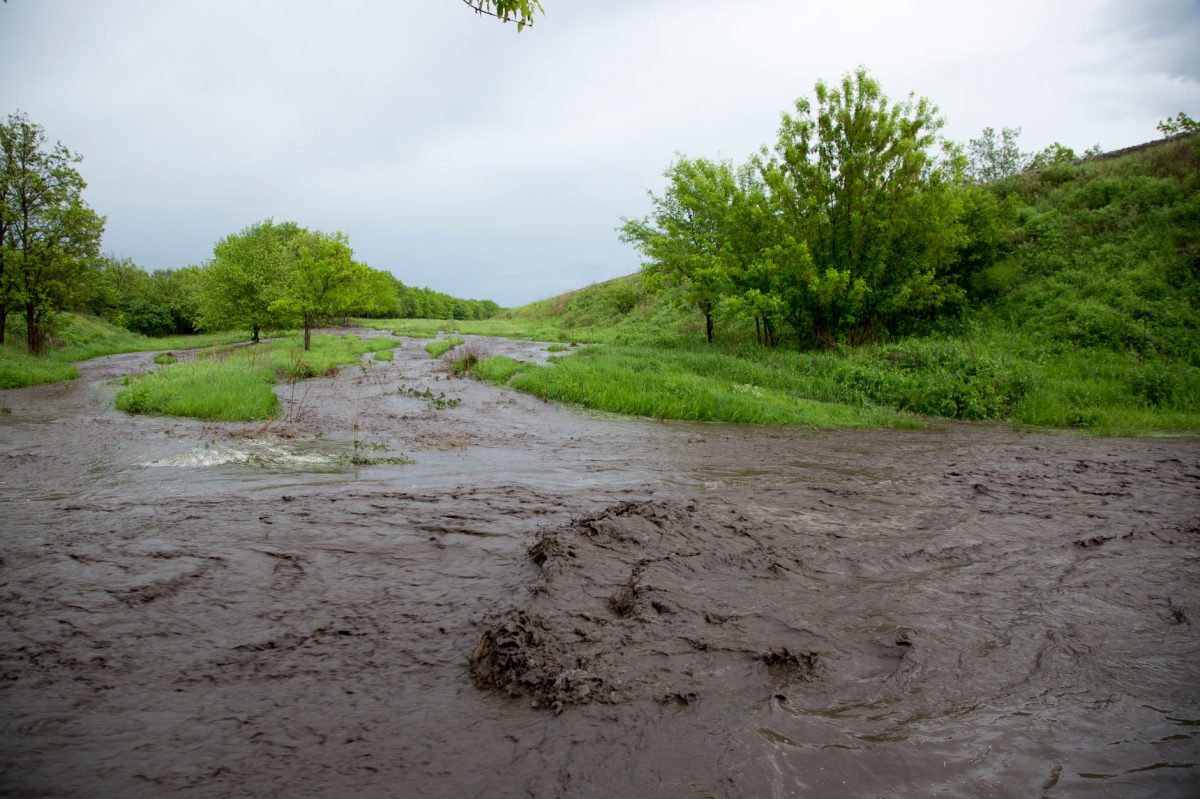
Natural disasters can strike at any moment, leaving devastation and loss in their wake. Staying safe during these events requires preparation, awareness, and quick thinking. In this guide, we'll show you how to protect yourself and your loved ones from landslides, floods, and other disasters.
Step 1: **Create a Family Emergency Plan**
Develop a personalized emergency plan with your family, including a communication strategy, evacuation routes, and a meeting point in case you get separated. Identify potential hazards in your area, such as landslides, floods, or wildfires, and know the best course of action to take. Use online tools like the American Red Cross's Emergency App or the Federal Emergency Management Agency's (FEMA) Plan Ahead for Emergency Situations to guide you.
Step 2: **Build a Disaster Supply Kit**
Gather essential items like non-perishable food, water, a first aid kit, and a battery-powered radio. Make sure to include a whistle, a flashlight, and a warm blanket in case you need to evacuate. Aim for a 3-day supply of essentials, and update your kit every 6 months to ensure it remains relevant.
Step 3: **Stay Informed with Emergency Alerts**
Sign up for emergency alerts from your local government or weather service to stay informed about potential disasters. Use apps like Emergency Alert or Weather Underground to receive timely notifications and updates. Keep your phone charged and with you at all times to ensure you can receive alerts and make emergency calls.
Step 4: **Practice Regular Safety Drills**
Regularly practice evacuation drills with your family, including walking through potential escape routes and identifying safe zones. Use online resources like the American Red Cross's Safety Drills and Practice to guide you. Make sure everyone in your household knows what to do in case of an emergency, and practice drills at least twice a year.
Step 5: **Stay Safe During the Disaster**
If you're in the midst of a natural disaster, stay calm and follow your emergency plan. If you're indoors, move to an interior room or hallway on the lowest floor, away from windows and doors. If you're outdoors, move to higher ground or a safe location, such as a designated shelter or a friend's home.
Don't wait until the last minute to prepare for a disaster. Take proactive steps to stay safe, and make sure your loved ones are aware of the risks and the plan of action.
By following these essential steps, you'll be better equipped to handle a natural disaster and protect your loved ones. Remember to stay informed, practice regular safety drills, and stay safe during the disaster. With this guide, you'll be one step closer to disaster preparedness and resilience.