How To Prepare for a Natural Disaster Without Breaking the Bank
A 5-Step Guide to Emergency Preparedness on a Budget
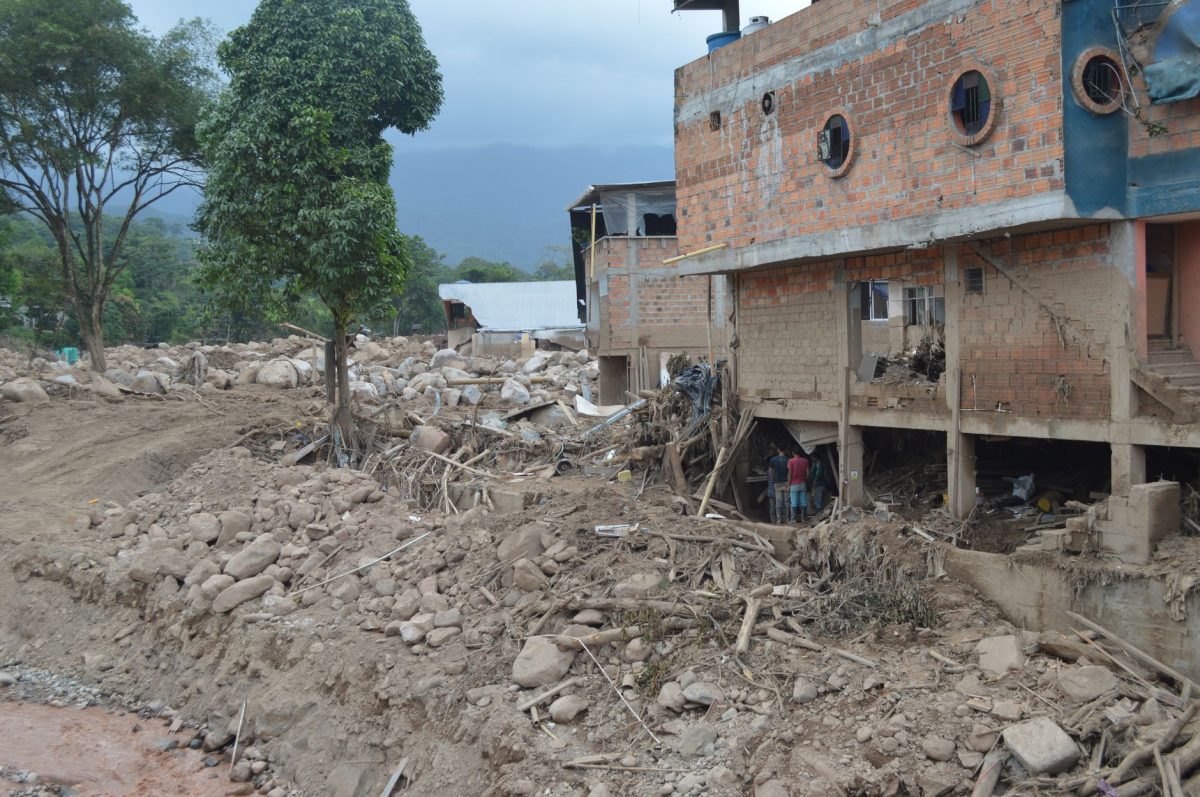
Are you worried about being financially prepared for a natural disaster? With the increasing frequency of earthquakes, hurricanes, and wildfires, it's essential to have a plan in place. In this guide, we'll show you how to create a disaster relief kit on a budget and prioritize your emergency savings.
Step 1: **Assess Your Risks** and Create a Budget
Start by identifying the natural disasters that affect your area and assessing your risks. Make a list of essential items you need to include in your disaster relief kit, such as non-perishable food, water, and first aid supplies. Allocate a budget for emergency preparedness and prioritize your spending. Consider using the 50/30/20 rule: 50% for essential expenses, 30% for discretionary spending, and 20% for saving and debt repayment.
Step 2: Build an Emergency Fund
Aim to save 3-6 months' worth of living expenses in an easily accessible savings account. Consider using a high-yield savings account or a budgeting app like Mint or Personal Capital to track your expenses and stay on top of your savings. Automate your savings by setting up automatic transfers from your checking account to your emergency fund.
Step 3: Create a Disaster Relief Kit
Gather essential items such as non-perishable food, water, first aid supplies, and a battery-powered radio. Consider purchasing a pre-assembled disaster relief kit or building your own using affordable alternatives like Amazon's Disaster Relief Kit. Don't forget to include important documents like insurance policies, identification, and birth certificates in your kit.
Step 4: Stay Informed and Plan for Communication
Stay up-to-date with the latest weather forecasts and emergency alerts using a weather app like Dark Sky or Weather Underground. Consider purchasing a two-way radio or a portable charger for your phone to stay connected during power outages. Make sure to include a plan for communication with family members in case you get separated during a disaster.
Step 5: Review and Update Your Plan
Regularly review and update your emergency plan to ensure it's comprehensive and tailored to your needs. Consider conducting a home safety assessment to identify potential hazards and take steps to mitigate them. Update your emergency fund and disaster relief kit as needed to ensure you're prepared for any situation that may arise.
Don't overlook the emotional impact of a natural disaster on your mental health. Consider including stress-reducing items like a first aid kit, a yoga mat, or a calming essential oil in your disaster relief kit.
By following these 5 steps, you'll be well-prepared for a natural disaster without breaking the bank. Remember to regularly review and update your plan to ensure you're always ready for whatever comes next. Start building your emergency fund and disaster relief kit today and breathe a little easier knowing you're prepared for anything.