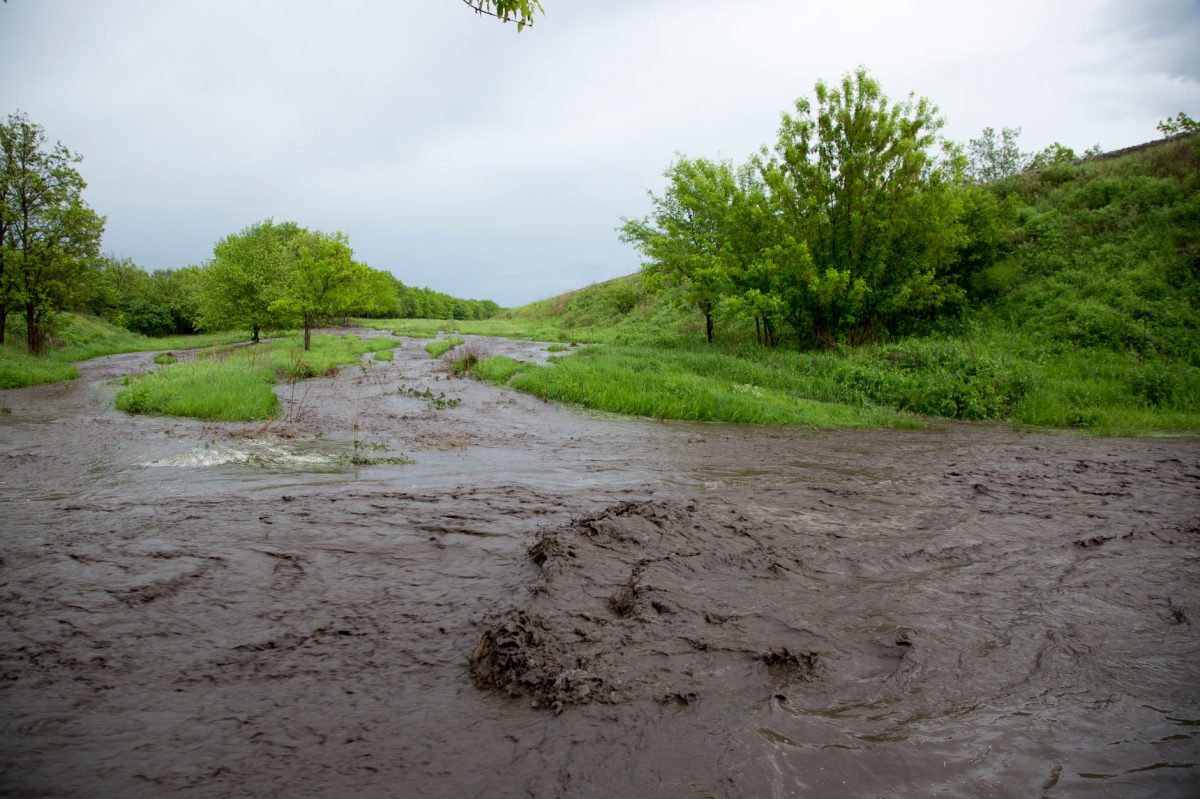
Colombia Rejects Foreign Rescue Teams, Seeks Supplies After Devastating Earthquake

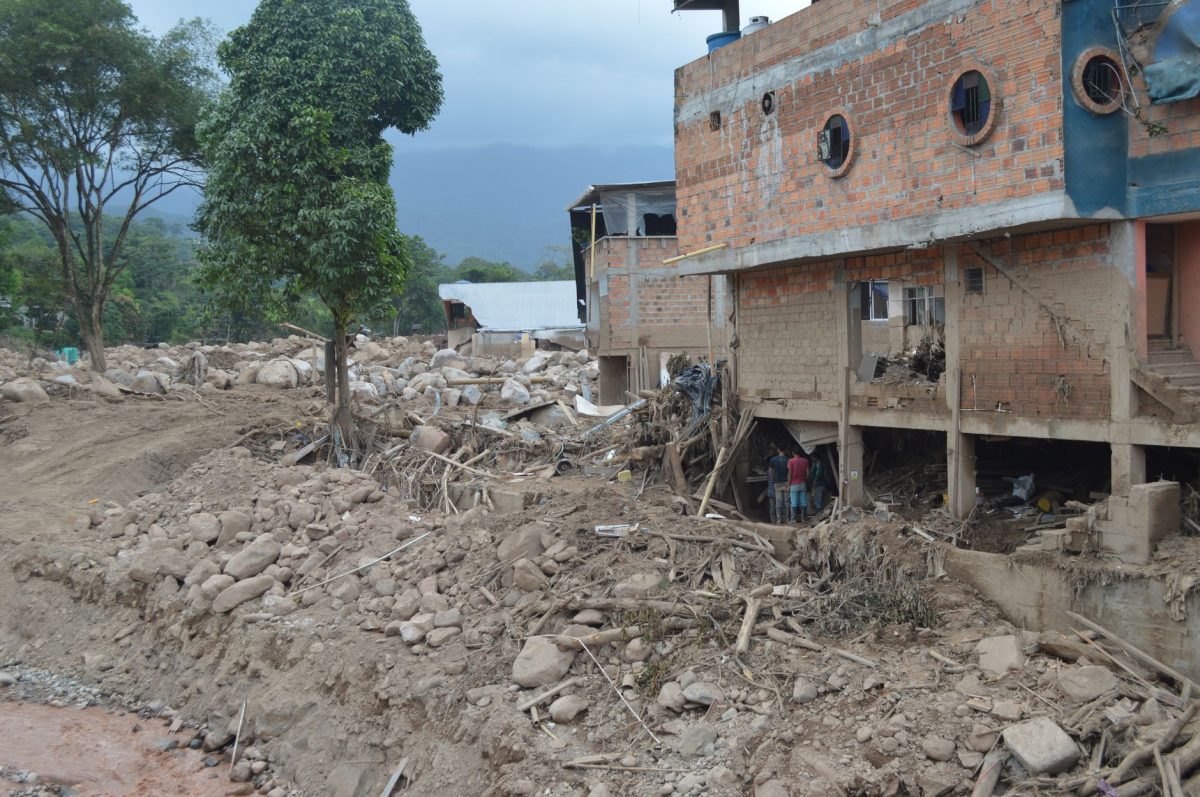
Colombia's government has made a surprising decision in the aftermath of Monday's magnitude 7.4 earthquake: rejecting foreign rescue teams despite offers of assistance from several countries. This move is significant, as it highlights the country's determination to handle the disaster response on its own terms. The decision also raises questions about the effectiveness of foreign aid and the capacity of local emergency services to cope with the crisis.
Colombia Hit by Magnitude 7.4 Earthquake
The earthquake, which struck on Monday, has left a trail of destruction in its wake, with reports of collapsed buildings, power outages, and injuries. According to the Colombian National Institute of Seismology and Volcanology (INGEOMINAS), the quake's epicenter was located in the department of Caldas, approximately 70 kilometers west of the city of Pereira. The agency reported that the earthquake had a maximum intensity of VIII on the Mercalli scale, making it one of the most powerful to hit the country in recent years. The Colombian government has confirmed that over 30 people have been killed and hundreds more injured in the disaster. 'The situation is under control,' said President Gustavo Petro in a televised address. 'We have deployed our emergency services and are working to evacuate those affected.' The Colombian military has also been deployed to assist in the relief efforts, with troops and equipment being sent to affected areas. According to a report by the Colombian newspaper, El Tiempo, the government has accepted donations of emergency supplies, including food, water, and medical equipment, from several countries, including the United States, Spain, and Mexico. However, the government has declined offers of foreign rescue teams, citing its own capabilities and resources.
Why Colombia's Decision Matters
Colombia's decision to reject foreign rescue teams is significant for several reasons. Firstly, it highlights the country's determination to handle the disaster response on its own terms, without relying on external assistance. This approach is in line with the government's efforts to reduce its dependence on foreign aid and to promote self-sufficiency in disaster response. Secondly, the decision raises questions about the effectiveness of foreign aid in disaster situations. While foreign rescue teams can provide critical assistance in the immediate aftermath of a disaster, they can also create logistical challenges and cultural barriers that can hinder the local response. In the case of Colombia, the government may be concerned that foreign rescue teams could undermine its own response efforts and create dependency on external assistance. Finally, the decision highlights the importance of local emergency services in disaster response. Colombia's emergency services have been praised for their quick response and effective coordination in the aftermath of the earthquake. The government's decision to rely on its own resources and capabilities is a testament to the country's investment in its emergency services and its commitment to disaster preparedness.
“The situation is under control. We have deployed our emergency services and are working to evacuate those affected.”
What We Don't Know Yet
Despite the government's efforts to respond to the disaster, there are still many unanswered questions. One of the main concerns is the extent of the damage caused by the earthquake. While the government has confirmed that over 30 people have been killed and hundreds more injured, it is unclear what the full extent of the damage is. The Colombian National Institute of Statistics (DANE) has reported that over 10,000 buildings have been damaged or destroyed in the disaster, but it is unclear what the financial cost of the damage will be. Another concern is the impact of the earthquake on the local economy. The disaster has already caused significant disruption to trade and commerce in the affected areas, and it is unclear what the long-term effects will be. Furthermore, there are also concerns about the potential for further earthquakes in the region. The Colombian National Institute of Seismology and Volcanology (INGEOMINAS) has reported that the earthquake was a result of tectonic activity in the region, and it is unclear what the likelihood is of further earthquakes in the coming days and weeks.
Key Takeaways
- Colombia's government has rejected foreign rescue teams despite offers of assistance from several countries.
- The country has accepted donations of emergency supplies, including food, water, and medical equipment.
- The government's decision to handle the disaster response on its own has raised questions about its capacity to respond to the disaster.
What to Watch
In the coming days and weeks, several key issues will be closely watched. One of the main concerns is the distribution of aid and assistance to those affected by the disaster. The government has accepted donations of emergency supplies, including food, water, and medical equipment, but it is unclear how these supplies will be distributed and to whom. Another key issue is the impact of the earthquake on the local economy. The disaster has already caused significant disruption to trade and commerce in the affected areas, and it is unclear what the long-term effects will be. Finally, the government's response to the disaster will also be closely watched. The government's decision to reject foreign rescue teams has raised questions about its capacity to respond to the disaster, and it is unclear what the outcome of this decision will be.
Interestingly, Colombia is located in the Pacific Ring of Fire, yet it is one of the least seismically active countries in South America, with most of its earthquakes occurring at a depth of over 70 km.
The Colombian government's decision to reject foreign rescue teams and handle the disaster response on its own is a complex and multifaceted issue. While the government's determination to respond to the disaster in its own way is admirable, it also raises questions about the effectiveness of foreign aid and the capacity of local emergency services to cope with the crisis. As the situation continues to unfold, it will be essential for the government to provide clear and transparent information about its response efforts and to coordinate with international partners to ensure that the needs of those affected are met.