How To Prepare For Severe Weather Emergencies In 7 Steps
Stay Safe and Informed During Natural Disasters with this Essential Guide for 2026
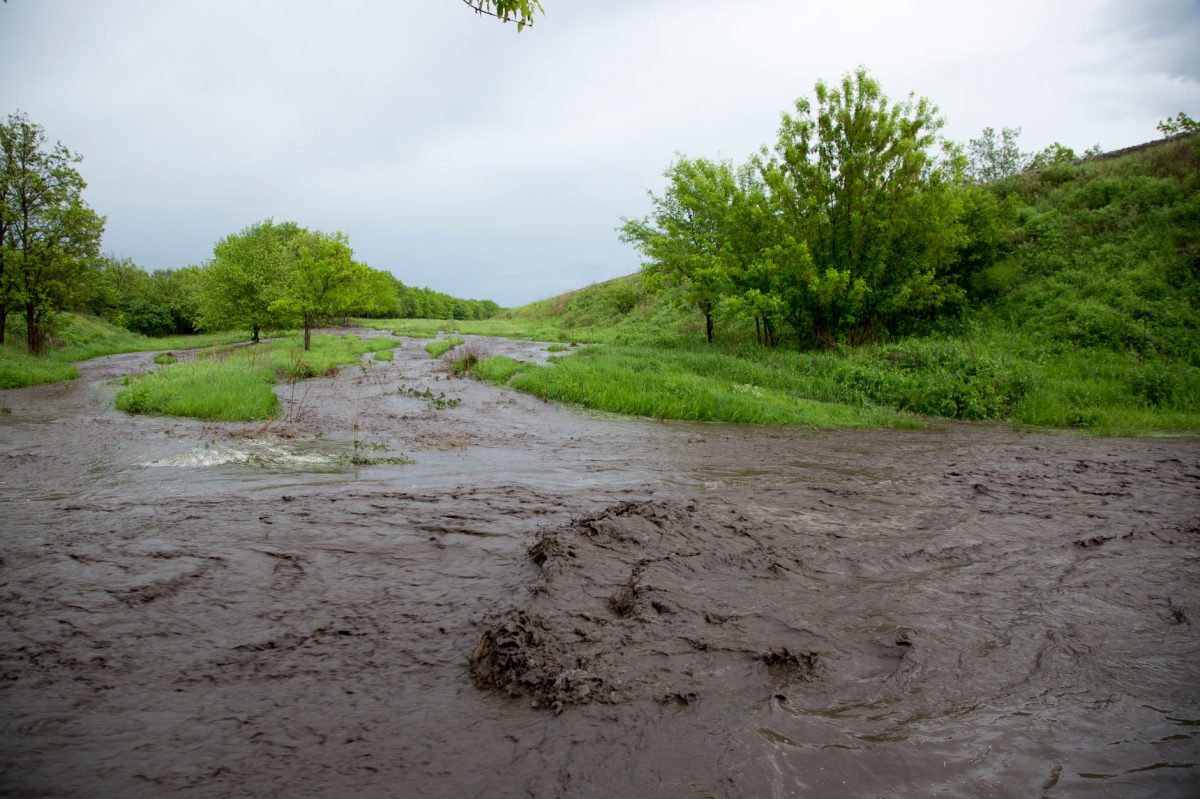
Severe weather emergencies can strike at any moment, causing devastating consequences. As the weather becomes increasingly unpredictable, it's essential to be prepared. In this guide, we'll walk you through the best way to prepare for severe weather emergencies and stay safe during natural disasters.
Step 1: **Create a Family Emergency Plan**
Assemble your family and discuss a plan for severe weather emergencies, including evacuation routes, emergency contact numbers, and a designated meeting spot. Make sure everyone knows the plan and can communicate effectively. You can use the Federal Emergency Management Agency's (FEMA) emergency plan template to get started.
Set aside 30 minutes to discuss and finalize the plan with your family.
Review the plan annually and update it as necessary.
Consider registering for emergency alerts from your local government or weather service to receive timely updates during severe weather events.
Step 2: **Build an Emergency Kit**
Gather essential items such as non-perishable food, water, first aid supplies, flashlights, batteries, and a battery-powered radio. Make sure to include essential medications, important documents, and cash in small denominations.
Review the American Red Cross's emergency kit checklist for a comprehensive list of items.
Store the kit in an easily accessible location, such as a closet or under a bed.
Check the kit every 6 months to ensure all items are still usable and not expired.
Step 3: **Stay Informed with Severe Weather Forecasts**
Use the National Weather Service's (NWS) website or mobile app to stay up-to-date on severe weather forecasts and warnings. Consider setting up weather alerts on your phone or computer to receive timely notifications.
Monitor local news and weather reports for updates on severe weather events.
Use online tools such as AccuWeather or Dark Sky to track severe weather conditions.
Have a backup plan in place in case of power outages or internet disruptions.
Step 4: **Protect Your Home from Severe Weather**
Secure outdoor furniture, decorations, and other items that could become projectiles during strong winds. Trim trees and shrubs to minimize branches that could damage your home.
Consider installing storm shutters or impact-resistant windows to protect your home from wind-borne debris.
Have a plan in place for power outages, including investing in a portable generator or installing solar panels.
Step 5: **Prepare for Power Outages**
Have a backup power source, such as a portable generator or batteries, to keep essential appliances running. Consider purchasing a portable power bank to charge your phone or other devices.
Keep flashlights, batteries, and candles on hand in case of power outages.
Have a plan in place for cooking and heating food during extended power outages.
Step 6: **Stay Safe During a Severe Weather Event**
Stay indoors during severe weather events and avoid travel unless absolutely necessary. Keep a safe distance from windows, doors, and exterior walls.
Follow evacuation orders from local authorities and take necessary precautions when traveling.
Stay informed through local news and weather reports.
Step 7: **Review and Update Your Plan**
Review your emergency plan annually and update it as necessary. Practice the plan with your family to ensure everyone knows what to do during a severe weather event.
Conduct a home safety inspection to identify potential hazards and take corrective action.
Stay informed about severe weather risks in your area and adjust your plan accordingly.
Consider investing in a weather radio or emergency alert system to receive critical updates and alerts during severe weather events.
By following these 7 steps, you'll be well-prepared to face severe weather emergencies and stay safe during natural disasters. Remember to review and update your plan regularly to ensure you're always ready for anything.
Take the first step today and create a comprehensive emergency plan for your family.
Stay informed and stay safe!