How To Stay Safe During A Heatwave: The 5 Tips
Prevent heat-related illnesses and protect your home from wildfires with these essential steps
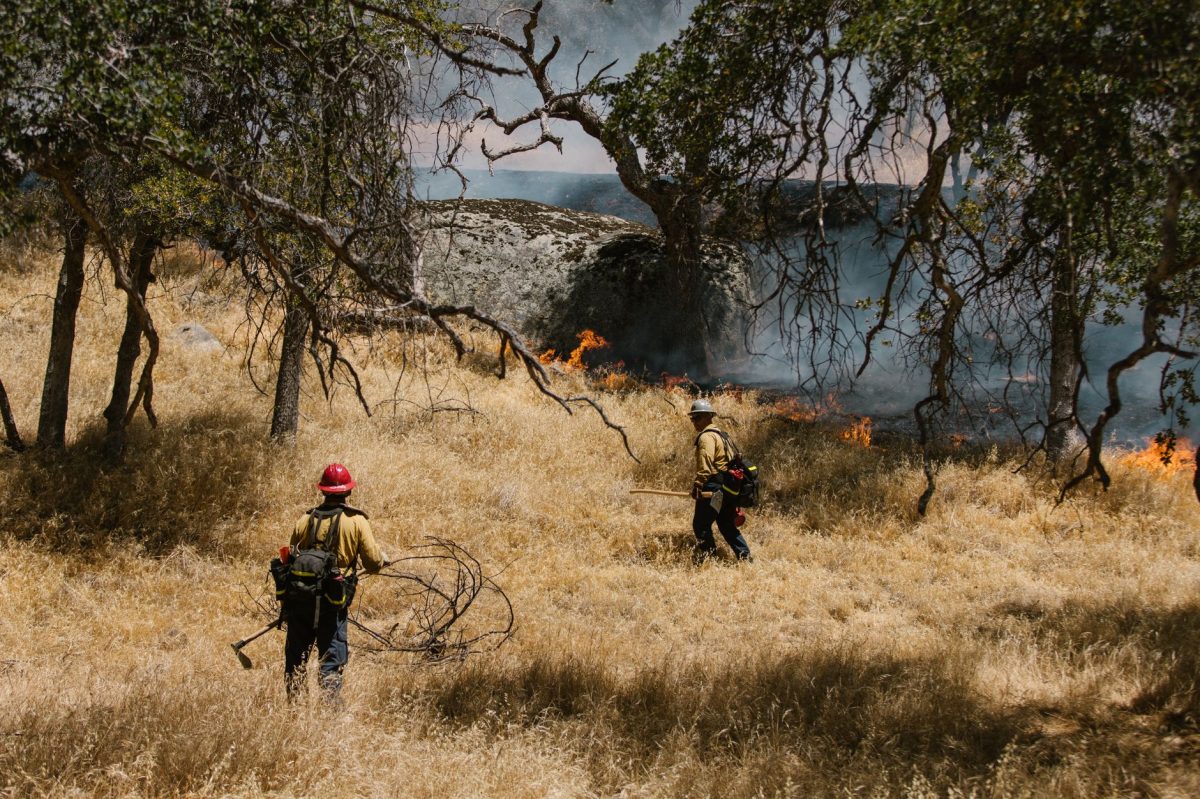
With heatwaves becoming increasingly common, it's essential to know how to stay safe and protect yourself and your loved ones. In this guide, we'll walk you through the best ways to prevent heat-related illnesses and protect your home from wildfires. By following these 5 simple steps, you'll be better prepared to handle the dangers of a heatwave.
Step 1: **Stay Hydrated** and Monitor Your Body Temperature
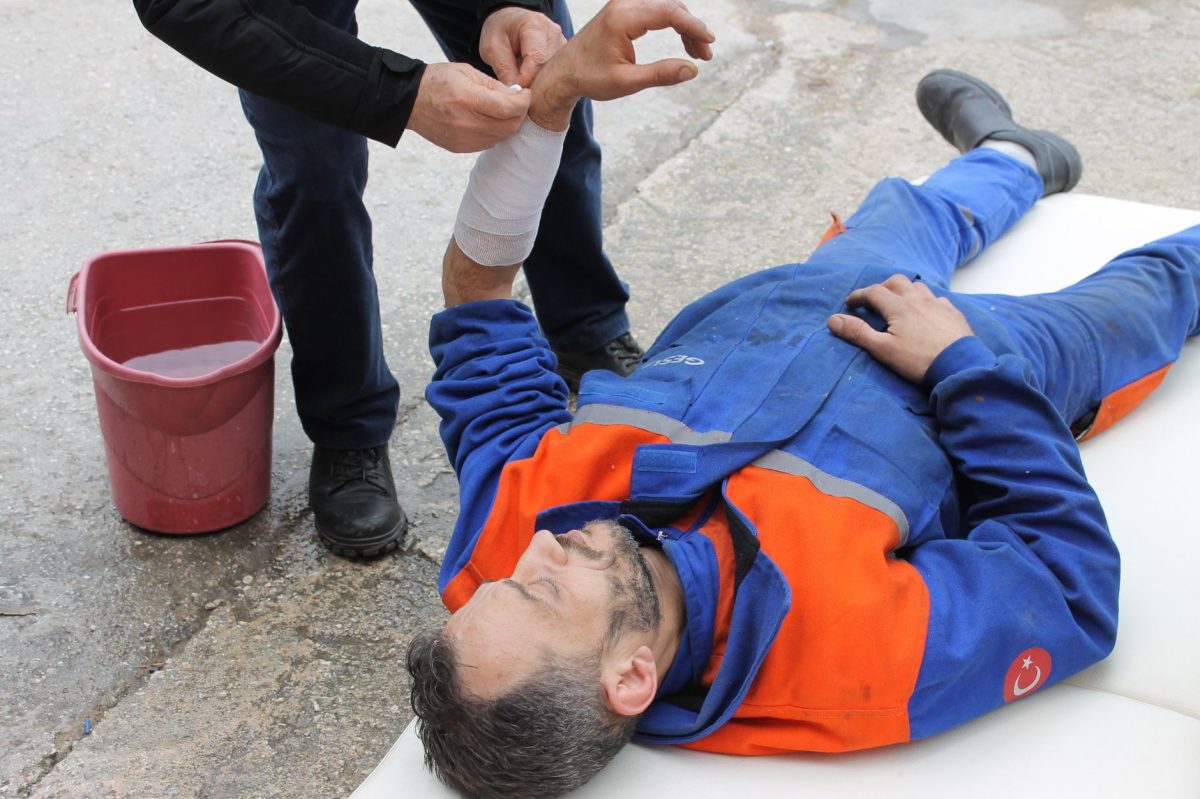
Drink at least 8-10 glasses of water per day, and take regular breaks in cool, shaded areas. You can also use a temperature gun to check your body temperature, which should not exceed 101.5°F (38.6°C). If you're experiencing symptoms of heat exhaustion, such as dizziness or nausea, seek medical attention immediately.
Step 2: **Create a Defensible Space** Around Your Home
Clear flammable materials, such as dead leaves or branches, from a 30-foot radius around your home. You can also use fire-resistant mulch or plants to create a firebreak. This will help prevent wildfires from spreading to your home.
Step 3: **Sign Up for Emergency Alerts** and Stay Informed
Register for emergency alerts from your local government or weather service to stay informed about heatwave and wildfire conditions. You can also download apps like Emergency Alert or Weather Underground to receive timely updates and warnings.
Step 4: **Prepare an Emergency Kit** and Evacuation Plan
Assemble a kit with essential items, such as water, non-perishable food, and a first aid kit. You should also have a plan in place for evacuating your home in case of a wildfire. Identify the safest evacuation routes and designate a meeting spot for your family.
Step 5: **Check Your Home's Vulnerability** to Wildfires
Conduct a risk assessment of your home's vulnerability to wildfires, considering factors such as proximity to wildland-urban interfaces and fuel loads. Take steps to mitigate these risks, such as installing fire-resistant roofing or using fire-resistant materials for outdoor furniture and decorations.
Don't wait until the last minute to prepare – take proactive steps to stay safe during a heatwave and protect your home from wildfires. This includes creating a defensible space, staying informed, and having an emergency kit and evacuation plan in place.
By following these 5 simple steps, you'll be better prepared to handle the dangers of a heatwave and protect yourself and your loved ones. Remember to stay vigilant and take proactive steps to prevent heat-related illnesses and wildfires. Stay safe and informed, and always be prepared for the worst.