5 Ways To Prepare For Natural Disasters Like Earthquakes
A step-by-step guide to ensure your safety and security during natural calamities
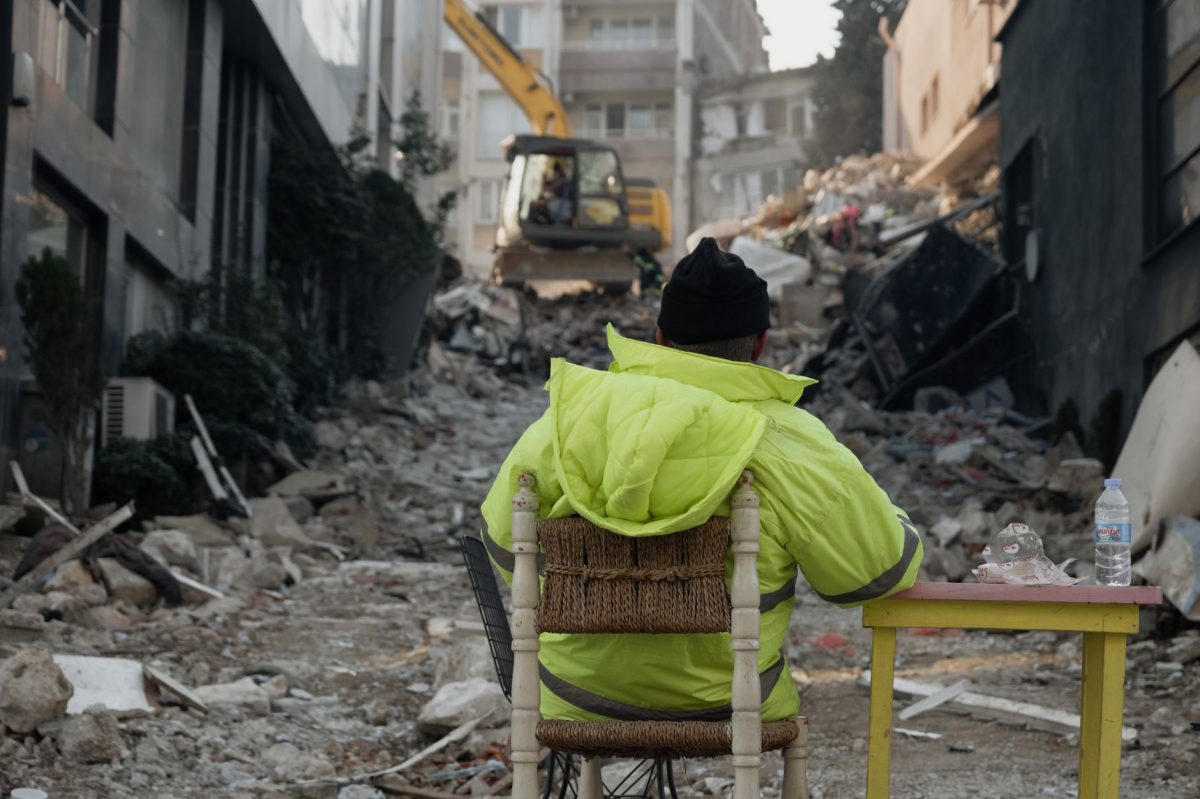
Natural disasters like earthquakes can strike without warning, leaving a trail of destruction and loss of life. As the recent Japan earthquake has shown, it's crucial to be prepared and know how to respond during such emergencies. In this guide, we'll walk you through 5 easy steps to prepare for natural disasters like earthquakes and keep yourself and your loved ones safe.
Step 1: **Create An Emergency Response Plan**
Develop a comprehensive emergency response plan that includes evacuation routes, meeting points, and contact information. Make sure all family members are aware of the plan and its importance. You can use apps like Life360 or Everbridge to facilitate communication and stay connected during emergencies. Take 30 minutes to create a digital copy of your plan and share it with your emergency contacts.
Step 2: **Stock An Emergency Kit**
Assemble a disaster supply kit that includes essential items like non-perishable food, water, first aid supplies, and a battery-powered radio. Aim to stock at least 3 days' worth of supplies and check them regularly to ensure their freshness and expiration dates. You can purchase pre-assembled kits or create your own using items from your local store. Allocate 1 hour to complete this task.
Step 3: **Secure Your Home**
Check your home for potential hazards like heavy furniture, mirrors, and glass doors. Anchor your heavy furniture to walls using anti-tip brackets or straps, and consider installing a gas shut-off valve to prevent gas leaks. Make sure your emergency kit is easily accessible and visible in a designated area. Allocate 45 minutes to secure your home and its contents.
Step 4: **Stay Informed**
Stay up-to-date with weather forecasts and emergency alerts using tools like the National Weather Service (NWS) app or websites like AccuWeather. Set up emergency alerts on your phone to receive timely notifications during natural disasters. You can also use social media to stay informed about local conditions and official advisories. Allocate 20 minutes to set up your emergency alerts and weather monitoring system.
Step 5: **Practice And Review**
Regularly practice your emergency response plan with your family, including evacuation drills and communication exercises. Review and update your plan every 6 months to ensure it remains relevant and effective. Take 30 minutes to practice your emergency drill and review your plan with your loved ones.
Don't forget to **consider the needs of pets and vulnerable individuals** in your emergency response plan, including their medical requirements and evacuation needs.
By following these 5 steps, you'll be well-prepared to face natural disasters like earthquakes and keep yourself and your loved ones safe. Remember to review and update your emergency response plan regularly to ensure its effectiveness. Take the next step by sharing this guide with your friends and family to help them prepare for natural disasters.