How To Stay Safe During Natural Disasters: The 7 Essential Tips
Protect yourself and your loved ones from the devastating effects of earthquakes, hurricanes, and more.
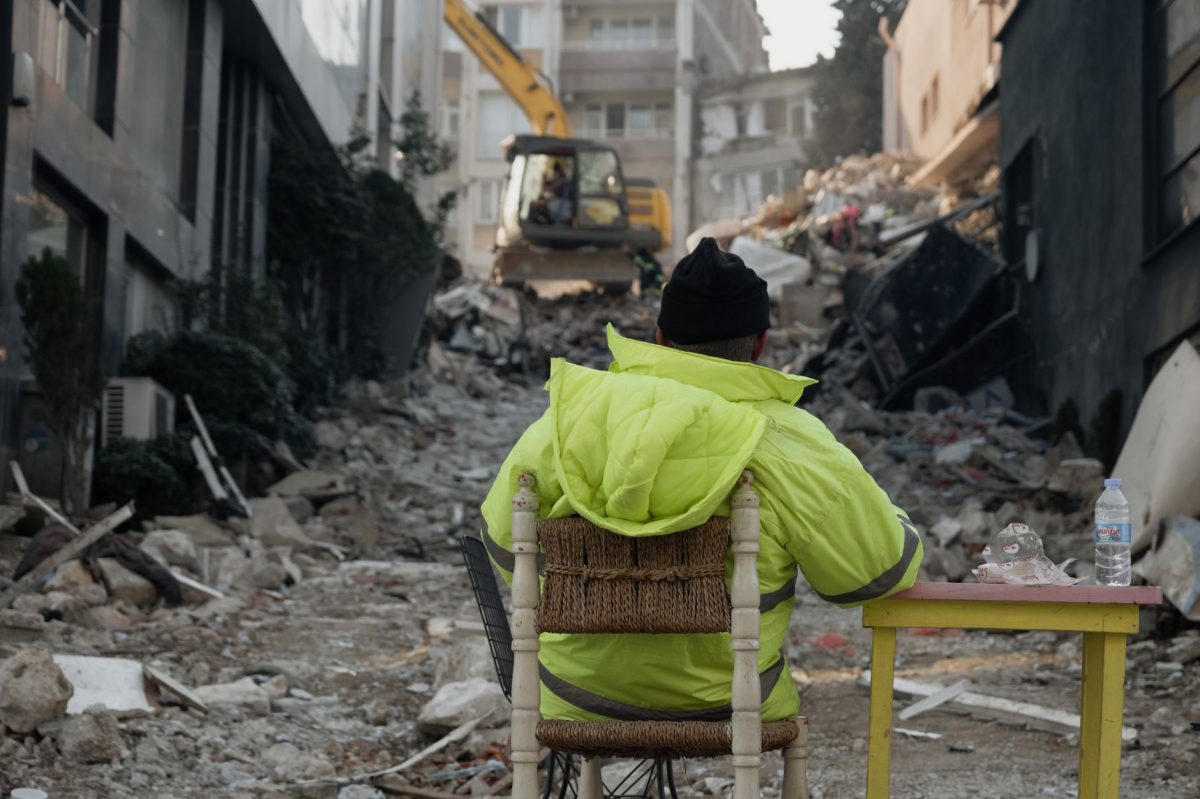
Natural disasters can strike at any moment, leaving destruction and chaos in their wake. It's essential to be prepared and know how to stay safe during these events. In this guide, we'll walk you through the 7 essential tips to help you and your loved ones survive and thrive in the face of disaster.
Step 1: **Create a Disaster Plan**
Develop a comprehensive emergency plan with your family, including evacuation routes, meeting points, and a communication plan. Identify potential hazards, such as flood zones or earthquake-prone areas. Make sure all family members know what to do in case of an emergency and have a meeting point outside the home. You can use online resources like the Federal Emergency Management Agency (FEMA) website to create a personalized plan. Spend 30 minutes discussing and finalizing your plan with your family.
Step 2: **Stock an Emergency Kit**
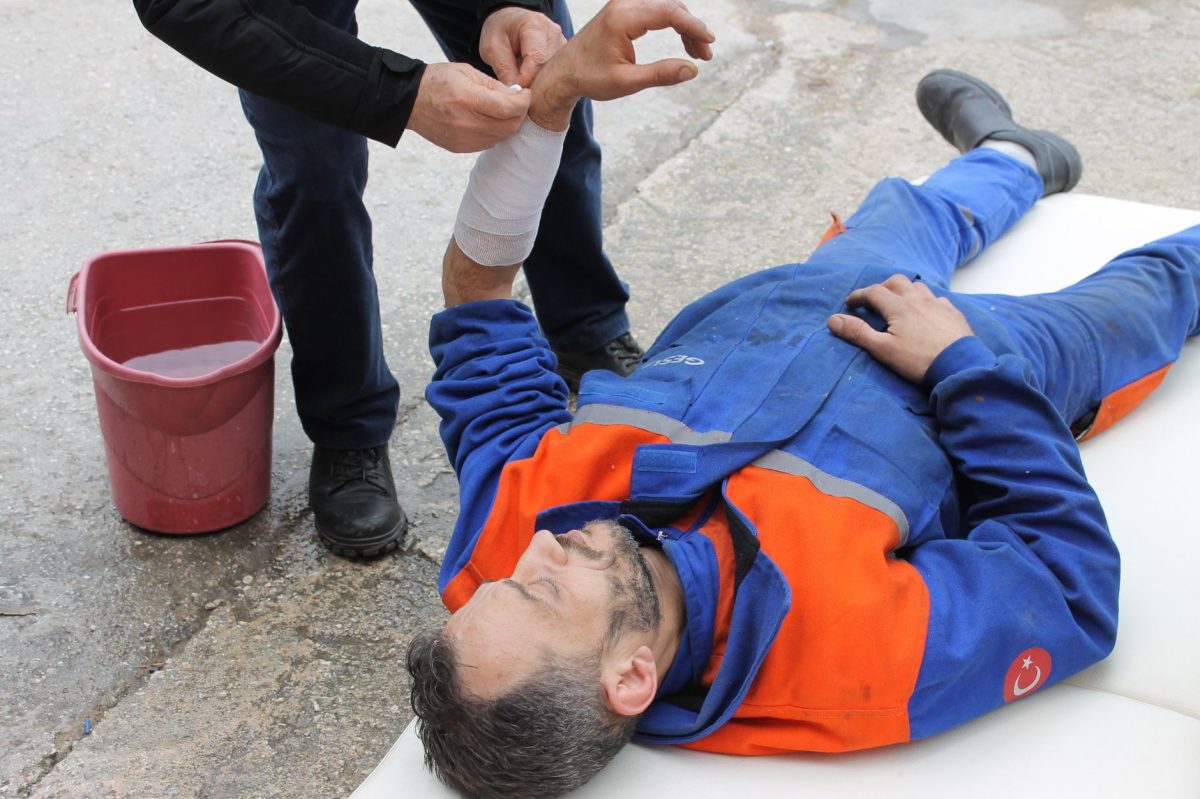
Assemble a disaster supply kit with essentials like non-perishable food, water, first aid supplies, and a battery-powered radio. Aim for at least 3 days' worth of supplies for each family member. Don't forget important documents, such as insurance policies, identification, and medical records. Visit the Red Cross website for a comprehensive checklist and tips on creating a portable emergency kit. Spend 2 hours gathering and organizing your supplies.
Step 3: **Secure Your Home**
Strengthen your home's foundation and roof to withstand high winds and earthquakes. Install storm shutters, secure heavy furniture and appliances, and clear your yard of debris. Consider hiring a professional to inspect and retrofit your home. Use online resources like the U.S. Department of Housing and Urban Development (HUD) website to learn more about home retrofitting and safety. Spend 4 hours assessing and making repairs to your home.
Step 4: **Stay Informed**
Sign up for emergency alerts from your local government and weather service to stay informed about potential disasters. Download mobile apps like the American Red Cross Emergency App or the FEMA App to receive timely alerts and safety tips. Monitor local news and weather reports for updates on potential disasters. Spend 20 minutes setting up emergency alerts and apps on your devices.
Step 5: **Prepare a Communication Plan**
Establish a communication plan with your family and friends, including a designated meeting point and contact information. Designate a primary and secondary contact person in case of separation. Use online tools like the Family Locator app or the Circle app to stay connected and track each other's locations. Spend 30 minutes discussing and finalizing your communication plan with your family.
Step 6: **Practice and Review**
Regularly practice and review your emergency plan with your family to ensure everyone knows what to do in case of a disaster. Conduct drills and simulations to test your plan and identify areas for improvement. Use online resources like the FEMA website to find practice plans and tips. Spend 2 hours practicing and reviewing your emergency plan with your family.
Step 7: **Review and Update Your Plan**
Review and update your emergency plan annually or after a significant change in your family's circumstances. Consider changes in your home, work, or family situation that may impact your emergency plan. Use online resources like the FEMA website to find tips on reviewing and updating your plan. Spend 1 hour reviewing and updating your emergency plan with your family.
Don't wait until it's too late – create a disaster plan and emergency kit today and review them regularly to ensure you and your loved ones are prepared for any eventuality.
By following these 7 essential tips, you and your loved ones can stay safe and thrive during natural disasters. Remember to regularly review and update your emergency plan to ensure it remains effective. Take the first step today and create a disaster plan that works for you and your family.