How To Help Homeless Refugees Rebuild Their Lives After Demolition
A practical guide to providing support and resources for those affected by mass demolitions in Abidjan, Côte d'Ivoire
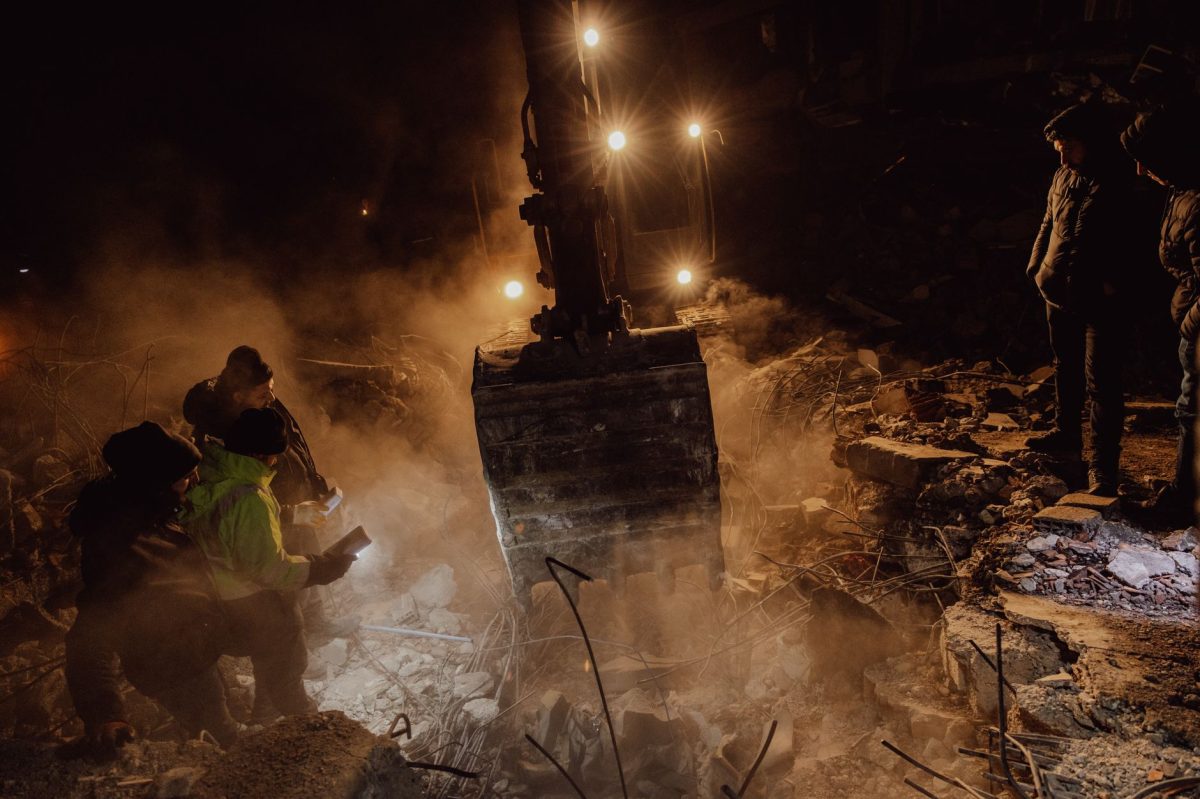
Mass demolitions can leave thousands without homes, creating a humanitarian crisis. If you're looking to help, understanding the best ways to provide support can make a significant difference. In this guide, we'll walk you through 7 practical steps to help homeless refugees rebuild their lives.
Step 1: **Research** Local Organizations and NGOs Providing Refugee Support
Start by researching local organizations and NGOs that are already providing support to homeless refugees. Check their websites, social media, and contact them directly to inquire about their work, volunteer opportunities, and donation requirements. This will help you understand the current situation and identify potential partners for your efforts. You can use websites like Charity Navigator or GuideStar to find reputable organizations.
Step 2: **Donate** Essential Items and Funds to Registered Charities
Once you've identified local organizations, consider donating essential items like food, water, clothing, and medical supplies. You can also donate funds to help cover expenses such as shelter, food, and medical care. Be sure to donate to registered charities to ensure your money is being used effectively. You can use online platforms like GoFundMe or PayPal to donate securely.
Step 3: **Volunteer** Your Time and Skills to Make a Difference
Volunteering your time and skills can be a valuable way to support homeless refugees. Consider offering your services to local organizations, such as helping with food distribution, providing medical care, or assisting with shelter maintenance. You can also use online platforms like VolunteerMatch to find volunteer opportunities.
Step 4: ** Raise Awareness** About the Issue and Its Impact
Raising awareness about the issue and its impact can help mobilize more support and resources. Use social media platforms to share information, personal stories, and updates about the situation. You can also write letters to local authorities or community leaders to express your concern and advocate for change. Be sure to use hashtags and tag relevant organizations to increase visibility.
Step 5: **Provide** Emergency Services and Support
In emergency situations, it's essential to provide immediate support. Consider providing emergency services like food, water, and medical care. You can also offer temporary shelter or transportation to those in need. Be sure to work with local organizations and authorities to ensure your efforts are coordinated and effective.
Step 6: **Support** Long-Term Recovery Efforts
While emergency support is crucial, long-term recovery efforts are equally important. Consider supporting organizations that provide educational programs, job training, and economic empowerment initiatives. These efforts can help refugees rebuild their lives and become self-sufficient. You can also support community development projects that promote social cohesion and community engagement.
Step 7: **Advocate** for Policy Change and Support
Finally, consider advocating for policy change and support for refugees. Contact local authorities, community leaders, and elected officials to express your concern and advocate for more effective support. You can also participate in campaigns, sign petitions, and join advocacy groups to amplify your voice. Be sure to stay informed about policy changes and updates on the situation.
When providing support, be mindful of cultural sensitivities and respect the dignity of refugees. Avoid imposing your own solutions or values on the situation, and instead, focus on empowering refugees to take control of their own lives.
By following these 7 steps, you can make a significant difference in the lives of homeless refugees. Remember to stay informed, be patient, and support long-term recovery efforts. Every action counts, and collective efforts can lead to meaningful change.