How To Protect Vulnerable Populations In Crisis Situations: 7 Tips
Prevent Delays in Medical Aid and Ensure Timely Response in Emergency Scenarios
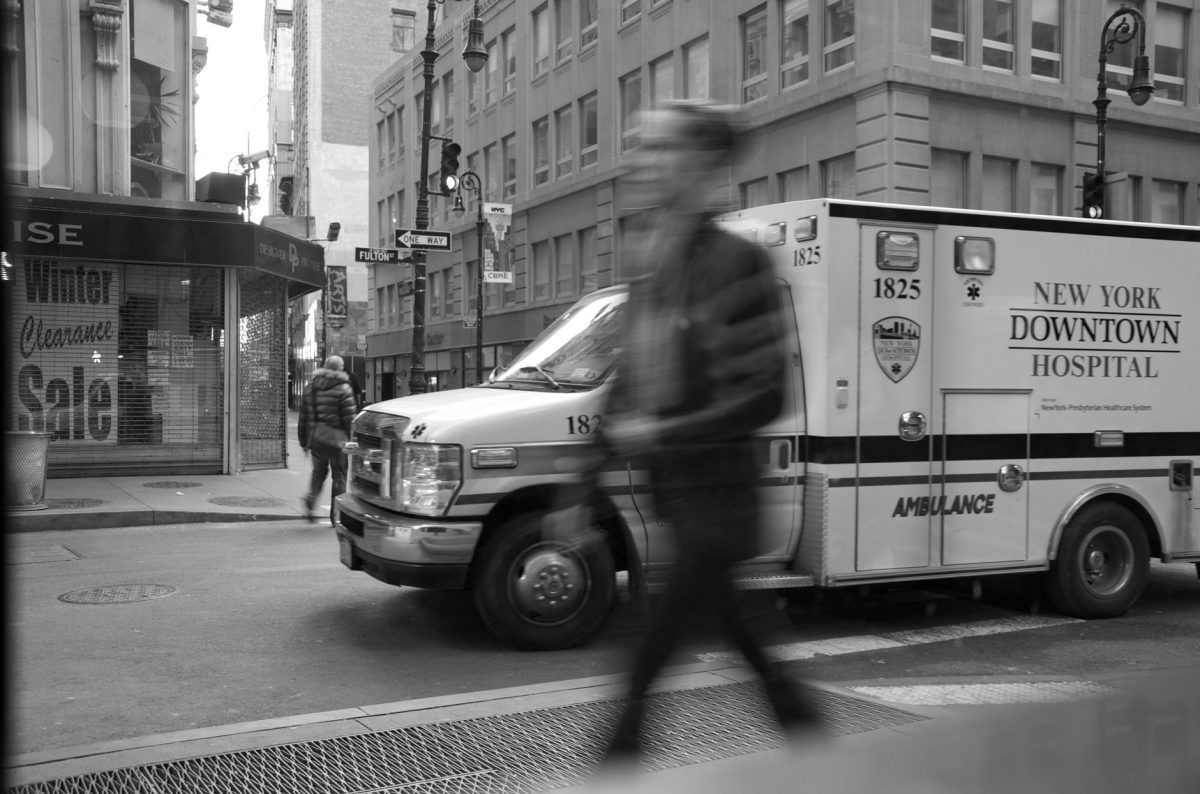
Delays in medical aid can have devastating consequences, especially for vulnerable populations in crisis situations. As the world grapples with increasing humanitarian crises, it's essential to learn how to prevent delays in medical aid and ensure a timely response. In this guide, you'll learn 7 practical tips to protect vulnerable populations in crisis situations and save lives.
Step 1: **Assess** the Situation and Identify Vulnerable Populations
Analyze the crisis situation and identify the most vulnerable populations, including women, children, and the elderly. Use tools like the United Nations' Humanitarian Response Framework (HRF) to assess the situation and prioritize areas of need. Collaborate with local authorities and humanitarian organizations to gather information and resources. This step requires 2-3 days of research and planning.
Step 2: **Develop** a Crisis Response Plan
Create a comprehensive crisis response plan that outlines the necessary steps to prevent delays in medical aid. Include procedures for emergency response, evacuation, and communication. Use tools like the Sphere Project's Minimum Standards in Humanitarian Response to ensure your plan meets international standards. This step requires 2-3 days of planning and coordination.
Step 3: **Establish** Communication Channels
Set up communication channels with local authorities, humanitarian organizations, and medical teams to ensure timely information exchange. Use platforms like WhatsApp, email, or satellite phones to stay connected. Verify the accuracy of information and validate the credibility of sources to prevent misinformation. This step requires 1-2 days of setup and testing.
Step 4: **Train** Medical Teams and Responders
Provide medical teams and responders with specialized training on crisis response, emergency medical procedures, and communication protocols. Use online resources like the American Red Cross's Disaster Training Program to equip responders with the necessary skills. This step requires 2-3 days of training and evaluation.
Step 5: **Secure** Medical Supplies and Equipment
Stockpile medical supplies and equipment, including first aid kits, oxygen tanks, and communication devices. Use platforms like the United Nations' Logistics Cluster to source medical supplies and equipment. Verify the quality and expiration dates of medical supplies to ensure their effectiveness. This step requires 2-3 days of procurement and storage.
Step 6: **Coordinate** with Local Authorities
Collaborate with local authorities to establish a chain of command, designate emergency response zones, and coordinate medical aid distribution. Use tools like the Inter-Agency Standing Committee (IASC) to facilitate coordination and information sharing. This step requires 1-2 days of coordination and planning.
Step 7: **Monitor** and Evaluate Response Efforts
Continuous monitoring and evaluation of response efforts are crucial to preventing delays in medical aid. Use tools like the Humanitarian Data Exchange (HDX) to track response efforts, identify areas of need, and adjust strategies accordingly. This step requires ongoing monitoring and evaluation over the course of the crisis response effort.
Often overlooked is the importance of **psychological support** for responders and affected populations. Providing mental health services and emotional support can help prevent secondary trauma and promote resilience in crisis situations.
By following these 7 tips, you can help prevent delays in medical aid and ensure a timely response in emergency situations. Remember to stay vigilant, adapt to changing circumstances, and continuously evaluate response efforts to save lives. As the world navigates increasing humanitarian crises, it's essential to prioritize the needs of vulnerable populations and learn from best practices in crisis management.