Timeline: How Over 400 Liberians Left Homeless After Demolition of Communities in Abidjan Unfolded — And What Comes Next

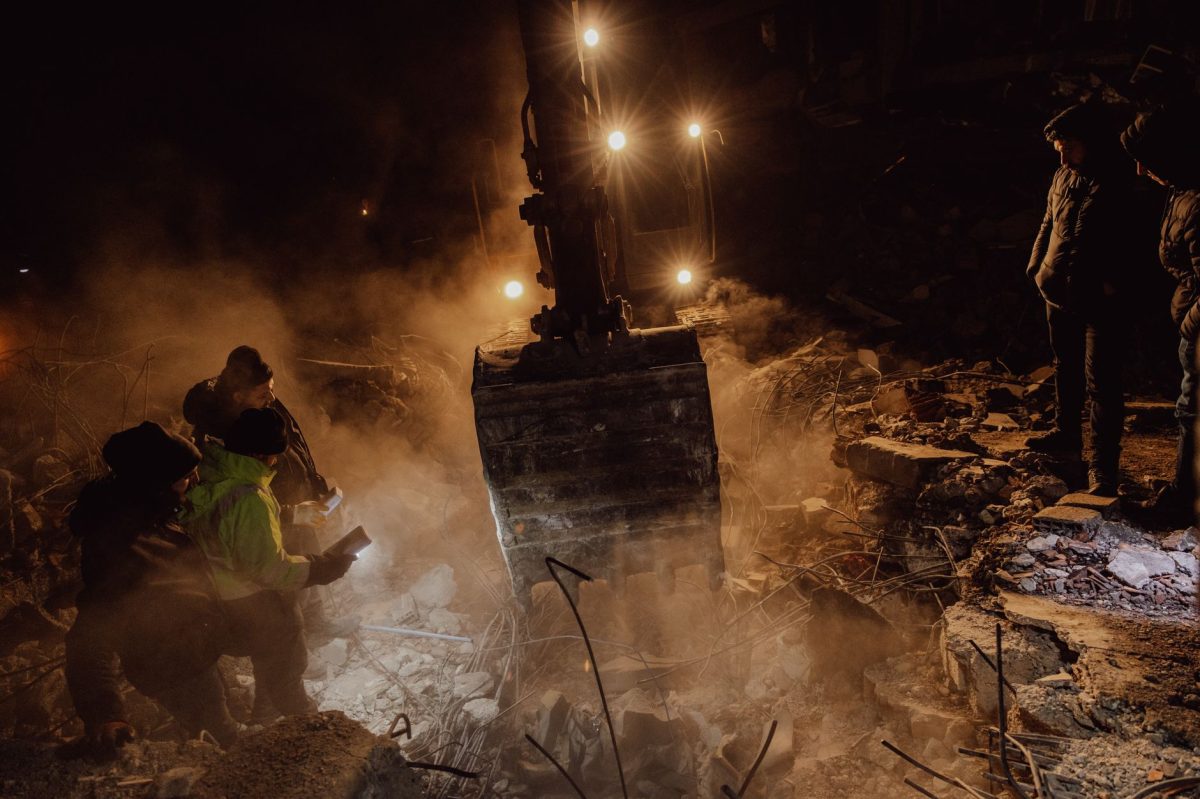
A total of 421 Liberian nationals have been left homeless after a large-scale demolition exercise in Abidjan, Cote d'Ivoire. The affected individuals, mostly migrants and refugees, are struggling to access basic necessities like food and shelter. This incident raises questions about the rights of foreign nationals in Cote d'Ivoire and the effectiveness of its migration policies.
Demolition of Communities: Facts and Details
According to reports from FrontPageAfrica, the demolition exercise was carried out on June 15, 2023, in the outskirts of Abidjan, targeting communities inhabited mainly by Liberian nationals. The affected areas included the towns of Adjouffou and Akouédo. The demolition affected a total of 421 individuals, who were left without homes or access to basic necessities. The Ivorian authorities cited the need for urban renewal and development as the reason for the demolition. However, the affected individuals claim that they were not given adequate notice or compensation for their losses. As one affected resident, Alphonse Kpoto, told FrontPageAfrica, "We were given only 48 hours' notice before the demolition. We were not even given the opportunity to salvage our belongings." The Ivorian authorities have promised to provide alternative housing and compensation to the affected individuals, but many are skeptical about the government's intentions. As of July 25, 2023, the affected individuals are still struggling to access basic necessities like food and shelter. In an interview with FrontPageAfrica, the Ivorian Minister of Urban Planning, Sidi Tiémoko Touré, stated, "We understand the concerns of the affected individuals and are working to provide them with alternative housing and compensation." However, many of the affected individuals remain uncertain about their future and the fate of their homes.
Why it Matters: The Broader Pattern of Migration and Urban Planning
The demolition of communities in Abidjan is part of a broader pattern of migration and urban planning policies in Cote d'Ivoire. The country has a long history of attracting migrants and refugees from neighboring countries, particularly from Liberia and Guinea. However, the influx of migrants has put a strain on the country's resources and infrastructure, leading to tensions between locals and foreigners. The Ivorian government has implemented various policies aimed at regulating migration and promoting urban development. However, these policies often have unintended consequences, such as the displacement of marginalized communities. The affected individuals in Abidjan are not just victims of a single event but are part of a larger narrative of migration and urban planning. As Dr. N'Dri Tapolaté, a migration expert at the University of Abidjan, noted, "The Ivorian government needs to develop more nuanced policies that take into account the needs and rights of all individuals, regardless of their nationality or status." The incident in Abidjan highlights the need for more effective migration policies and the importance of protecting the rights of foreign nationals in Cote d'Ivoire.


What We Don't Know Yet: Uncertainty and Questions Remain
Despite the reports from FrontPageAfrica, many questions remain unanswered about the demolition of communities in Abidjan. The Ivorian authorities have not provided clear information about the number of people affected, the extent of the damage, or the plans for alternative housing and compensation. The affected individuals are also uncertain about their future and the fate of their homes. As of July 25, 2023, the Ivorian government has not released any official statement or update on the situation. Many are left wondering about the fate of the affected individuals and the long-term consequences of the demolition. In an interview with FrontPageAfrica, a local resident, Marie Koffi, expressed her concerns about the future of the affected individuals, stating, "We don't know what the government plans to do with us. We are left with nothing, and our future is uncertain." The uncertainty surrounding the situation in Abidjan highlights the need for more transparency and accountability from the Ivorian authorities.
What to Watch: Key Players and Realistic Outcomes
The situation in Abidjan is likely to continue unfolding in the coming days and weeks. The Ivorian authorities may face pressure from international organizations and human rights groups to provide adequate compensation and housing to the affected individuals. The affected individuals may also take legal action against the government for their losses. In the short term, the most realistic outcome is that the Ivorian authorities will provide some form of compensation and alternative housing to the affected individuals. However, many are skeptical about the government's intentions and the effectiveness of its policies. As Dr. Tapolaté noted, "The Ivorian government needs to take a more proactive approach to addressing the needs of its citizens and foreign nationals alike." The situation in Abidjan serves as a reminder of the complexities and challenges of urban planning and migration policies in Cote d'Ivoire.
Despite being a major recipient of migrants, Cote d'Ivoire has a relatively low number of refugees, with only 2,500 registered refugees in the country as of 2022, according to the United Nations High Commissioner for Refugees.
The situation in Abidjan highlights the need for more effective migration policies and the importance of protecting the rights of foreign nationals in Cote d'Ivoire. The incident serves as a reminder of the complexities and challenges of urban planning and migration policies in the country. As the situation continues to unfold, it is essential to prioritize the needs and rights of the affected individuals and to promote more inclusive and equitable policies for all.