How To Reduce Your Exposure To Sewage Spills In Your Neighborhood
Protect yourself and your community from the risks associated with sewage spills, a growing concern in England and beyond.
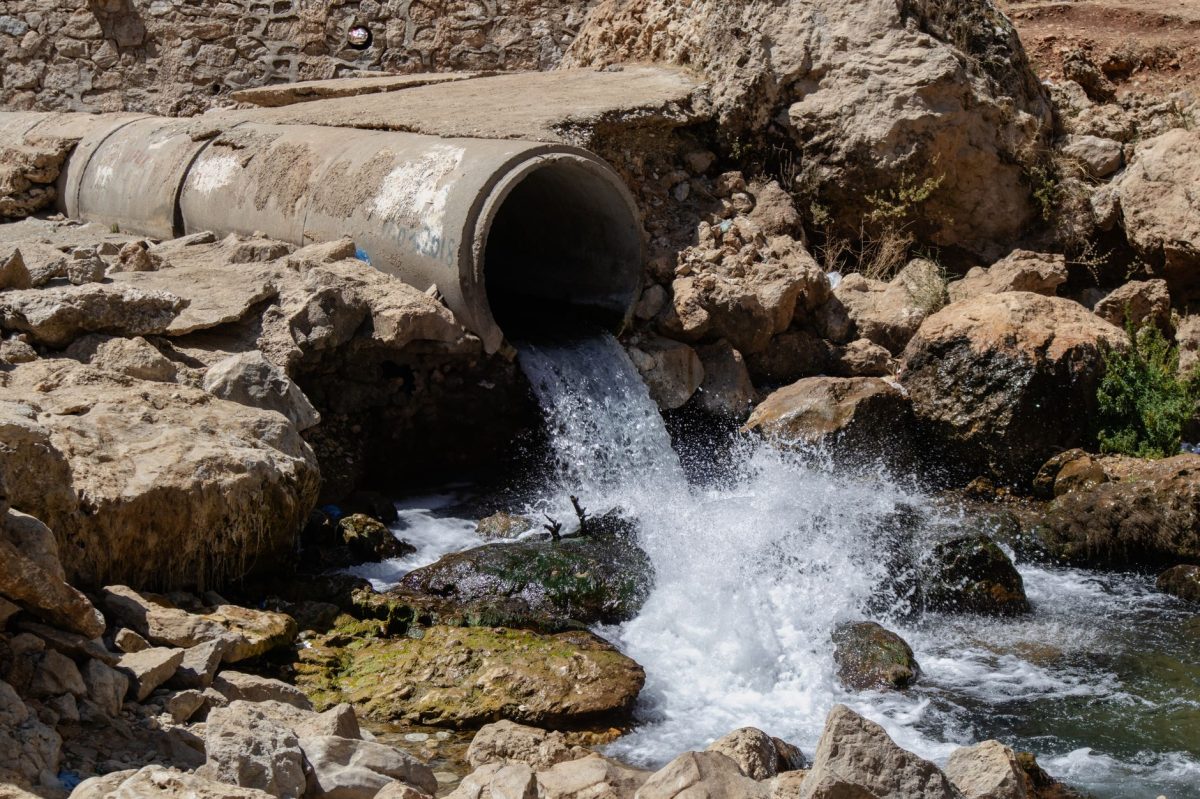
Sewage spills can have devastating effects on both human health and the environment. With the recent leak of secret court documents revealing that many sewage spills in England may be illicit, it's essential to take action and protect yourself and your community. In this guide, we'll show you 10 practical steps to reduce your exposure to sewage spills and take control of your neighborhood's water safety.
Step 1: **Identify** Local Sewage Spills
Use online resources like the UK's Water Services Regulation Authority (Ofwat) website or your local government's website to find information on recent sewage spills in your area. You can also contact your local wastewater treatment plant to ask about any reported spills. This will help you stay informed and take action before it's too late.
Step 2: **Understand** Sewage Spill Risks
Learn about the health risks associated with sewage spills, such as waterborne diseases and chemical contamination. Research the potential environmental impacts, like soil and surface water pollution. This knowledge will empower you to make informed decisions and take necessary precautions.
Step 3: **Report** Spills to Authorities
If you witness a sewage spill, report it immediately to your local government or water utility company. Provide as much detail as possible, including the location, time, and extent of the spill. This will help authorities respond quickly and take action to mitigate the damage.
Step 4: **Use** Water Filters
Install a water filter at home to remove bacteria, viruses, and other contaminants from your drinking water. Look for filters with a high removal rate, such as those certified by NSF International or the Water Quality Association. This will give you peace of mind and protection from potential waterborne pathogens.
Step 5: **Conduct** Regular Water Tests
Collect water samples from your tap and send them to a certified laboratory for analysis. This will help you identify any contaminants or pollutants in your drinking water. You can use online resources like the EPA's WaterSense program to find certified laboratories in your area.
Step 6: **Stay** Informed
Follow local news and government updates on sewage spills and water safety. Join online communities or forums to discuss water safety concerns and share information with your neighbors. This will help you stay up-to-date and connected with others in your community.
Step 7: **Support** Local Advocacy Efforts
Join local advocacy groups or initiatives that focus on water safety and sewage spill prevention. Attend community meetings and events to raise awareness and push for policy changes. Your voice can make a difference in creating a safer and healthier community.
Step 8: **Use** Personal Protective Equipment
When interacting with contaminated water or soil, use personal protective equipment (PPE) like gloves, masks, and eye protection. This will help prevent exposure to potential pathogens and toxins. Make sure to follow proper disposal procedures for any PPE used.
Step 9: **Create** a Neighborhood Watch Program
Organize a neighborhood watch program to monitor local waterways and report any suspicious activities or spills. This will help keep your community safe and informed. You can use online resources like the National Neighborhood Watch Association to find guidance and support.
Step 10: **Advocate** for Policy Changes
Contact your local representatives and express your concerns about sewage spills and water safety. Push for policy changes that prioritize environmental protection and public health. Your advocacy can help create lasting change and a safer community for everyone.
Many people overlook the importance of **regularly inspecting** their septic systems and wastewater connections. Regular maintenance can help prevent sewage spills and keep your community safe.
By following these 10 steps, you'll be empowered to reduce your exposure to sewage spills and create a safer, healthier community. Remember to stay informed, take action, and advocate for policy changes. Your voice matters, and together, we can make a difference.