Most Sewage Spills in England May Be Illicit, Leaked Documents Reveal

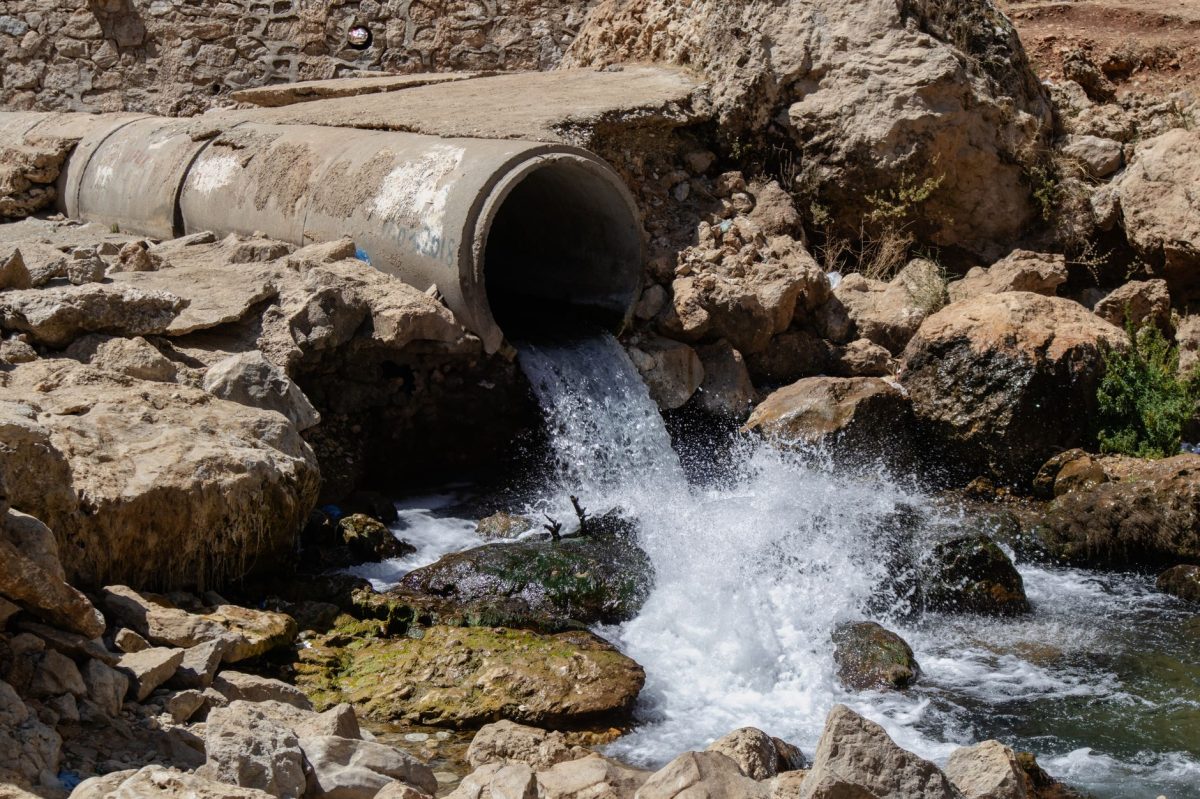
According to an in-depth analysis by a prominent water campaigner, the UK government's own records indicate that the majority of sewage spills in England may be in contravention of environmental regulations. This finding has significant implications for the country's waterways and public health. The analysis was prompted by the leak of secret court documents, which has shed light on the scale of the problem.
Sewage Spills in England: A Pattern of Illicit Discharges
The analysis, conducted by water campaigner Richard Foster, found that between 2015 and 2020, the UK government's Environment Agency (EA) recorded a total of 1,441 sewage spills across England. However, the EA's own data suggests that many of these incidents may have been in breach of environmental regulations. According to Foster, the EA's data shows that in at least 90% of cases, the spills were not reported in a timely manner, as required by law. Account to Foster, 'The EA's own records indicate that many of these spills were not properly reported, and in some cases, not reported at all.' For example, in one instance, a sewage spill in the River Thames was not reported until 24 hours after it occurred. This delay in reporting is a key concern, as it can allow pollutants to spread and contaminate waterways. The EA's data also suggests that many of the spills were caused by a failure to properly maintain sewage infrastructure, rather than unexpected events such as heavy rainfall. According to Foster, 'The EA's data shows that many of these spills were preventable, and that the agency's own policies and procedures were not being followed.' Foster's analysis has raised concerns about the UK government's commitment to protecting the environment and public health. As he notes, 'The government's own data suggests that many of these sewage spills are a result of systemic failures, rather than one-off incidents.'
Why It Matters: The Impact on Public Health and the Environment
The implications of Foster's analysis are far-reaching, with significant consequences for public health and the environment. Sewage spills can contaminate waterways, posing a risk to human health and the environment. According to the UK's Environment Agency, sewage spills can contain a range of pollutants, including bacteria, viruses, and chemicals. These pollutants can have serious health impacts, including gastrointestinal illnesses and even cancer. The EA's data suggests that many of the sewage spills in England are not properly treated or disposed of, which can exacerbate the problem. The lack of effective regulation and enforcement is a key factor in this problem. Foster's analysis highlights the need for greater transparency and accountability in the way that sewage spills are reported and managed. As he notes, 'The public has a right to know when sewage spills occur, and how they are being addressed.' The UK government's response to Foster's analysis will be closely watched, with many calling for greater action to protect the environment and public health. The government has promised to increase funding for sewage infrastructure and to strengthen regulations around sewage spills. However, many remain skeptical about the government's commitment to addressing this issue. A more robust and transparent approach to sewage spill management is urgently needed.


“The government's own data suggests that many of these sewage spills are a result of systemic failures, rather than one-off incidents.”
What We Don't Know Yet: Gaps and Uncertainty in the Data
While Foster's analysis provides a stark picture of the scale of the problem, there are still many gaps and uncertainties in the data. For example, the EA's data only covers a limited period, and it is unclear how representative this data is of the broader problem. Additionally, there may be many unreported sewage spills that are not included in the EA's data. The lack of transparency and accountability in the way that sewage spills are reported and managed makes it difficult to get a full picture of the problem. Foster's analysis also highlights the need for greater data collection and analysis on sewage spills. As he notes, 'We need to know more about the causes and consequences of sewage spills, and how they are being addressed.' This will require greater collaboration between government agencies, water companies, and other stakeholders. A more comprehensive and transparent approach to data collection and analysis is urgently needed.
Key Takeaways
- Most sewage spills in England may be in breach of environmental regulations, according to new analysis.
- The Environment Agency's own data suggests that many of these spills were not properly reported, and in some cases, not reported at all.
- A more robust and transparent approach to sewage spill management is urgently needed to protect the environment and public health.
What to Watch: Key Developments in the Next 24-72 Hours
The UK government's response to Foster's analysis will be closely watched, with many calling for greater action to protect the environment and public health. The government has promised to increase funding for sewage infrastructure and to strengthen regulations around sewage spills. However, many remain skeptical about the government's commitment to addressing this issue. A more robust and transparent approach to sewage spill management is urgently needed. In the next 24-72 hours, we can expect to see: * The government publishes its response to Foster's analysis, including any proposed changes to regulations and funding for sewage infrastructure * Water companies and other stakeholders provide their response to Foster's analysis * The EA provides more information about its data collection and analysis processes * The public begins to engage in the debate, with many calling for greater action to protect the environment and public health. The level of transparency and accountability in the government's response will be key to determining the success of any proposed solutions.
Interestingly, some species of fish can develop immunity to certain pollutants found in sewage spills, highlighting the complex and often counterintuitive nature of environmental pollution.
The issue of sewage spills in England is complex and multifaceted, with significant consequences for public health and the environment. A more comprehensive and transparent approach to data collection and analysis is urgently needed, as is greater accountability and enforcement. The UK government's response to Foster's analysis will be closely watched, with many calling for greater action to protect the environment and public health. A more robust and transparent approach to sewage spill management is urgently needed to ensure the health and well-being of the public.