Gaza Journalists Protesting for Urgent Medical Evacuation Amid Crisis

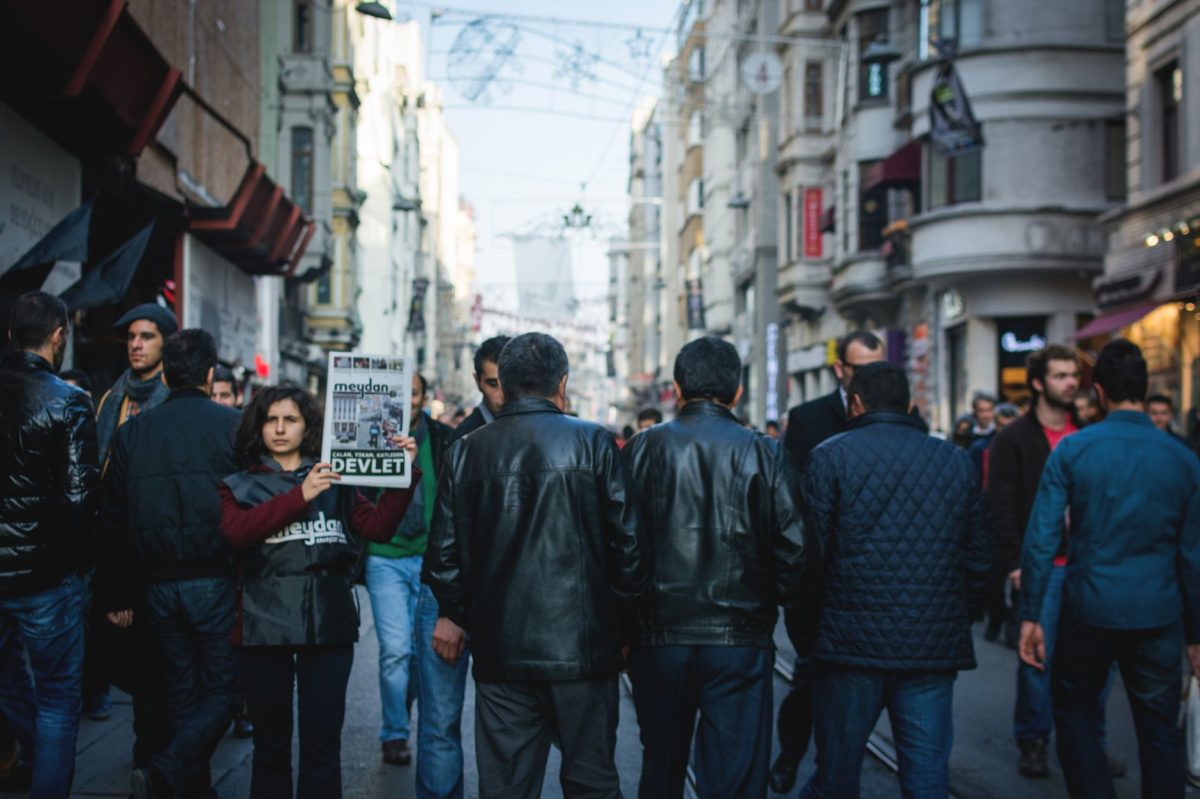
More than 40 Palestinian journalists in Gaza are in urgent need of medical evacuation, sparking a protest by their colleagues who are also wounded or chronically ill. This situation raises concerns about the safety and well-being of journalists in conflict zones, where they are often caught in the line of fire. The protest is a stark reminder of the risks faced by journalists in Gaza, where access to medical care is already limited.
Wounded Journalists Stage Protest Amid Crisis
According to a statement by the Palestinian Journalists Syndicate, over 40 journalists in Gaza require immediate medical evacuation due to injuries sustained while working in the field. On Monday, a group of wounded and chronically ill journalists staged a protest in Gaza, calling for urgent medical evacuation and demanding that Israeli authorities allow them to leave the territory. The protesters, who include prominent journalists such as Amjad Yaghi and Mohamed Omer, were joined by other Gaza residents who are also in need of medical care. Amjad Yaghi, a prominent journalist who was wounded in a bombing incident in 2014, stated, 'We are fighting for our lives, and for the right to report on the truth.' The protest was organized by the Palestinian Journalists Syndicate, which has been advocating for the rights of journalists in Gaza. According to the syndicate, the protesters were met with heavy security presence and were forced to disperse. Despite this, the protesters have vowed to continue their demands for medical evacuation. The situation in Gaza has been exacerbated by the ongoing conflict, which has resulted in widespread destruction and a severe shortage of medical supplies. The World Health Organization has reported that over 70% of Gaza's medical equipment is either out of date or no longer functional. The Israeli authorities have not commented on the protesters' demands, but have stated that they are committed to protecting the rights of journalists in Gaza. The situation in Gaza highlights the challenges faced by journalists in conflict zones, where they often have to navigate complex security situations and limited access to medical care. The protest by the wounded journalists is a stark reminder of the risks faced by journalists in Gaza, where they are often caught in the line of fire.
The Risks Faced by Journalists in Gaza
The protest by the wounded journalists in Gaza highlights the risks faced by journalists in conflict zones. In Gaza, journalists often have to navigate complex security situations, where they are caught in the line of fire between Israeli forces and Palestinian militants. The situation is further complicated by the widespread destruction caused by the conflict, which has resulted in a severe shortage of medical supplies. According to the World Health Organization, over 70% of Gaza's medical equipment is either out of date or no longer functional. This has resulted in a significant increase in the number of patients who are unable to access medical care. The situation is exacerbated by the fact that many journalists in Gaza are not registered with the Israeli authorities, making it difficult for them to obtain the necessary permits to leave the territory. This has resulted in many journalists being forced to work in secret, often putting themselves at risk of injury or arrest. The risks faced by journalists in Gaza are not limited to physical harm. Many journalists have reported experiencing psychological trauma as a result of the conflict, which has resulted in a significant increase in the number of journalists seeking mental health support. The situation in Gaza highlights the need for greater protection and support for journalists in conflict zones. The international community must recognize the risks faced by journalists in Gaza and take steps to ensure their safety and well-being.

“We are fighting for our lives, and for the right to report on the truth.”
What We Don't Know Yet
Despite the protest by the wounded journalists, there are still many questions that remain unanswered. The Israeli authorities have not commented on the protesters' demands, and it is unclear what steps they will take to address the situation. The World Health Organization has reported that over 70% of Gaza's medical equipment is either out of date or no longer functional, but it is unclear how this will be addressed. The situation in Gaza is further complicated by the ongoing conflict, which has resulted in widespread destruction and a severe shortage of medical supplies. The international community must recognize the risks faced by journalists in Gaza and take steps to ensure their safety and well-being. The situation in Gaza highlights the need for greater protection and support for journalists in conflict zones. The international community must work together to address the challenges faced by journalists in Gaza and ensure that they are able to report safely and effectively. The situation in Gaza is a stark reminder of the risks faced by journalists in conflict zones, where they often have to navigate complex security situations and limited access to medical care.
What to Watch
In the coming days, there are several developments that will be worth monitoring. The Israeli authorities have announced plans to establish a new checkpoint in Gaza, which could potentially restrict the movement of journalists and other civilians. The World Health Organization has reported that over 70% of Gaza's medical equipment is either out of date or no longer functional, and it is unclear how this will be addressed. The situation in Gaza is further complicated by the ongoing conflict, which has resulted in widespread destruction and a severe shortage of medical supplies. The international community must recognize the risks faced by journalists in Gaza and take steps to ensure their safety and well-being. The situation in Gaza highlights the need for greater protection and support for journalists in conflict zones. The international community must work together to address the challenges faced by journalists in Gaza and ensure that they are able to report safely and effectively.