How To Protect Your Journalist Colleagues in Crisis Situations
A 7-Step Guide to Advocating for Medical Evacuation and Safe Journalism Practices
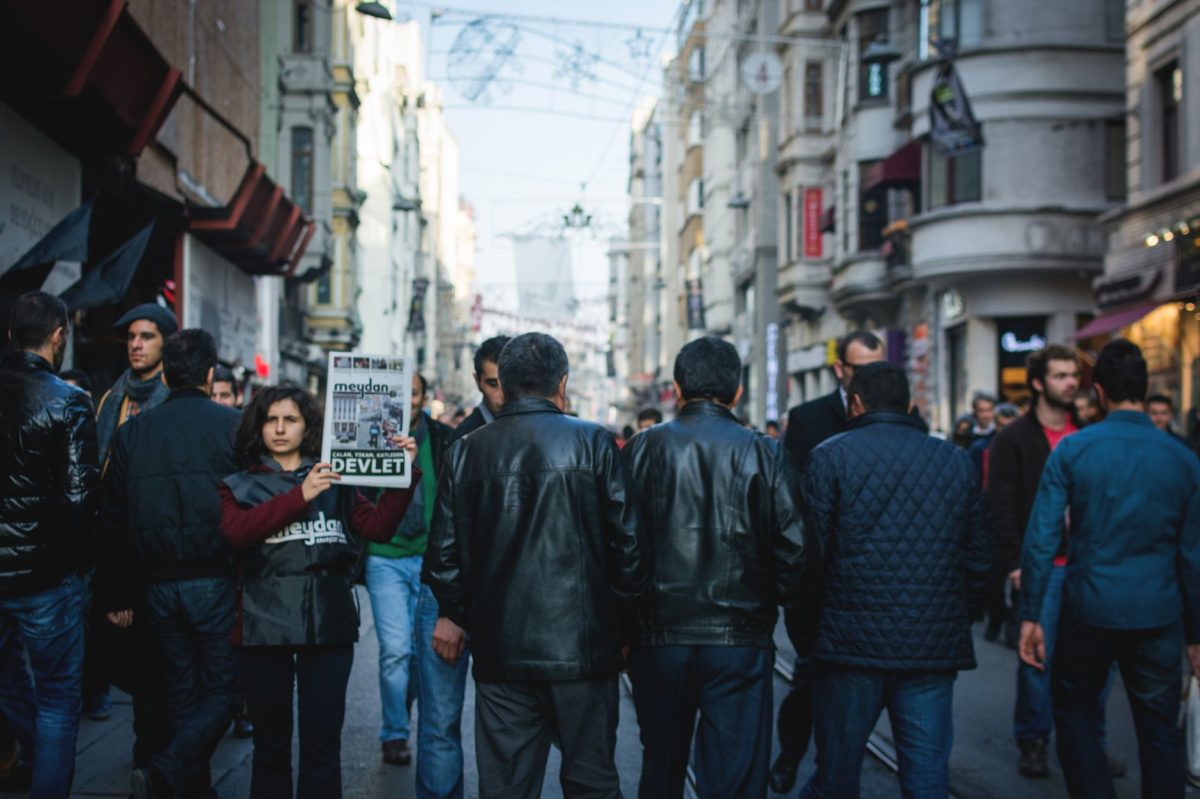
As a journalist, it's crucial to prioritize your colleagues' safety and well-being, especially in crisis situations. When faced with a medical emergency or a dire need for evacuation, acting quickly can be the difference between life and death. This guide will walk you through the best way to advocate for your journalist colleagues in crisis situations, ensuring their safe return home.
Step 1: **Stay Informed** About the Situation
Stay up-to-date on the latest news and developments surrounding the crisis, including the number of journalists affected, their locations, and any available resources. Utilize online platforms like the Committee to Protect Journalists (CPJ) or the International Journalists' Network (IJN) to gather information and connect with other journalists. Follow relevant hashtags on social media to stay informed and engage with the community.
Step 2: **Assess the Situation** and Identify Needs
Gather information about the journalists in need, including their medical conditions, locations, and any available resources. Use online tools like the Journalist Emergency Assistance Program (JEAP) or the International Committee of the Red Cross (ICRC) to assess the situation and identify the most pressing needs. Consider collaborating with other journalists, organizations, or advocacy groups to amplify your efforts and resources.
Step 3: **Develop a Plan** for Medical Evacuation
Create a comprehensive plan for medical evacuation, considering factors like cost, logistics, and potential risks. Research available options for medical evacuation, such as local hospitals, air ambulances, or international organizations. Identify potential partners, like local authorities, medical teams, or NGOs, to help facilitate the evacuation process.
Step 4: **Build a Support Network** of Advocates
Recruit a network of advocates, including fellow journalists, organizations, and influencers, to amplify your efforts and raise awareness about the situation. Leverage social media platforms, online forums, and traditional media outlets to share updates, raise funds, and build public support. Utilize online tools like Change.org or Petition2Congress to create and promote petitions advocating for medical evacuation.
Step 5: **Communicate Effectively** with Stakeholders
Establish clear communication channels with stakeholders, including local authorities, medical teams, and other organizations involved in the response efforts. Utilize platforms like WhatsApp, email, or online project management tools to coordinate efforts and share updates. Be prepared to provide regular updates and respond to inquiries from the public, media, and other stakeholders.
Step 6: **Raise Funds** for Medical Evacuation
Organize fundraising efforts to cover the costs of medical evacuation, including air travel, medical expenses, and other related costs. Utilize online platforms like GoFundMe, Kickstarter, or Indiegogo to create and promote fundraising campaigns. Consider partnering with organizations or influencers to amplify your fundraising efforts and reach a broader audience.
Step 7: **Evaluate and Improve** Your Response
Regularly assess the effectiveness of your response efforts and identify areas for improvement. Evaluate the impact of your advocacy work, including the number of journalists evacuated, the quality of care received, and any challenges faced during the response. Use this feedback to refine your strategies and improve your response efforts for future crisis situations.
Don't underestimate the power of social media in raising awareness and mobilizing support for your journalist colleagues. Utilize relevant hashtags, share engaging content, and collaborate with influencers to amplify your message and reach a broader audience.
By following these 7 steps, you'll be well-equipped to advocate for your journalist colleagues in crisis situations, ensuring their safe return home. Remember to stay informed, assess the situation, and develop a comprehensive plan for medical evacuation. Build a support network, communicate effectively, raise funds, and evaluate your response efforts to ensure the best possible outcome for your colleagues. Take action today and make a difference in the lives of journalists around the world.