How To Reduce Plastic Waste Impact on Marine Ecosystems
Discover the 10 essential steps to minimize your contribution to the devastating effects of plastic pollution in the world's oceans
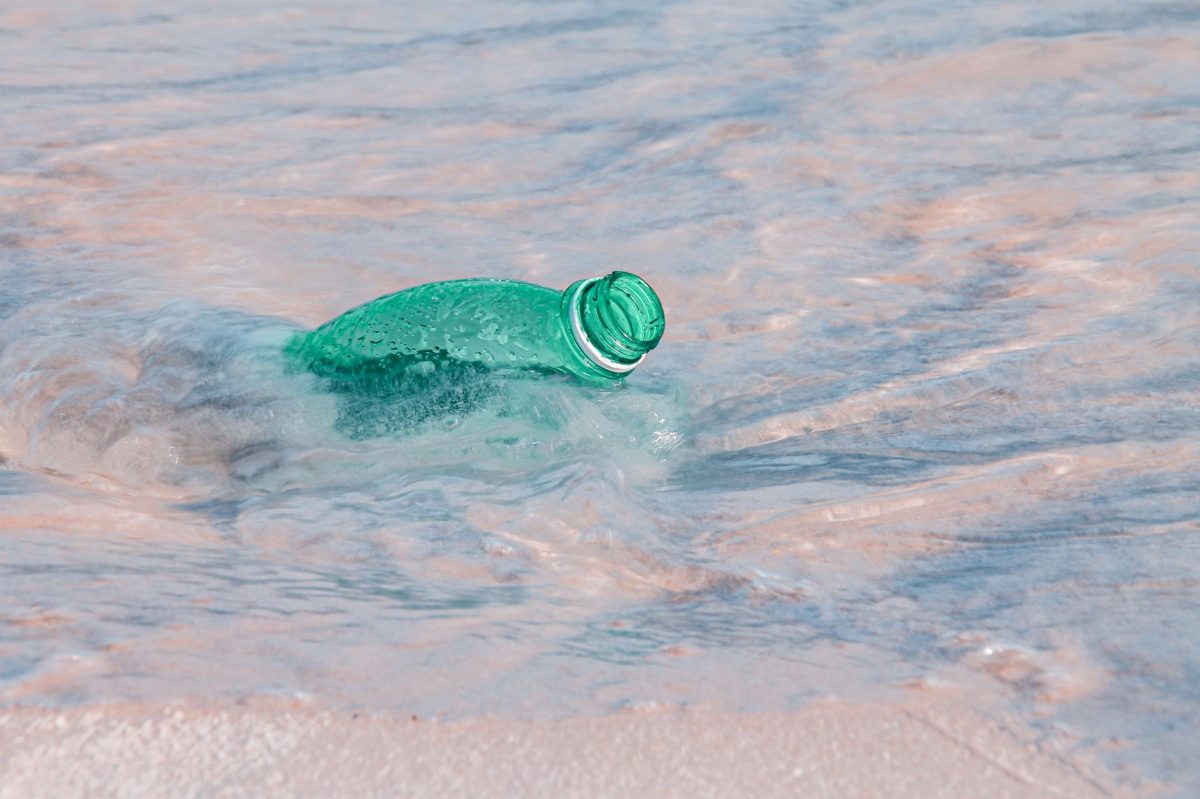
Plastic waste in the ocean is a pressing issue that threatens marine life and ecosystems. As a responsible individual, you can take small steps to make a significant difference. In this guide, you'll learn how to reduce plastic waste impact on marine ecosystems and contribute to a healthier planet. Learn the simple yet effective ways to minimize your plastic footprint and inspire others to do the same.
Step 1: **Identify** Single-Use Plastics to Avoid
Start by recognizing the single-use plastics in your daily life, such as straws, bags, water bottles, and microbeads. Use the 'zero waste' app to track your plastic usage and identify areas for improvement. Make a commitment to reduce your single-use plastics by opting for reusable alternatives like metal straws, cloth bags, and refillable water bottles.
Step 2: **Choose** Eco-Friendly Alternatives
Replace plastic products with eco-friendly alternatives, such as beeswax wraps, stainless steel containers, and glass jars. Research and explore online marketplaces like Thrive Market or Amazon to find sustainable products. Consider purchasing second-hand items or borrowing from friends to reduce waste even further.
Step 3: **Recycle** Properly
Ensure you're recycling correctly by checking your local recycling guidelines. Use the 'Recycle Coach' app to learn what can and cannot be recycled in your area. Make sure to rinse and sort recyclables properly to prevent contamination and increase the chances of successful recycling.
Step 4: **Upcycle** Old Items
Get creative and upcycle old items instead of throwing them away. Use old plastic containers to create planters, candle holders, or bird feeders. You can also repurpose old clothes into reusable bags, cleaning rags, or quilts. Get inspired by online tutorials and DIY projects on YouTube or Pinterest.
Step 5: **Participate** in Beach Cleanups
Join local beach cleanups or organize your own event to collect plastic waste and raise awareness about the issue. Use the 'Clean Swell' app to find beach cleanups near you and track your contributions. Encourage friends and family to participate and make it a fun community event.
Step 6: **Support** Plastic-Free Initiatives
Support businesses and organizations that prioritize plastic-free practices and sustainable packaging. Use the 'Good on You' app to rate and review companies based on their environmental policies. Make informed purchasing decisions and encourage others to do the same.
Step 7: **Educate** Others
Share your knowledge and inspire others to take action by educating them about the impact of plastic waste on marine ecosystems. Use social media platforms like Instagram or Facebook to share infographics, videos, and articles highlighting the issue. Participate in online forums and discussions to raise awareness and promote eco-friendly practices.
Step 8: **Use** Reusable Bags
Make a habit of using reusable bags for grocery shopping, carrying items, or packing lunches. Use the 'Bagster' app to find and purchase reusable bags made from sustainable materials. Encourage friends and family to join you in using reusable bags and reduce plastic waste together.
Step 9: **Avoid** Microbeads
Check the ingredients of your personal care products and avoid those containing microbeads. Use the ' EWG Verified' website to find plastic-free and environmentally friendly personal care products. Support companies that use natural exfoliants like sugar, salt, or coffee grounds instead of microbeads.
Step 10: **Advocate** for Policy Change
Contact your local representatives and express your concerns about plastic waste and marine pollution. Use the '5Calls' app to make it easy to contact your representatives and track your contributions. Advocate for policy changes that promote sustainable practices, reduce plastic waste, and protect marine ecosystems.
One often-overlooked step is to **reduce** your meat consumption, as animal agriculture contributes significantly to plastic waste and greenhouse gas emissions. Explore plant-based diets and recipes on websites like Oh She Glows or The Full Helping to make a positive impact on the environment.
By following these 10 steps, you'll significantly reduce your plastic waste impact on marine ecosystems and contribute to a healthier planet. Remember, every small action counts, and collective efforts can lead to significant positive change. Continue to educate yourself and others, and inspire others to join you in the fight against plastic waste and marine pollution.