Tiny Ecosystem Discovered in Bottle Cap off Kochi, India

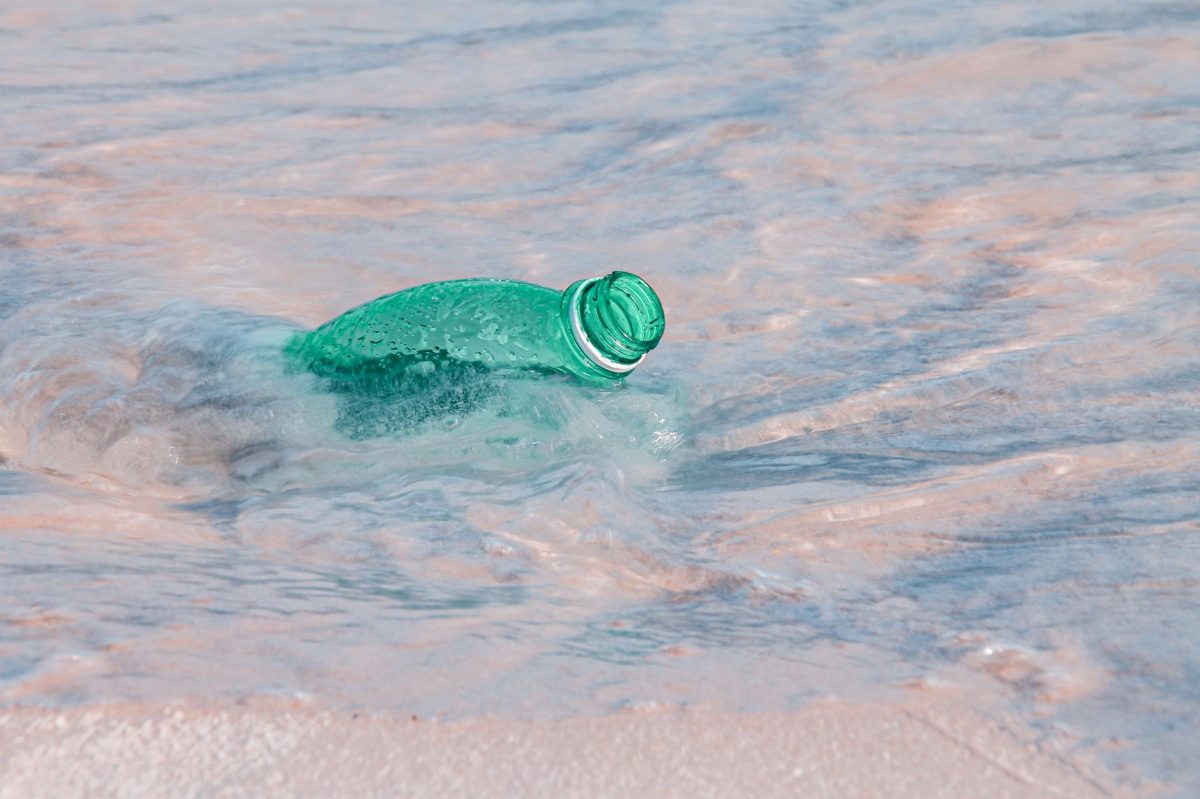
A small, self-sustaining ecosystem has been discovered in a discarded bottle cap floating off the coast of Kochi, India, by Japanese researchers. This remarkable finding highlights the potential for plastic waste to become a habitat for a wide range of organisms, emphasizing the need for effective waste management strategies to minimize the impact on marine ecosystems. The discovery is a reminder that even the smallest fragments of plastic can have a profound effect on the environment.
Japanese Researchers Discover Ecosystem in Discarded Bottle Cap
According to an account to Dr. Shinji Tanaka, a researcher at the University of Tokyo, the team stumbled upon the tiny ecosystem while conducting a study on marine pollution in the Indian Ocean. The bottle cap, which was likely discarded by a fisherman or a tourist, had become home to a complex community of organisms, including algae, bacteria, and small invertebrates. The researchers were surprised to find that the ecosystem was thriving in the small, isolated space. Dr. Tanaka highlighted the importance of the discovery, stating that it shows 'the incredible resilience of life in even the most extreme environments'. The researchers found that the ecosystem was supported by the bottle cap's unique shape and size, which created a microclimate that allowed the organisms to thrive. The bottle cap's interior was found to be colonized by a type of algae that is typically found in shallow, coastal waters. The discovery has sparked interest in the potential for plastic waste to serve as a habitat for marine life, and has raised concerns about the impact of plastic pollution on marine ecosystems. The researchers are currently studying the ecosystem in more detail to gain a better understanding of the complex relationships between the organisms living in the bottle cap. The study has been published in the journal Marine Pollution Bulletin, with Dr. Tanaka and his team calling for further research into the impact of plastic waste on marine ecosystems. The researchers are also advocating for policies to reduce plastic waste and promote sustainable waste management practices.
Why the Discovery Matters
The discovery of the ecosystem in the bottle cap highlights the potential for plastic waste to become a significant problem for marine ecosystems. Plastic pollution is a growing concern worldwide, with millions of tons of plastic waste entering the ocean every year. The impact of plastic waste on marine life is well-documented, with studies showing that plastic debris can cause physical harm, entanglement, and ingestion of plastic particles. The discovery of the ecosystem in the bottle cap emphasizes the need for effective waste management strategies to minimize the impact of plastic waste on marine ecosystems. The study has significant implications for our understanding of the impact of plastic pollution on marine life. The researchers are urging policymakers to take action to reduce plastic waste and promote sustainable waste management practices. The study highlights the need for a multi-faceted approach to addressing plastic pollution, including reducing plastic use, improving waste management infrastructure, and promoting education and awareness about the impacts of plastic pollution. By working together, we can reduce the impact of plastic waste on marine ecosystems and protect the health of our oceans.

“The incredible resilience of life in even the most extreme environments is a reminder of the importance of preserving our oceans and the incredible diversity of life that exists within them.”
What We Don't Know Yet
While the discovery of the ecosystem in the bottle cap is significant, there is still much to be learned about the complex relationships between the organisms living in the bottle cap. The researchers are currently studying the ecosystem in more detail to gain a better understanding of the relationships between the organisms. The study highlights the need for further research into the impact of plastic waste on marine ecosystems, including the effects of microplastics on marine life and the role of plastic pollution in the spread of invasive species. The researchers are also calling for more data on the amount and types of plastic waste entering the ocean, as well as the effects of plastic pollution on marine ecosystems. The study emphasizes the need for a more comprehensive understanding of the impacts of plastic pollution on marine life. The researchers are urging policymakers to take a more proactive approach to addressing plastic pollution, including increasing funding for research and education, and implementing policies to reduce plastic waste and promote sustainable waste management practices.
Key Takeaways
- A complex ecosystem was discovered in a discarded bottle cap floating off the coast of Kochi, India.
- The ecosystem was found to be thriving in the small, isolated space.
- The study highlights the potential for plastic waste to become a habitat for marine life.
- The study emphasizes the need for effective waste management strategies to minimize the impact of plastic waste on marine ecosystems.
- The researchers are urging policymakers to take action to reduce plastic waste and promote sustainable waste management practices.
What to Watch
In the coming weeks and months, we can expect to see more research on the impact of plastic waste on marine ecosystems. The researchers are planning to conduct further studies on the ecosystem in the bottle cap. The study is also likely to spark further debate about the impact of plastic pollution on marine life and the need for effective waste management strategies. The study has significant implications for policy makers and the public. We can expect to see increased calls for action to reduce plastic waste and promote sustainable waste management practices. The study is also likely to highlight the need for education and awareness about the impacts of plastic pollution on marine ecosystems. The study underscores the importance of protecting our oceans and the incredible diversity of life that exists within them. The researchers are urging policymakers to take a more proactive approach to addressing plastic pollution, including increasing funding for research and education, and implementing policies to reduce plastic waste and promote sustainable waste management practices.
The University of Tokyo's Dr. Shinji Tanaka and his team are not the first researchers to discover an ecosystem in a plastic bottle cap. In 2019, a team of scientists from the University of California, Berkeley discovered an ecosystem in a plastic bottle cap floating in the Pacific Ocean. The study was published in the journal Marine Pollution Bulletin and highlighted the potential for plastic waste to become a habitat for marine life.
The discovery of the ecosystem in the bottle cap is a powerful reminder of the importance of protecting our oceans and the incredible diversity of life that exists within them. By working together, we can reduce the impact of plastic waste on marine ecosystems and promote sustainable waste management practices that protect the health of our oceans and the incredible diversity of life that exists within them.