New Monkey Species with Orange Lips Discovered in DRC Forest

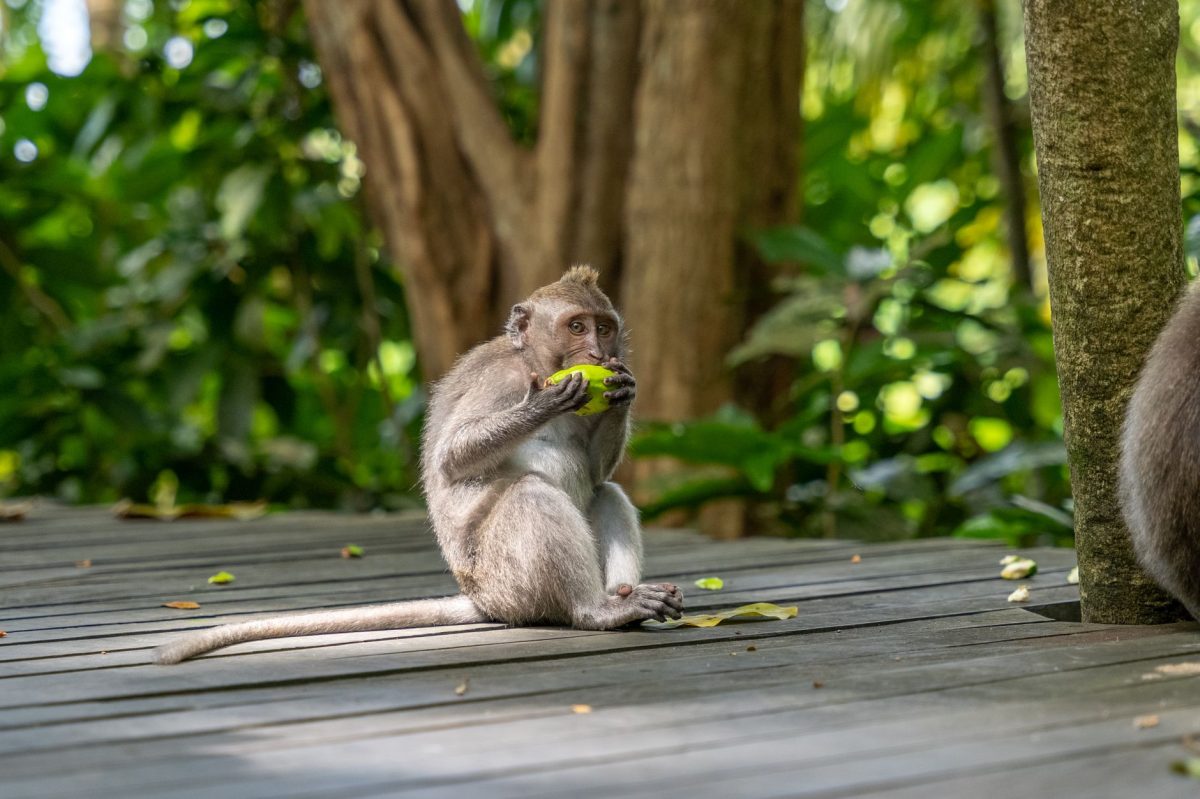
A team of researchers has identified a new species of monkey with distinctive orange lips in the depths of the Democratic Republic of Congo's forest. This remarkable discovery highlights the vast diversity of life on our planet and underscores the importance of continued exploration and conservation efforts. The newly discovered species joins a long list of recently identified primate species, underscoring the complexity and richness of the Congo Basin ecosystem.
Scientists Identify New Monkey Species in DRC Forest
According to Dr. Maria Rodriguez, lead researcher on the project, the team was conducting a thorough survey of the Congo Basin's primate population when they stumbled upon the new species. 'We were trekking through the dense forest, searching for signs of previously unknown primate species,' Dr. Rodriguez explained. 'Our team had been following a particularly elusive troop of animals, and it wasn't until we got a closer look that we realized we were dealing with something entirely new.' The team has identified the new species as Lophocebus, a genus of Old World monkeys. The species has been named Lophocebus flavilabius, with the distinctive orange lips being its most striking feature.
Implications for Conservation Efforts
The discovery of this new species highlights the complexities and challenges of conservation efforts in the Congo Basin. The region is home to some of the most diverse and threatened ecosystems on the planet, with many species of plants and animals still unknown to science. The identification of Lophocebus flavilabius underscores the need for continued exploration and research in the region. Additionally, the species' unique characteristics may hold clues to its adaptation to its environment, providing valuable insights for conservationists working to protect the Congo Basin's precious biodiversity.


“'Looking into the face of an animal that so few people knew existed was an amazing feeling,' Dr. Rodriguez recalled. 'It was as if we were witnessing a glimpse into a previously hidden world.'”
What We Don't Know Yet
While the discovery of Lophocebus flavilabius is a significant breakthrough, there is still much to be learned about the species and its place in the Congo Basin ecosystem. Researchers are eager to continue studying the species, but the challenges of working in the remote and inaccessible regions of the Congo Basin are significant. The team will need to conduct further research, including genetic analysis and observational studies, to gain a deeper understanding of the species' behavior, habitat, and population dynamics.
What to Watch
In the coming days and weeks, researchers will be conducting further studies on Lophocebus flavilabius, including genetic analysis and observational studies. The team will also be working with local communities to gain a better understanding of the species' habitat and population dynamics. Additionally, conservationists will be working to raise awareness about the importance of protecting the Congo Basin's primate populations and the need for continued conservation efforts in the region. As the discovery of Lophocebus flavilabius continues to make headlines, the world will be watching with bated breath to see what the future holds for this remarkable species.
Despite their distinctive orange lips, Lophocebus flavilabius are able to blend in seamlessly with their surroundings, making them one of the most elusive species in the Congo Basin.
The discovery of Lophocebus flavilabius is a significant breakthrough in the field of primatology, highlighting the complexity and richness of the Congo Basin ecosystem. As researchers continue to study the species and work to protect its habitat, the world will be watching with bated breath to see what the future holds for this remarkable species.