How To Protect Birds From Poachers And Predators In 2026
A 10-Step Guide To Safeguarding Our Feathered Friends And Their Habitats
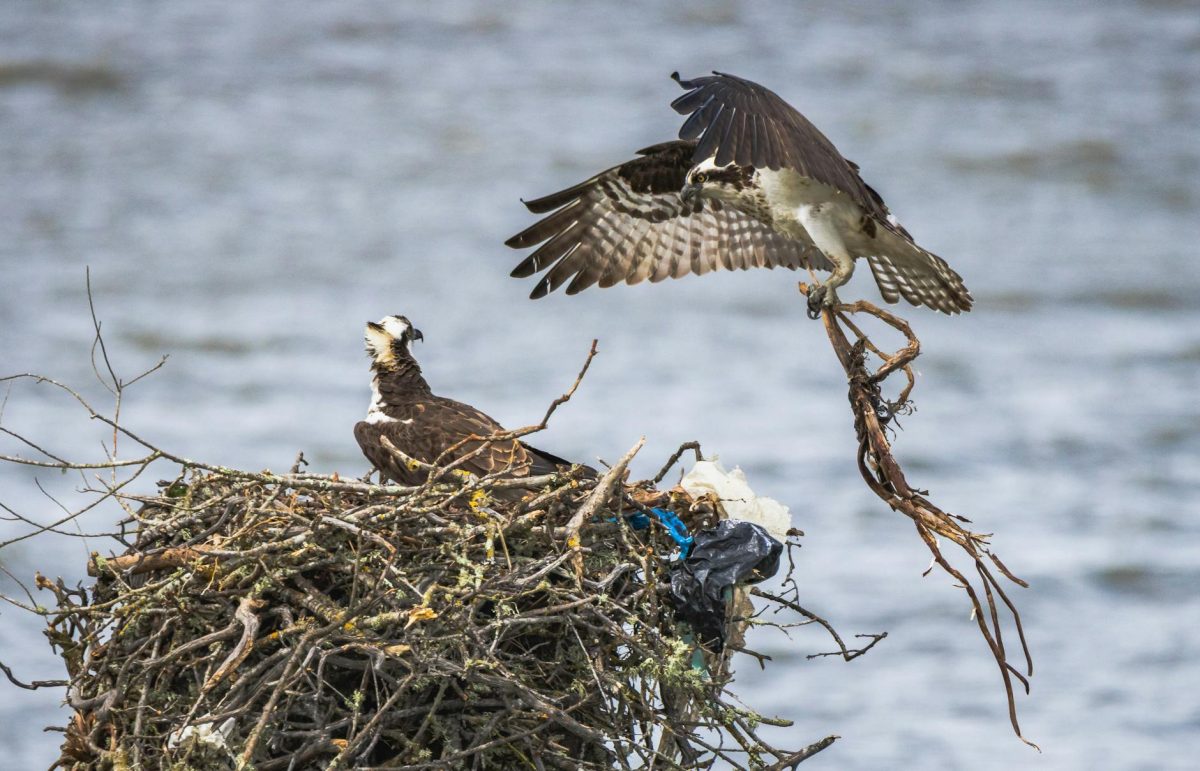
Bird poaching and habitat destruction are significant threats to our avian population. In Britain, protected birds of prey continue to fall victim to shooters, trappers, and poisoners. If you're passionate about wildlife conservation and want to make a difference, this guide will show you how to protect birds from poachers and predators in 10 simple steps.
Step 1: Identify And Report Bird Of Prey Sightings
Use the RSPB's Bird Crime Reporting Tool to report any suspicious activities or sightings of injured or dead birds of prey. This crucial information helps conservationists track and prevent bird poaching. Be sure to provide as much detail as possible, including location, date, and time of the sighting.
Step 2: Support Conservation Efforts
Donate to reputable organizations like the RSPB or the Wildlife Trusts, which work tirelessly to protect birds and their habitats. Consider volunteering your time or skills to help with conservation projects, such as habitat restoration or bird monitoring.
Step 3: Spread Awareness About Bird Poaching
Share articles and videos about the devastating impact of bird poaching on social media, using hashtags like #BirdPoaching and #WildlifeConservation. Encourage friends and family to join the conversation and support conservation efforts.
Step 4: Support Sustainable Land Use Practices
Advocate for sustainable land use practices that prioritize bird conservation and habitat preservation. This may involve supporting local farmers who adopt environmentally friendly methods or promoting policies that protect natural habitats.
Step 5: Learn About Bird Behavior And Habitat Requirements
Study the behavior and habitat requirements of different bird species to better understand their needs and vulnerabilities. This knowledge will help you identify potential threats and develop effective conservation strategies.
Step 6: Create Bird-Friendly Habitats
Transform your garden or outdoor space into a bird-friendly habitat by planting native vegetation, installing birdhouses, and providing food sources. This will provide a safe haven for birds and support local bird populations.
Step 7: Use Bird-Deterrent Methods Safely And Responsibly
Use bird-deterrent methods, such as netting or visual deterrents, to safely and responsibly protect crops or property. Be sure to follow local regulations and guidelines to avoid harming birds or other wildlife.
Step 8: Participate In Bird Monitoring And Research
Join citizen science projects or participate in bird monitoring and research initiatives to help scientists and conservationists better understand bird behavior and population dynamics. This information will inform effective conservation strategies.
Step 9: Support Anti-Poaching Laws And Enforcement
Advocate for stronger anti-poaching laws and enforcement in your local community. Support organizations that work to combat wildlife crime and promote animal welfare.
Step 10: Stay Informed And Engaged
Stay up-to-date with the latest news and research on bird poaching and conservation. Engage with local communities, conservation organizations, and government agencies to ensure that your voice is heard and your actions make a meaningful impact.
Remember, every small action counts, and collective efforts can lead to significant positive change. By working together, we can protect birds from poachers and predators and preserve the beauty and diversity of our natural world.
By following these 10 steps, you'll be well on your way to making a meaningful difference in the lives of birds and their habitats. Remember to stay informed, engaged, and passionate about wildlife conservation, and inspire others to join you in this critical mission.