Britain's Protected Birds of Prey Still Being Shot, Trapped, and Poisoned, Says RSPB

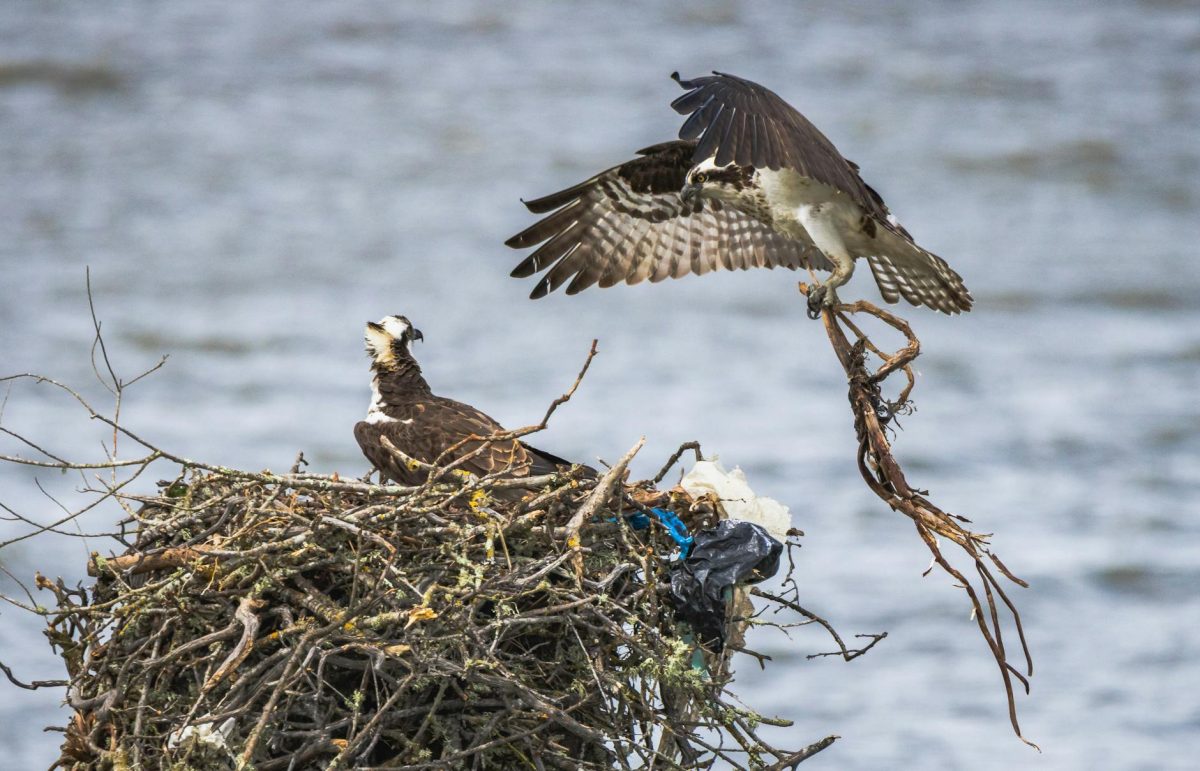
The Royal Society for the Protection of Birds (RSPB) has reported that protected birds of prey in the UK are still being shot, trapped, and poisoned, with more than half of the attacks taking place on or near land managed for game shooting.
Attacks on Protected Birds of Prey Continue to Rise
The RSPB has reported that between 2013 and 2020, there were 1,111 confirmed incidents of birds of prey being shot, trapped, or poisoned in the UK. This represents a rise of 27% compared to the previous decade. The charity attributes the increase to the growing pressure on land managed for game shooting, where birds of prey are often seen as a threat to game bird populations. According to the RSPB, the majority of the attacks occurred on or near land managed for game shooting, with 56% of the incidents happening in these areas. The charity has also reported that the most common victims of these attacks are peregrine falcons, golden eagles, and red kites. These birds are all protected under the Wildlife and Countryside Act 1981, making it an offense to intentionally kill or injure them.
Why the Persecution of Birds of Prey Matters
The persecution of birds of prey has significant implications for the UK's ecosystem and biodiversity. These birds play a crucial role in maintaining the balance of nature, and their loss can have a ripple effect throughout the food chain. Furthermore, the continued persecution of these birds undermines the UK's commitment to protecting wildlife and the environment. The RSPB's report highlights the need for greater action to be taken to protect these birds and their habitats. This includes the implementation of stricter laws and regulations, as well as increased enforcement and education efforts. The charity also calls for greater transparency and accountability from the game shooting industry, which has been accused of contributing to the persecution of birds of prey. Ultimately, the protection of birds of prey is essential for maintaining the health and diversity of the UK's ecosystem.


“The RSPB is deeply concerned about the ongoing persecution of birds of prey in the UK. The fact that more than half of the attacks are happening on or near land managed for game shooting is a damning indictment of the industry's treatment of these magnificent birds." - Martin Harper, Director of Conservation at the RSPB”
What We Don't Know Yet
While the RSPB's report provides a damning indictment of the persecution of birds of prey, there are still many questions that remain unanswered. For example, how much of the persecution is driven by the game shooting industry, and how can this be addressed? What measures can be taken to increase enforcement and education efforts, and how can the public be engaged in the protection of these birds? Furthermore, what role can technology play in monitoring and preventing the persecution of birds of prey? The answers to these questions will require further investigation and research, but one thing is clear: the protection of birds of prey is a complex and pressing issue that requires immediate attention.
Key Takeaways
- The RSPB has reported 1,111 confirmed incidents of birds of prey being shot, trapped, or poisoned in the UK between 2013 and 2020.
- The majority of the attacks occurred on or near land managed for game shooting, where 56% of the incidents happened.
- The most common victims of these attacks are peregrine falcons, golden eagles, and red kites.
- The persecution of birds of prey has significant implications for the UK's ecosystem and biodiversity.
- The RSPB is calling for greater action to be taken to protect these birds and their habitats.
What to Watch
The RSPB's report is a call to action for the UK government and the game shooting industry to take greater responsibility for the protection of birds of prey. In the coming weeks and months, we can expect to see increased calls for greater action to be taken to address the persecution of these birds. The game shooting industry will likely face increased scrutiny and pressure to reform its practices, and the UK government will be under pressure to implement stricter laws and regulations. In addition, the public will be encouraged to get involved in the protection of birds of prey, through initiatives such as citizen science projects and conservation efforts. As the situation continues to unfold, it will be essential to stay vigilant and continue to push for greater action to be taken to protect these magnificent birds.
The peregrine falcon is the fastest member of the animal kingdom, reaching speeds of up to 242 mph during its characteristic hunting dive.
The protection of birds of prey is a critical issue that requires the concerted efforts of the UK government, the game shooting industry, and the public. By working together, we can ensure the long-term survival of these magnificent birds and the ecosystems they inhabit. Ultimately, the fate of these birds is a reflection of our values and priorities as a society, and it is up to us to take action to protect them.