How To Stay Safe In Areas Affected By Conflict Zones
Protect yourself and your loved ones from the risks associated with war zones and terrorist activities
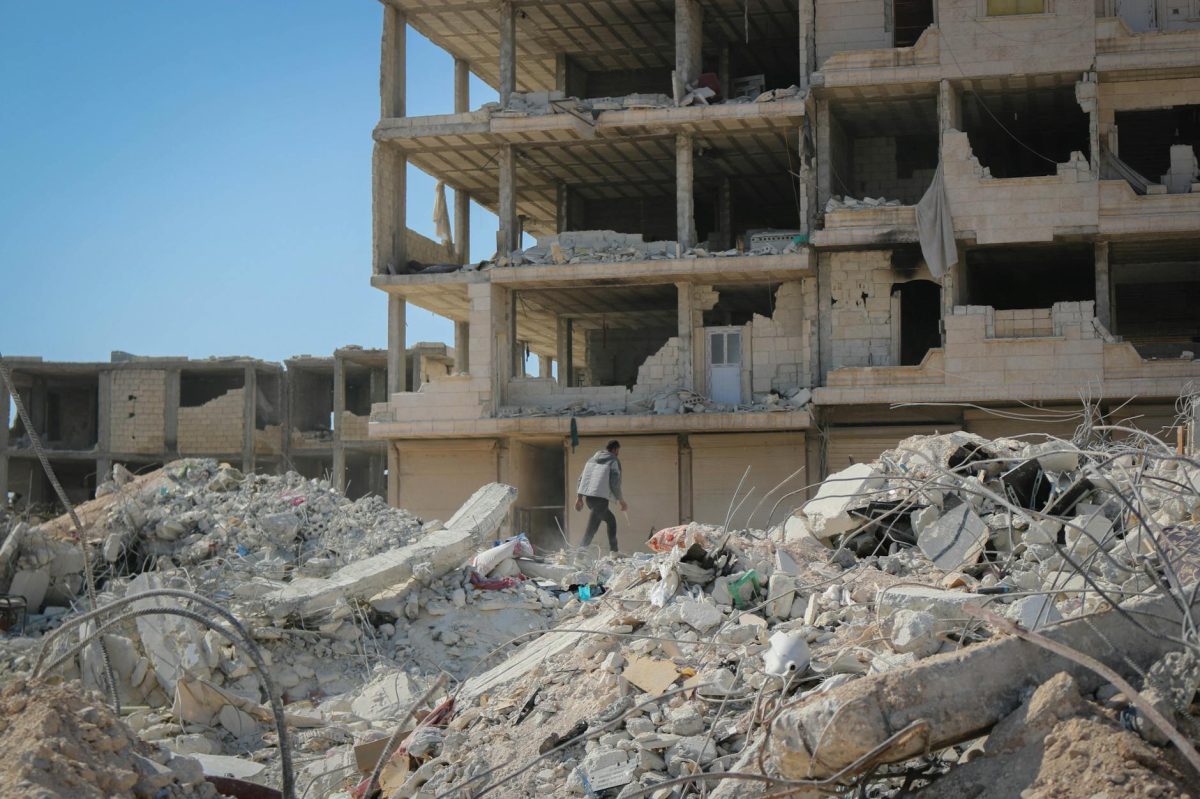
With the increasing threat of terrorism and conflict zones around the world, it's essential to know how to stay safe while traveling or living in areas affected by war. In this guide, we'll provide you with practical tips on how to minimize your risk and keep yourself and your loved ones secure. Follow these steps to stay safe in areas affected by conflict zones.
Step 1: **Monitor Local News and Government Alerts**
Stay informed about the current situation in the area by monitoring local news, government alerts, and travel advisories. Check websites like the US Department of State's Travel Advisory website or the UK Government's Travel Advice website for updates on the safety situation. You can also download apps like SafeTravel or TravelSafe to receive alerts on your phone.
Step 2: **Create an Emergency Plan**
Develop a comprehensive emergency plan that includes evacuation routes, emergency contact numbers, and a meeting point in case you get separated. Make sure all family members know the plan and can quickly recall essential information. Consider investing in a GPS tracking device or a personal locator beacon (PLB) for added safety.
Step 3: **Be Aware of Your Surroundings**
Pay attention to your environment and avoid areas with high risk of violence or terrorist activity. Stay away from crowded areas, government buildings, and sensitive infrastructure. Use a reliable mapping app like Google Maps or MapQuest to navigate unfamiliar areas and stay aware of potential hotspots.
Step 4: **Build a Support Network**
Connect with locals, expats, or fellow travelers who can provide valuable insights and support. Join online forums, social media groups, or local clubs to build relationships and stay informed. Consider investing in a personal safety device like a smartwatch or a wearable alarm system to alert authorities in case of an emergency.
Step 5: **Stay Connected and Accessible**
Make sure you have a reliable means of communication, such as a satellite phone or a portable Wi-Fi hotspot. Keep essential contact numbers and documents easily accessible, such as your passport, ID, and health insurance card. Consider investing in a portable power bank to keep your devices charged in case of a power outage or emergency.
Always prioritize your safety and the safety of those around you. If you're unsure about the safety of an area or situation, trust your instincts and take necessary precautions or seek advice from local authorities or experts.
By following these steps, you'll be better equipped to stay safe in areas affected by conflict zones. Remember to stay informed, be aware of your surroundings, and build a support network to minimize your risk. Don't wait until it's too late – take action today to protect yourself and your loved ones.