How To Prepare For A Global Shipping Crisis In 5 Steps
Protect your business and investments from disruptions like the Strait of Hormuz blockade by following this comprehensive guide
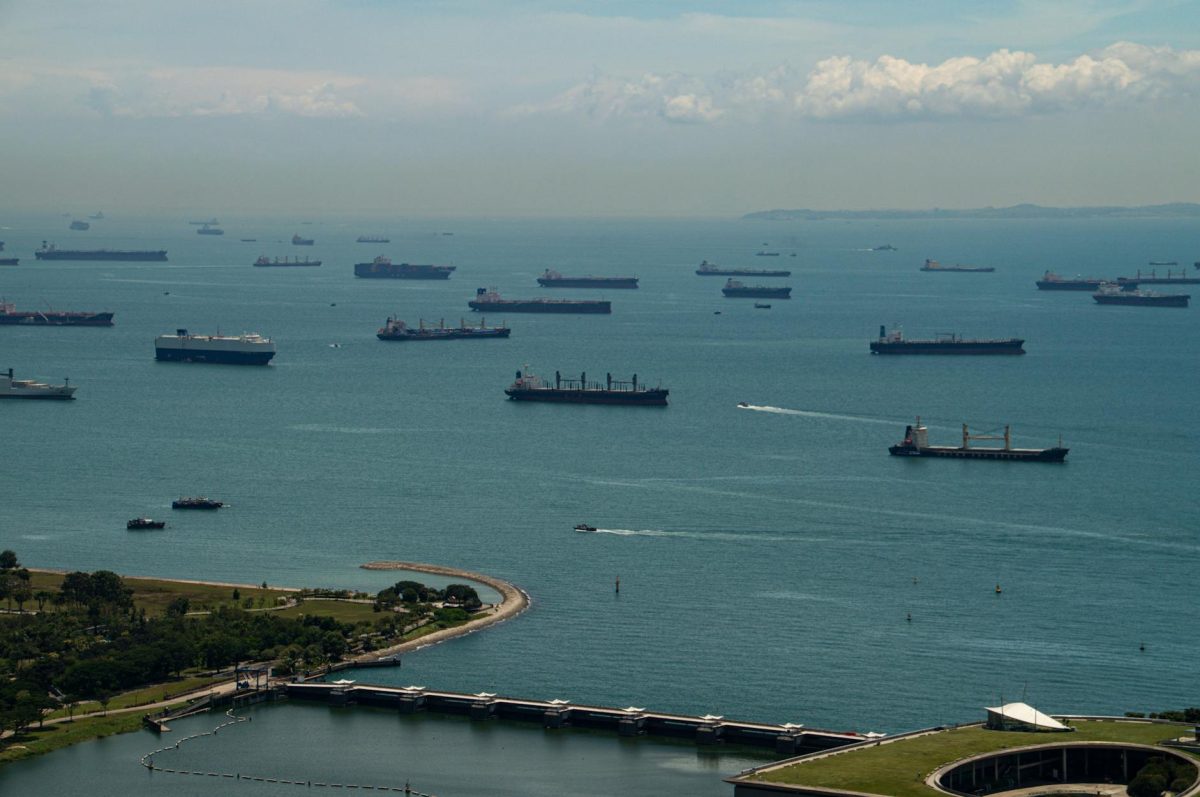
Are you worried about the potential disruptions to global shipping routes? The recent blockade of the Strait of Hormuz by Iran has raised concerns about the stability of international supply chains. In this guide, you'll learn how to prepare your business and investments for a global shipping crisis in just 5 steps.
Step 1: **Monitor Shipping Route Disruptions**
To stay informed about potential disruptions to global shipping routes, follow reputable sources such as the United Nations Conference on Trade and Development (UNCTAD) and the World Shipping Council. Use online tools like the MarineTraffic app (iOS, Android) to track vessel movements and get real-time updates on shipping route changes. You can also set up alerts on the website of the International Maritime Organization (IMO) to receive notifications about potential disruptions.
Step 2: **Diversify Your Supply Chain**
To minimize the impact of a global shipping crisis, diversify your supply chain by sourcing materials and products from multiple countries and suppliers. Use online platforms like Tradekey or Alibaba to find alternative suppliers and negotiate better prices. You can also consider investing in local production facilities to reduce reliance on international shipping.
Step 3: **Develop Business Continuity Plans**
In case of a global shipping crisis, having a business continuity plan in place can help you minimize losses and maintain operations. Update your emergency response plan to include procedures for handling shipping disruptions, and identify alternative suppliers and distribution channels. Use online templates like the Business Continuity Planning (BCP) template from the American Red Cross to create a comprehensive plan.
Step 4: **Build an Emergency Fund**
To weather the financial storm of a global shipping crisis, build an emergency fund to cover unexpected expenses and losses. Aim to save at least 3-6 months' worth of operating expenses in a separate, easily accessible account. Use online budgeting tools like Mint or Personal Capital to track your expenses and create a budget that allocates funds for unexpected events.
Step 5: **Stay Informed and Adaptable**
To stay ahead of the game, stay informed about the latest developments in global shipping and be prepared to adapt your plans accordingly. Use online resources like the World Shipping Council's newsletter and the International Maritime Organization's website to stay up-to-date on the latest news and regulations. Be prepared to adjust your business strategy as needed to respond to changing circumstances.
Don't wait until it's too late - start preparing for a global shipping crisis today by identifying potential risks and developing strategies to mitigate them. Consider consulting with a logistics expert or attorney to ensure you're taking the right steps to protect your business.
By following these 5 steps, you can prepare your business and investments for a global shipping crisis and minimize the risks associated with shipping route disruptions. Stay informed, adapt to changing circumstances, and take proactive steps to protect your interests. Next, review your emergency response plan and update it to reflect the latest developments in global shipping.