EU Nations Move Towards Sanctioning Iran Over Hormuz Blockade

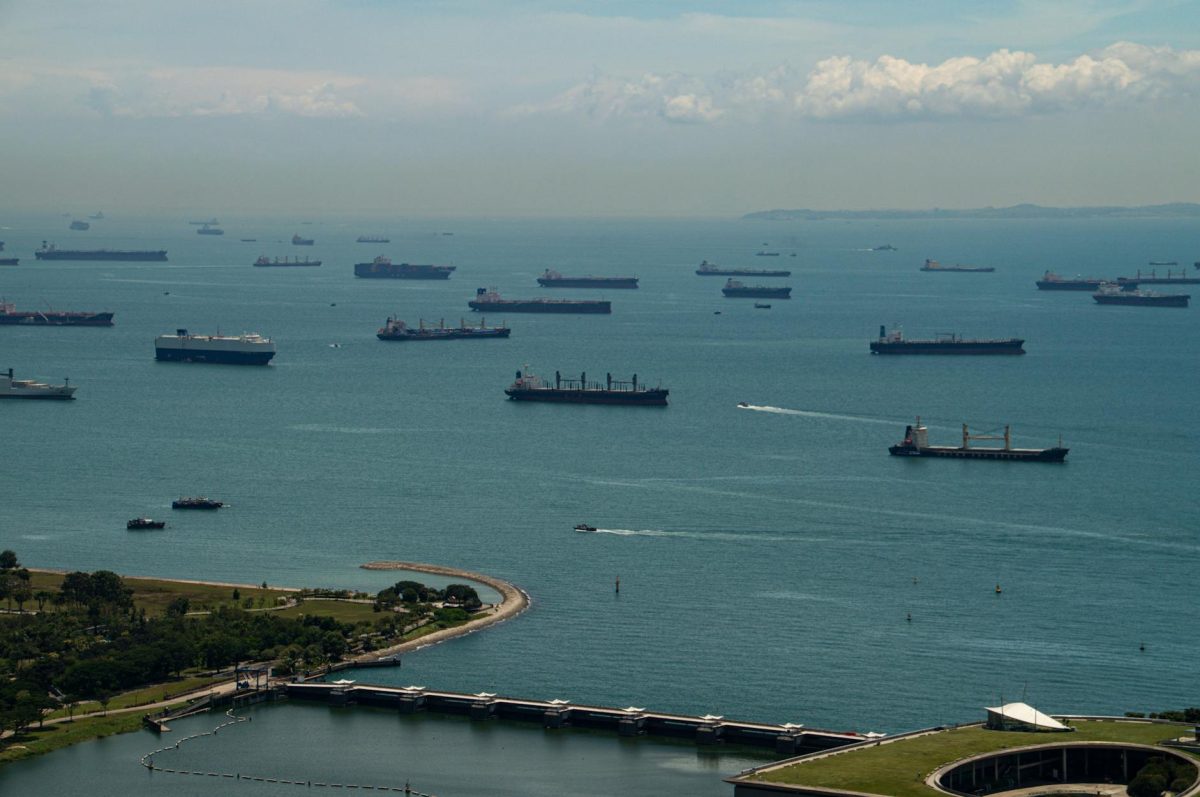
The European Union nations moved on Friday towards imposing sanctions on Iranian officials and others responsible for blocking the Strait of Hormuz, a crucial shipping route that connects the Persian Gulf to the Gulf of Oman. This move is significant because the Strait of Hormuz is a vital artery for global oil supplies, with around 20% of the world's oil exports passing through it. The blockade has already caused disruptions to global oil markets, and the EU's proposed sanctions are likely to escalate tensions in the region. As a result, the international community is closely watching this situation, and the EU's decision will have far-reaching implications for global energy markets and regional security.
EU Nations Consider Sanctions Over Hormuz Blockade
According to the European Union, its member states agreed on Friday to move forward with imposing sanctions on Iranian officials and others responsible for blocking the Strait of Hormuz. The decision was made after a meeting of EU foreign ministers in Brussels. The sanctions are expected to target individuals and entities involved in the blockade, including Iranian military officials and entities that have supported the blockade. Account to News24, the EU said it will work with the United States and other international partners to impose the sanctions. The European Union's decision to impose sanctions is a response to the Iranian government's decision to block the Strait of Hormuz, which has caused disruptions to global oil markets and raised concerns about regional security. The blockade has also caused economic losses for countries that rely on the Strait of Hormuz for their oil imports, including Japan, South Korea, and China. The Strait of Hormuz is a narrow waterway, only about 21 miles long and 2 miles wide, making it a critical chokepoint for global oil supplies. The decision to impose sanctions is also seen as a way for the European Union to demonstrate its commitment to maintaining the free flow of oil through the Strait of Hormuz, which is essential for global energy markets.
Why the Hormuz Blockade Matters
The Hormuz blockade has significant implications for global energy markets and regional security. The blockade has already caused disruptions to oil supplies, and the EU's proposed sanctions are likely to escalate tensions in the region. The International Energy Agency (IEA) has warned that a protracted closure of the Strait of Hormuz could lead to a global oil shortage, with serious consequences for the global economy. The blockade has also raised concerns about regional security, with the possibility of a wider conflict between Iran and its neighbors in the Middle East. The EU's decision to impose sanctions is also seen as a way to protect the interests of its member states, which rely heavily on the Strait of Hormuz for their oil imports. The EU's sanctions are likely to target Iranian officials and entities that have supported the blockade, including the Iranian Revolutionary Guard Corps (IRGC). The IRGC is a powerful military force in Iran that has been involved in various conflicts in the region, including the Syrian civil war. The EU's decision to target the IRGC is seen as a way to pressure the Iranian government to end the blockade and engage in diplomatic talks with its neighbors. The blockade has also raised concerns about the safety of oil tankers and shipping vessels that pass through the Strait of Hormuz. The United States has already deployed military assets to the region to protect shipping vessels from Iranian attacks. The EU's decision to impose sanctions is likely to further escalate tensions in the region and raise concerns about regional security. However, the EU's decision is also seen as a way to pressure the Iranian government to end the blockade and engage in diplomatic talks with its neighbors.


What We Don't Know Yet
Despite the EU's decision to impose sanctions, there are still many questions about the Hormuz blockade and its implications for global energy markets and regional security. One of the key questions is whether the Iranian government will comply with the EU's sanctions and end the blockade. The Iranian government has already announced that it will not comply with the EU's sanctions, and has vowed to continue the blockade until its demands are met. The EU's decision to impose sanctions is also seen as a way to pressure the Iranian government to engage in diplomatic talks with its neighbors. However, the Iranian government has shown little willingness to engage in talks with its neighbors, and has instead focused on strengthening its military presence in the region. The blockade has also raised concerns about the safety of oil tankers and shipping vessels that pass through the Strait of Hormuz. The United States has already deployed military assets to the region to protect shipping vessels from Iranian attacks, but the safety of oil tankers remains a concern. Despite the EU's decision to impose sanctions, there are still many questions about the Hormuz blockade and its implications for global energy markets and regional security. The situation remains fluid, and it is unclear how the crisis will be resolved. One thing is certain, however: the Hormuz blockade has already caused significant disruptions to global oil markets, and the EU's sanctions are likely to further escalate tensions in the region.
What to Watch
The situation in the Middle East is highly fluid, and there are many factors that will influence the outcome of the Hormuz blockade crisis. One key factor to watch is the Iranian government's response to the EU's sanctions. The Iranian government has already announced that it will not comply with the EU's sanctions, and has vowed to continue the blockade until its demands are met. The Iranian government may try to find ways to circumvent the EU's sanctions, such as using proxy forces or other means to continue the blockade. The EU's sanctions are also likely to have a significant impact on the Iranian economy, which is already experiencing significant economic difficulties. The Iranian government may try to use the sanctions as a pretext to crack down on dissent and opposition within the country. The situation in the Middle East is highly complex, and there are many factors that will influence the outcome of the Hormuz blockade crisis. One thing is certain, however: the crisis will have significant implications for global energy markets and regional security.