Is a French Aircraft Carrier Mission to Hormuz as Serious as Everyone Says?

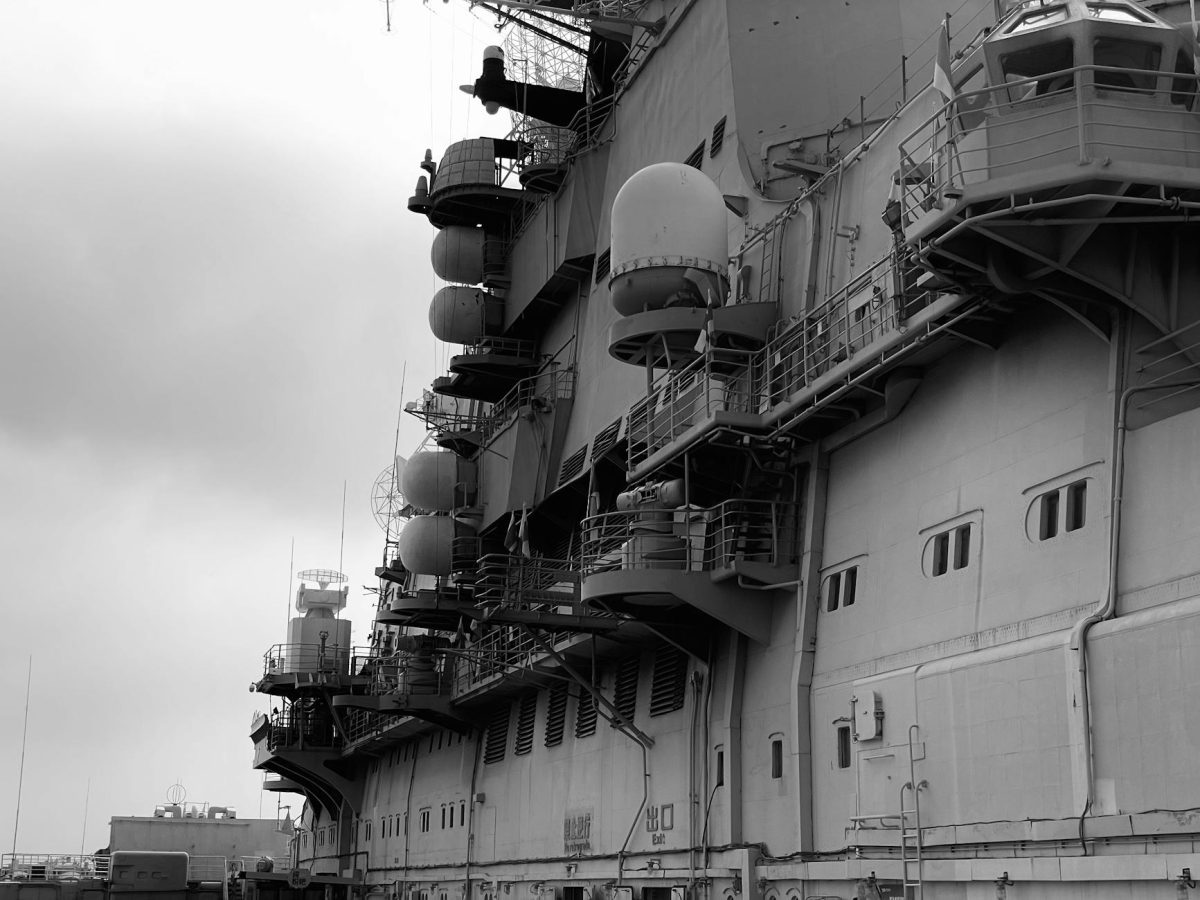
The French aircraft carrier Charles de Gaulle is on its way to the southern Red Sea, where it will pre-position for a possible mission to restore navigation in the Strait of Hormuz. This development comes as tensions in the region remain high, and the global economy is heavily reliant on the safe passage of oil tankers through the strait.
WHAT HAPPENED
According to a statement from the French Ministry of the Armed Forces, the Charles de Gaulle is currently heading towards the southern Red Sea to pre-position for a possible mission to restore navigation in the Strait of Hormuz. The aircraft carrier was on Wednesday in the Gulf of Aden, where it had been conducting a routine deployment in the region. The ship will now move to the southern Red Sea, where it will be positioned to respond quickly to any potential threats to navigation in the Strait of Hormuz. Account to the French Ministry of the Armed Forces revealed that the pre-positioning of the Charles de Gaulle is a precautionary measure, aimed at ensuring the safety of French and international shipping in the region. The Strait of Hormuz is a critical waterway, through which approximately 20% of the world's oil passes, and any disruption to navigation in the strait could have significant consequences for the global economy. The French government has not specified what specific threats it is responding to, but the pre-positioning of the aircraft carrier is widely seen as a sign of France's commitment to maintaining stability in the region.
WHY IT MATTERS
The pre-positioning of the Charles de Gaulle in the southern Red Sea is a significant development, with implications for the global economy and international relations. The Strait of Hormuz is a critical waterway, through which approximately 20% of the world's oil passes. Any disruption to navigation in the strait could have significant consequences for the global economy, including increased oil prices and supply chain disruptions. The Strait of Hormuz is also a key transit point for international trade, with the passage of oil tankers and other vessels through the strait playing a critical role in the global economy. The pre-positioning of the Charles de Gaulle is a sign of France's commitment to maintaining stability in the region, and its willingness to take action to protect the safety of French and international shipping. This development is likely to be closely watched by other countries in the region, and could have implications for international relations and global security.

“The pre-positioning of the Charles de Gaulle is a precautionary measure, aimed at ensuring the safety of French and international shipping in the region. We are committed to maintaining stability in the region, and will take all necessary measures to protect the safety of our citizens and the safety of shipping in the Strait of Hormuz.”
WHAT WE DON'T KNOW YET
While the pre-positioning of the Charles de Gaulle is a significant development, there are still many questions that remain unanswered. The French government has not specified what specific threats it is responding to, or what potential threats may be posed by the pre-positioning of the aircraft carrier. The exact timing and nature of any potential mission to restore navigation in the Strait of Hormuz is also unclear. Additionally, the impact of the pre-positioning of the Charles de Gaulle on international relations and global security is still uncertain. It is also unclear what role other countries in the region may play in any potential mission to restore navigation in the Strait of Hormuz.
WHAT TO WATCH
In the coming days and weeks, there are several key developments to watch in relation to the pre-positioning of the Charles de Gaulle. The United States, the United Kingdom, and other countries in the region may also take action to respond to any potential threats to navigation in the Strait of Hormuz. The impact of the pre-positioning of the Charles de Gaulle on international relations and global security will also be closely watched. Additionally, the exact timing and nature of any potential mission to restore navigation in the Strait of Hormuz will be closely monitored. The French government will also continue to provide updates on the mission and the activities of the Charles de Gaulle.
Despite being a critical waterway, the Strait of Hormuz is just 21 miles wide at its narrowest point, making it a highly congested and vulnerable shipping lane.
The pre-positioning of the Charles de Gaulle in the southern Red Sea is a significant development, with implications for the global economy and international relations. While the exact timing and nature of any potential mission to restore navigation in the Strait of Hormuz is unclear, one thing is certain: the stability of the region is of critical importance to the global economy and international security.