How To Safely Drive Through Flooded Roads This Season
Stay Safe and Avoid Disastrous Confrontations with Standing Water on the Road
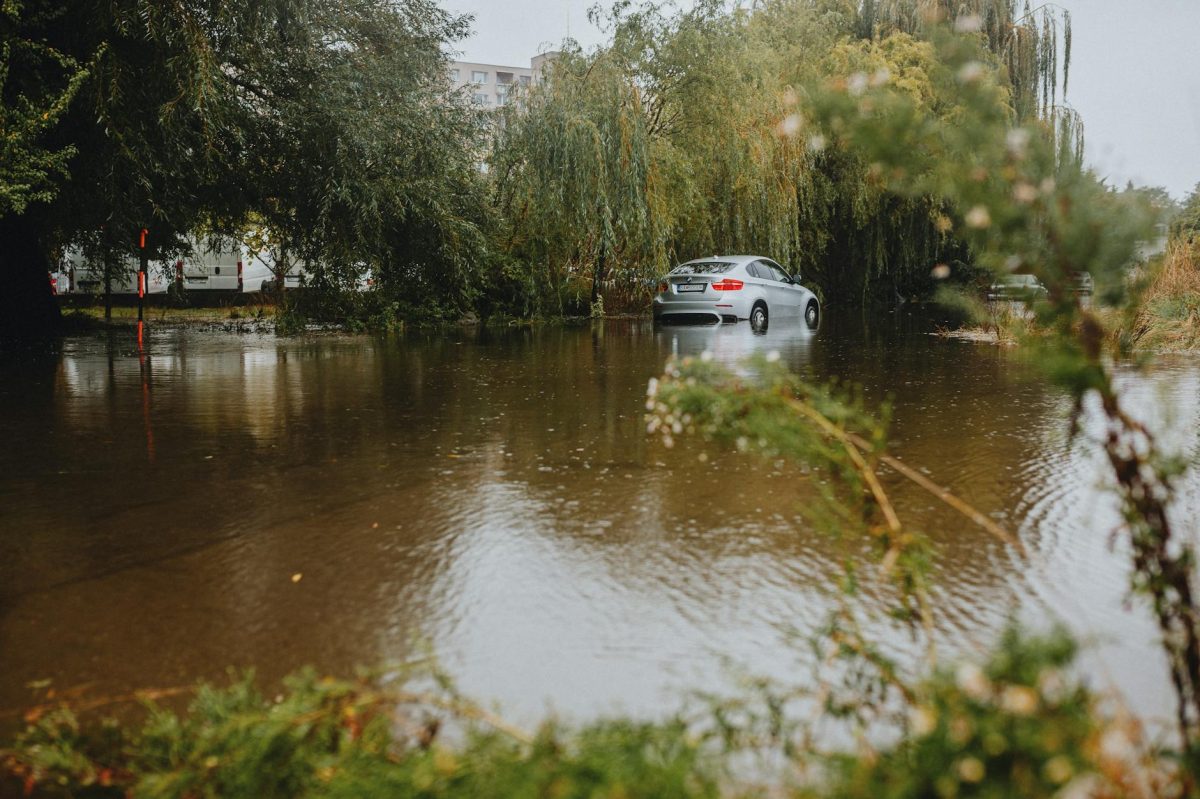
Have you ever found yourself facing a flooded road, unsure of the best course of action? Driving through flooded roads can be a serious safety risk, and even the most experienced drivers may struggle to navigate these situations. In this guide, we'll provide you with 7 practical tips to help you stay safe and avoid disastrous confrontations with standing water on the road.
Step 1: **Assess** the Road Conditions
Before attempting to drive through a flooded road, assess the situation carefully. Look for warning signs, and check if there are any alternative routes available. If the road is flooded, try to find a safe place to turn back and avoid the area altogether. Use tools like Google Maps or Waze to get real-time traffic updates and identify potential hazards.
Step 2: **Check** the Depth of the Water
If you must drive through a flooded road, check the depth of the water first. Look for markers or signs that indicate the water level, or use a stick or pole to measure the depth. As a general rule, if the water is above the hubcaps of your vehicle, it's too deep to risk driving through. Additionally, avoid driving through fast-moving or deep water, as this can cause your vehicle to lose traction or stall.
Step 3: **Maintain** a Safe Speed
When driving through flooded roads, maintain a safe speed to avoid losing control of your vehicle. Slow down and use low gear to maintain traction, especially if you're driving a rear-wheel drive vehicle. Keep in mind that flooded roads can be slippery, so be prepared to stop suddenly if needed. Consider using a speed limiter or cruise control to help you maintain a consistent speed.
Step 4: **Avoid** Sudden Movements
When driving through flooded roads, avoid making sudden movements, as this can cause your vehicle to hydroplane or lose traction. Keep a safe distance from other vehicles and pedestrians, and be prepared to stop suddenly if needed. Use your hazard lights to alert other drivers of your presence, and consider using a spotter to help you navigate the area.
Step 5: **Keep** Essential Items Handy
In case you become stranded or experience car trouble while driving through flooded roads, keep essential items handy. This may include a first aid kit, a spare tire, and a battery pack. Consider keeping a portable charger and a phone in a waterproof case, as these can be lifesavers in an emergency situation.
Step 6: **Stay** Informed
Stay informed about weather conditions and road closures before and during your journey. Use tools like the National Weather Service or a weather app to get real-time updates on weather conditions and flood warnings. Additionally, check for road closures and alternative routes on websites like Google Maps or Waze.
Step 7: **Seek** Help When Necessary
If you're unsure about driving through a flooded road or experience car trouble, don't hesitate to seek help. Call a tow truck or roadside assistance service, or seek help from a local authority or emergency services. Remember, it's always better to err on the side of caution and prioritize your safety when driving through flooded roads.
Be prepared for the unexpected by keeping a roadside emergency kit in your vehicle. This should include essentials like a spare tire, a first aid kit, and a battery pack. Consider also keeping a portable charger and a phone in a waterproof case, as these can be lifesavers in an emergency situation.
By following these 7 practical tips, you can stay safe and avoid disastrous confrontations with standing water on the road. Remember to always err on the side of caution, and prioritize your safety above all else. If you're unsure about driving through a flooded road, don't hesitate to seek help. You've taken the first step towards staying safe on the roads – now it's time to put these tips into practice!