Waymo Halts Robotaxis in Five US Cities After Cars Drive into Flooded Roads

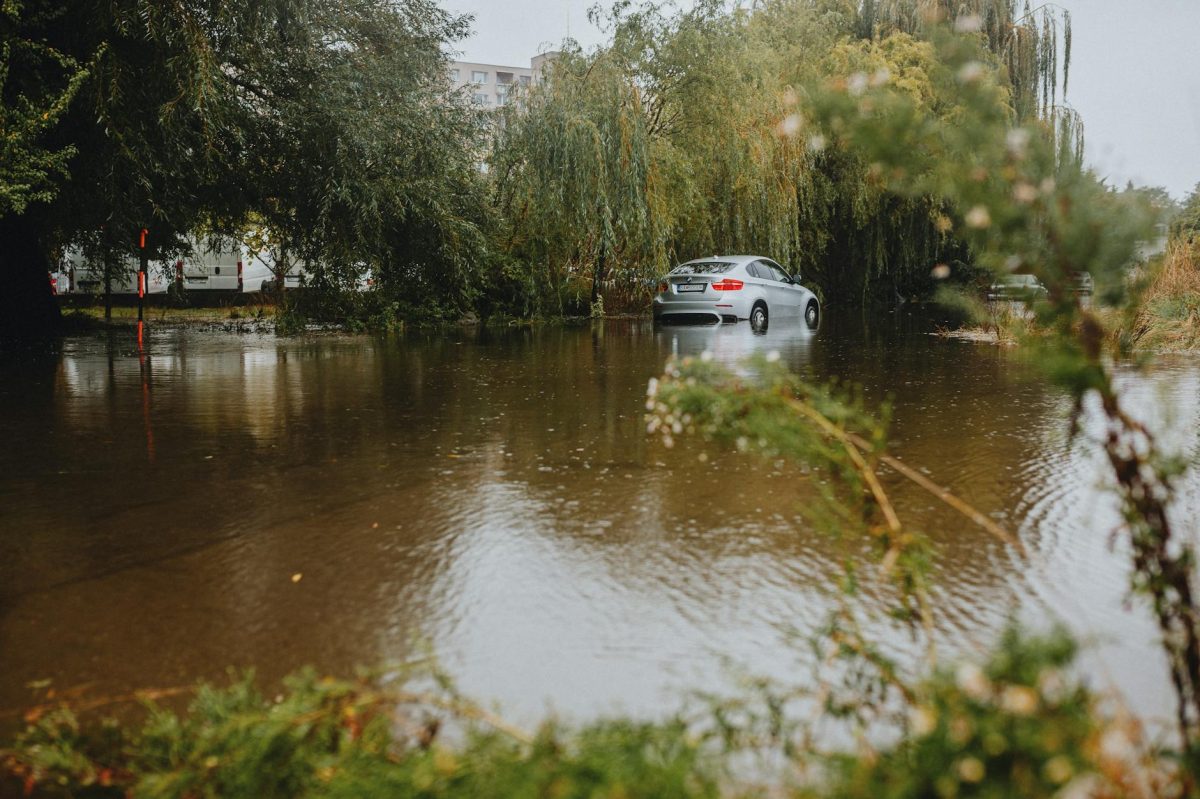
Waymo has paused its robotaxi service in five US cities after its autonomous vehicles drove into flooded roads. This move raises concerns about the safety of self-driving cars in adverse weather conditions. The pause affects thousands of passengers who rely on the service for daily commutes and other trips.
Waymo Expands Temporary Pause After Robotaxis Encounter Flooded Roads
According to a Waymo spokesperson, the company has expanded the temporary pause in its robotaxi service in five US cities out of an abundance of caution. The move comes after several incidents where Waymo's autonomous vehicles drove into flooded roads, highlighting the need for improved safety features in self-driving cars. As of now, the pause affects the cities of Phoenix, San Francisco, Atlanta, Austin, and Seattle. The exact number of affected passengers is unclear, but thousands are expected to be impacted by the service disruption. The company has not disclosed the exact number of incidents involving flooded roads, but a Waymo spokesperson acknowledged that the issue is a
Safety Concerns and Broader Implications
The Waymo pause highlights the ongoing challenges of deploying self-driving cars in adverse weather conditions. While autonomous vehicles have made significant progress in recent years, they still struggle with navigating complex scenarios such as flooded roads, heavy rain, and snow. The lack of human judgment and experience can lead to mistakes in these situations. The pause also raises questions about the safety of passengers who rely on self-driving cars for daily commutes and other trips. The reliance on technology can create a false sense of security. In addition, the pause may have implications for the broader adoption of self-driving cars in cities and towns across the US. Cities may need to develop new safety protocols and regulations to ensure that autonomous vehicles can safely operate in a variety of weather conditions. The pause may also have implications for the development of self-driving cars in other industries such as logistics and transportation. The need for improved safety features may slow down the development of these vehicles.

“We take the safety of our passengers and the public very seriously, and we are taking all necessary precautions to ensure that our robotaxis are not put back into service until the roads are deemed safe.”
What We Don't Know Yet
Despite the pause, many questions remain about the safety of Waymo's robotaxis in flooded roads. What specific safety features are being improved or added to address the issue? The company has not disclosed the exact number of incidents involving flooded roads, nor has it provided details on the exact nature of these incidents. What role did human error play in these incidents? The pause also raises questions about the broader implications for the adoption of self-driving cars in cities and towns across the US. How will cities and towns develop new safety protocols and regulations to ensure safe operation of autonomous vehicles?
What to Watch
In the coming days and weeks, several key developments will be worth monitoring. Waymo's safety protocols and regulations: The company will need to develop and implement new safety protocols and regulations to ensure that its robotaxis can safely operate in flooded roads. The development of new safety features: Waymo will need to develop and add new safety features to its robotaxis to address the issue of flooded roads. The broader implications for self-driving cars: The pause may have implications for the adoption of self-driving cars in cities and towns across the US. The role of human error: The company will need to investigate the role of human error in the incidents involving flooded roads and develop strategies to mitigate these risks. The pause is expected to last several days to several weeks, depending on the outcome of these developments.
Interestingly, some autonomous vehicles are actually designed to drive into flooded roads, as part of their testing and validation protocols, in order to assess their ability to navigate complex scenarios and ensure their safety in emergency situations.
The Waymo pause is a reminder that self-driving cars are not yet perfect and that there is still much work to be done to ensure their safe operation. While the pause may be inconvenient for passengers, it is a necessary step towards developing safer and more reliable autonomous vehicles.