Iranian Civilians Receive Defence Training in Mosques, Multiple Cities

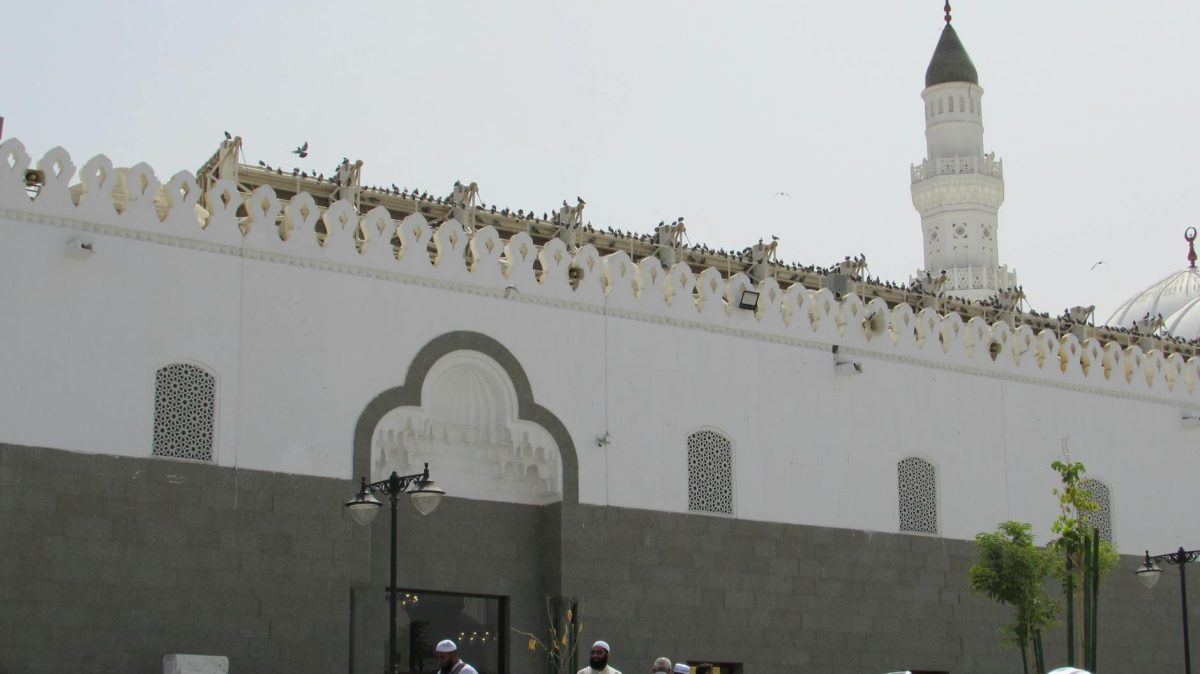
Defence training sessions on light weapons have been held for Iranian men and women in mosques across several cities. This development is significant because it marks a shift in the country's approach to community safety and self-defence. Iranian civilians are now being trained to handle light weapons, a move that could have far-reaching implications for the country's security and social dynamics.
Mosque-Based Defence Training Sessions Roll Out Across Iran
According to a report by the Iranian state-run news agency, the defence training sessions were held in several mosques across the country. The training sessions were open to both men and women, with the aim of empowering citizens to protect themselves and their communities. The sessions focused on the use of light weapons, such as pistols and rifles, and were conducted by trained instructors. Iranian authorities claim that the training sessions are part of a broader effort to promote community safety and self-defence. As reported by the Iranian state-run news agency, Fars News, the training sessions were well-received by participants, with many expressing gratitude for the opportunity to learn new skills. One participant, who wished to remain anonymous, told Fars News, 'I feel more confident knowing how to handle a weapon. This training has given me a sense of security that I didn't have before.'
Empowering Communities: The Broader Implications of Iran's Defence Training Initiative
The Iranian government's decision to provide defence training to civilians has significant implications for the country's social dynamics and security landscape. By empowering citizens to protect themselves and their communities, the government is addressing a long-standing concern about public safety. The training initiative also reflects a shift in the country's approach to self-defence, with a greater emphasis on community-led initiatives. This move could potentially lead to a reduction in crime rates and an increase in community cohesion. Furthermore, the training initiative may also have implications for the country's military and law enforcement agencies, which could be re-evaluating their strategies in light of the new community-led approach to self-defence. By arming civilians, the government is also acknowledging the need for a more proactive approach to security, one that involves the entire community rather than relying solely on state institutions.
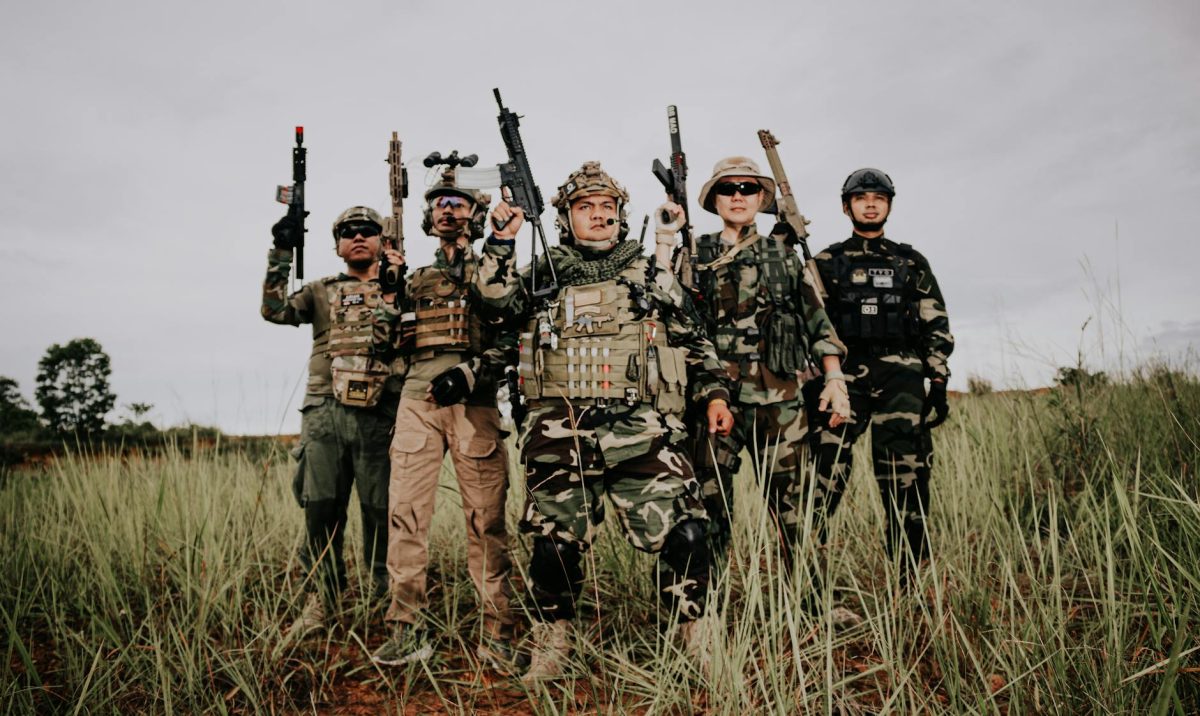
“Iran's Defence Minister, Brigadier General Amir Hatami, said in a statement that the training sessions were aimed at 'empowering citizens to protect themselves and their communities.'”
What We Don't Know Yet: The Uncertainties Surrounding Iran's Defence Training Initiative
While the Iranian government's defence training initiative has the potential to transform the country's security landscape, there are several uncertainties surrounding the program. One of the key questions is the extent to which the training sessions will be accessible to all citizens, particularly in rural areas. Another concern is the potential for the training initiative to be exploited by extremist groups or individuals with malicious intentions. Additionally, there is a need for more information about the training methodology and the qualifications of the instructors. The Iranian government will need to provide more details about the program's goals, objectives, and evaluation mechanisms to address these concerns and ensure the success of the initiative.
Key Takeaways
- Iranian civilians receive defence training in mosques across several cities.
- The training sessions focus on the use of light weapons and are open to both men and women.
- The initiative aims to empower citizens to protect themselves and their communities.
- The program has significant implications for the country's social dynamics and security landscape.
- The Iranian government will need to provide more information about the program's goals and objectives.
What to Watch: Key Developments to Monitor in the Coming Days
The Iranian government's defence training initiative is a significant development that will have far-reaching implications for the country's security and social dynamics. In the coming days, several key developments will be worth monitoring. Firstly, the government will need to provide more information about the program's goals, objectives, and evaluation mechanisms. Secondly, the success of the training initiative will depend on the extent to which it is rolled out across the country, particularly in rural areas. Thirdly, the government will need to address concerns about the potential for the training initiative to be exploited by extremist groups or individuals with malicious intentions. Finally, the impact of the training initiative on crime rates and community cohesion will be worth monitoring.
Despite the common perception that Iran is a highly militarized society, the country has a relatively low rate of gun ownership, with only about 5% of the population owning a firearm, highlighting the significance of the government's decision to provide defence training to civilians.
The Iranian government's decision to provide defence training to civilians marks a significant shift in the country's approach to community safety and self-defence. While the initiative has the potential to transform the country's security landscape, there are several uncertainties surrounding the program that need to be addressed. As the program unfolds, it will be essential to monitor its progress and evaluate its impact on crime rates, community cohesion, and overall public safety.