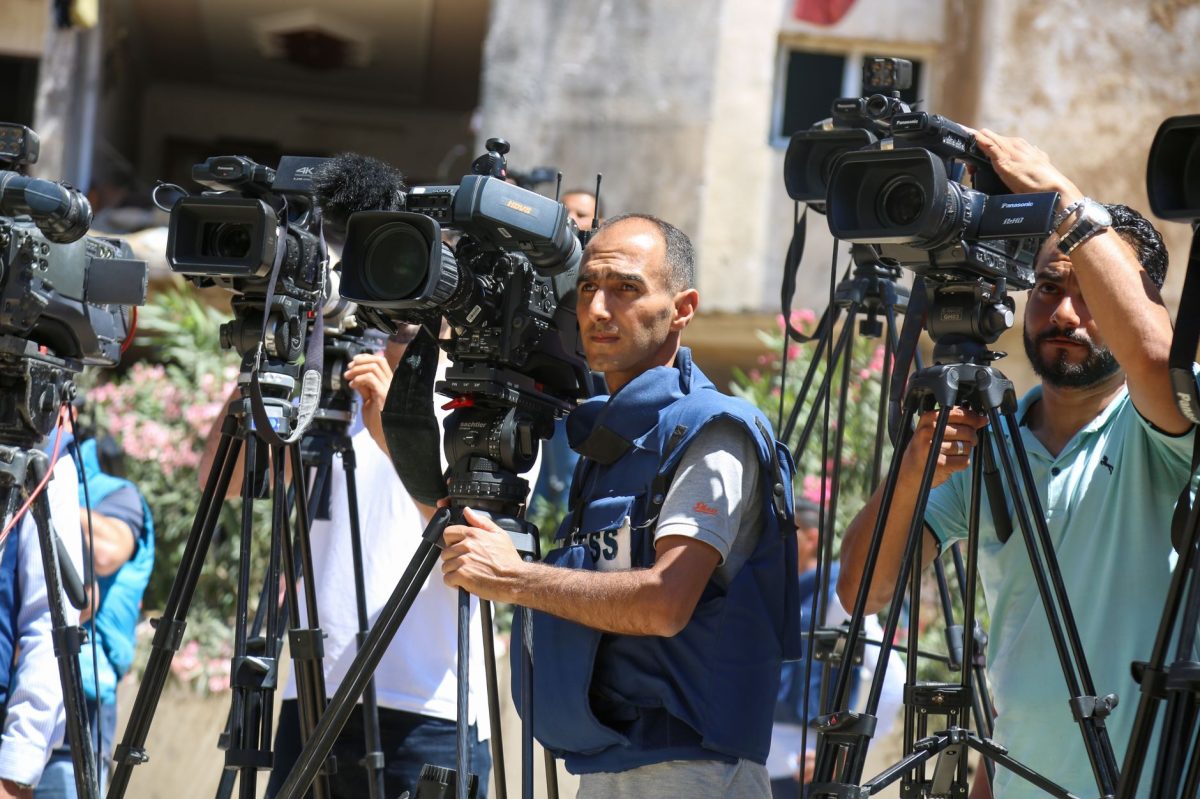
African Journalists’ Leaders Call for Unified Action After IFJ Steering Committee Meeting (Sept 17‑18)

From 17 to 18 September, the International Federation of Journalists (IFJ) convened its steering committee to assess a wave of assaults on media freedom, breaches of journalists’ labour rights and mounting economic strain on newsrooms in Africa. Delegates from more than 30 African journalist unions presented evidence of arrests, censorship and unpaid wages. The meeting concluded with a pledge to build stronger collective mechanisms to protect reporters and sustain independent media.
What Happened at the IFJ Steering Committee Meeting
The IFJ steering committee gathered on 17‑18 September, bringing together senior representatives from journalist unions in 31 African countries. According to an official IFJ release, the two‑day session was hosted virtually, allowing participants to share case studies from Nigeria, Kenya, South Africa, Ethiopia and the Democratic Republic of Congo. A key agenda item was the documented increase in legal harassment: in the past six months, at least 12 journalists faced criminal charges for reporting on corruption, and three newsrooms reported forced closures after refusing government advertising contracts. The committee also reviewed labour‑rights violations, noting that over 40 % of surveyed reporters had not received their contracted salaries for three consecutive months. In response, the steering committee drafted a resolution urging African governments to ratify existing press‑freedom conventions and to establish independent arbitration bodies for media workers. The resolution was adopted unanimously, marking the first continent‑wide consensus on collective bargaining for journalists.
Why It Matters for African Citizens
The erosion of media freedom directly impacts the public’s right to accurate information. When journalists are silenced or underpaid, investigative reporting on corruption, health crises and human‑rights abuses dwindles. For ordinary citizens, this translates into fewer checks on power and a higher risk of misinformation filling the vacuum. In Kenya, for example, the suspension of a leading investigative outlet last month coincided with a surge in unverified claims about the upcoming elections, prompting public confusion and heightened tension.
A second, less obvious, consequence is the weakening of labour standards across the media sector. Journalists who cannot rely on regular wages are forced to take secondary jobs, often in low‑paid gig work, which reduces the time they can devote to in‑depth reporting. This trend disproportionately affects women journalists, who already face gender‑based pay gaps; IFJ data shows that 62 % of female reporters in Africa report income insecurity versus 48 % of their male counterparts.
Finally, a unified African journalists’ movement can influence policy at the continental level. The African Union’s Media Freedom Charter, adopted in 2022, remains largely unenforced. A coordinated pressure campaign, backed by the IFN’s collective bargaining framework, could compel member states to adopt concrete safeguards, such as transparent advertising procurement and legal immunity for reporters covering public interest stories. The potential ripple effect would be a more resilient civil society and stronger democratic institutions across the continent.


“"The attacks we documented are not isolated incidents; they are part of a systematic effort to silence independent voices," said IFJ Secretary General Dominique Pradalié during the closing plenary, emphasizing the need for a continent‑wide solidarity network.”
What We Don’t Know Yet
While the steering committee produced a clear resolution, several critical details remain uncertain. First, the exact mechanisms for implementing the proposed arbitration bodies have not been defined; it is unclear whether national journalist unions will fund them or if the IFJ will allocate resources from its global budget. Second, the timeline for government adoption of the resolution is vague; no specific deadlines were set for African states to ratify the press‑freedom conventions referenced in the document. Third, the extent of grassroots support among rank‑and‑file journalists is still being measured. Early surveys suggest enthusiasm, but there is limited data on whether local unions can mobilize members for coordinated actions such as strikes or legal challenges. Finally, the impact of external actors—particularly multinational tech platforms that dominate digital news distribution—has not been addressed. Their policies on content moderation and revenue sharing could either bolster or undermine the collective bargaining power the IFJ hopes to create. These gaps leave observers waiting for concrete implementation plans and measurable outcomes.
Key Takeaways
- The IFJ steering committee met virtually on 17‑18 September, representing journalist unions from 31 African nations.
- The committee adopted a unanimous resolution calling for continent‑wide arbitration bodies to protect journalists’ labour rights.
- Over 40 % of surveyed African reporters reported missing salaries for three consecutive months, highlighting severe economic pressure.
- Women journalists face higher income insecurity, with 62 % reporting financial instability versus 48 % of male counterparts.
- Implementation details, funding sources and timelines for the resolution remain undefined, creating uncertainty about impact.
What to Watch in the Next 24‑72 Hours
In the immediate aftermath of the meeting, three developments will indicate whether the IFJ’s call for stronger collective action gains traction. First, watch for official statements from national journalist unions in Nigeria, South Africa and Ethiopia; their endorsement or rejection of the resolution will signal the level of regional buy‑in. Second, monitor any legislative activity in the African Union’s Permanent Committee on Human Rights—specifically, whether a motion to draft a continent‑wide media‑freedom monitoring body is introduced. Third, keep an eye on social‑media platforms used by journalists, such as Twitter and Facebook, for coordinated campaigns using the hashtag #AfricanPressUnity. Early signs of organized digital advocacy, petitions or coordinated reporting on recent arrests could demonstrate the practical rollout of the IFJ’s strategy. Within three days, if at least one national union publicly commits resources to the arbitration proposal, it would mark a tangible step toward operationalizing the committee’s recommendations.
According to UNESCO, 21 journalists were killed in Africa in 2023, the highest annual total since 2015.
The IFJ’s steering committee has set a clear agenda for stronger collective action, but the real test lies in how quickly African journalist unions can translate resolutions into on‑the‑ground protections. For readers, the stakes are simple: a free, well‑paid press means better accountability, more reliable information and stronger democratic participation across the continent. The next few days will reveal whether the momentum can be turned into lasting reform.