EU Stalemate Over Lifting Sanctions on Usmanov and Fridman Delays Policy Shift

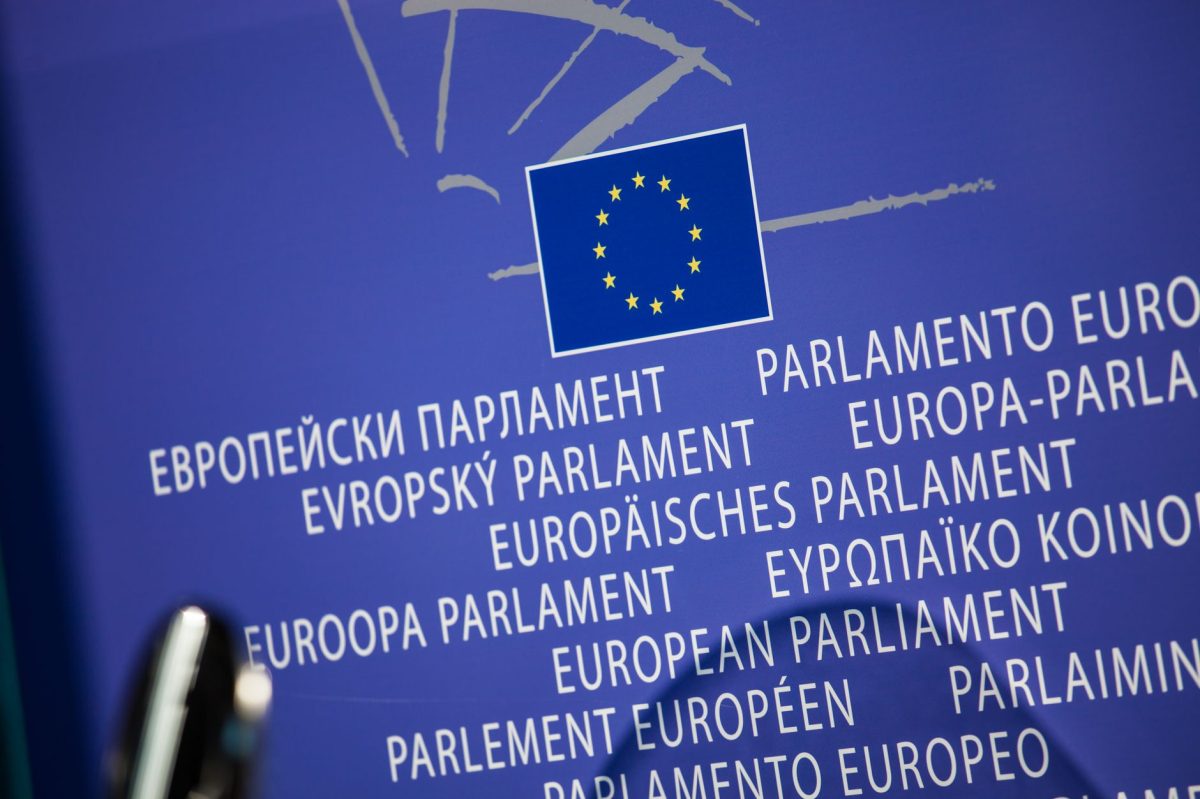
On Monday, senior officials from fifteen EU member states met in Brussels and walked away without a deal to remove Alisher Usmanov and Mikhail Fridman from the sanctions list. The deadlock means the two oligarchs remain barred from the bloc’s financial system. The decision reverberates beyond high‑profile names, affecting banks, investors, and companies that have been forced to restructure cross‑border deals. Analysts say the impasse signals deeper divisions over how to balance geopolitical aims with economic realities.
What Happened at the Brussels Negotiations
The meeting was convened by the European Council’s foreign affairs council (FAC) on Monday, March 18, 2024, at the Council’s headquarters on Rue de la Loi. Delegates from Germany, France, Italy, Poland, the Netherlands, and ten other member states presented their positions. Germany and France argued that lifting sanctions on Usmanov and Fridman would undermine the EU’s unified stance against Russia’s invasion of Ukraine, while the Netherlands and Sweden pushed for a limited exemption to unblock stalled investment projects. After six hours of discussion, the chair announced that no consensus could be reached and that talks would reconvene on Tuesday. Account to Reuters noted that the Dutch delegation cited a concrete example: a joint venture between a Dutch renewable‑energy firm and a Russian subsidiary that had been frozen for more than a year. The stalemate reflects the broader tug‑of‑war between security concerns and the desire to revive European markets that have been hamstrung by the sanctions regime.
Why the Stalemate Matters for Europe
First, the continued listing of Usmanov and Fridman keeps a sizable pool of capital locked out of the EU. Both men control assets worth billions of euros in energy, mining, and technology. Their exclusion forces European banks to conduct heightened due‑diligence checks on any transaction that might touch their holdings, raising compliance costs for ordinary firms. Second, the deadlock signals to Moscow that the EU remains fragmented on its punitive strategy, potentially emboldening further illicit financial flows. Third, businesses that depend on Russian raw materials—particularly in the automotive and aerospace sectors—face uncertainty about future supply chains because the sanctions create a legal gray zone. For a small‑scale manufacturer in the Czech Republic, this means longer lead times and higher prices for steel sourced from a Russian‑linked supplier. Finally, the political fallout could affect upcoming EU elections, as voters in Eastern member states watch how effectively Brussels can enforce a coherent foreign‑policy line.
“"The EU cannot afford to appear divided on sanctions," said Josep Borrell, the EU's High Representative for Foreign Affairs, during a press briefing on Tuesday, emphasizing that any concession must be tied to verifiable steps by Moscow.”
What We Don’t Know Yet
The next round of talks will likely hinge on information that has not yet been disclosed publicly. It remains unclear whether Moscow has offered any concrete concessions that would satisfy the more hawkish members. The EU also has not revealed the exact criteria it will use to evaluate a potential delisting, such as proof of asset separation or a pledge to cease funding of the Russian war effort. Moreover, the impact on third‑country investors—particularly those from Switzerland and the United Arab Emirates—has not been quantified. Finally, there is no public timeline for when the EU’s sanctions committee will publish a final decision, leaving markets in a state of anticipation that could affect currency and bond yields across the continent.
Key Takeaways
- EU diplomats failed to agree on delisting Usmanov and Fridman, keeping them on the sanctions list.
- The stalemate raises compliance costs for European banks handling transactions linked to Russian assets.
- Businesses risk supply‑chain delays as uncertainty over sanctions hampers trade with Russian partners.
- Political divisions within the EU may influence upcoming elections in several member states.
What to Watch in the Coming Days
In the next 24‑72 hours, observers should monitor three key developments. First, a statement from the European Commission’s sanctions unit outlining any revised procedural guidelines for delisting oligarchs. Second, any diplomatic signal from the Kremlin, such as a formal note to the EU or a public comment by Foreign Minister Sergey Lavrov indicating willingness to negotiate asset freezes. Third, market reactions: the Euro Stoxx 50 index, especially the banking sub‑sector, may show volatility as traders price in the risk of a policy shift. Should a compromise be reached, the EU may issue a joint communiqué that could trigger a cascade of legal filings by companies seeking to reclaim frozen assets. Conversely, another deadlock could reinforce the current status quo, prompting businesses to seek alternative financing routes outside the EU framework.
According to the Financial Times, Alisher Usmanov once owned a 15% stake in the English football club Arsenal, a fact that illustrates the global reach of his investments.
While the EU’s inability to reach a consensus on lifting sanctions against two of Russia’s most visible billionaires may seem like a distant power play, its ripple effects are felt in boardrooms, bank vaults, and on factory floors across Europe. The next few days will reveal whether the bloc can reconcile security imperatives with economic pragmatism, or whether the stalemate will deepen the divide between policy and practice. For ordinary citizens, the stakes are clear: a smoother sanctions regime could lower energy prices and restore investment confidence, while a prolonged impasse may keep costs high and markets jittery.