U.S. Extends Visa Restrictions, Bars Palestinian Officials from UN Meeting in New York

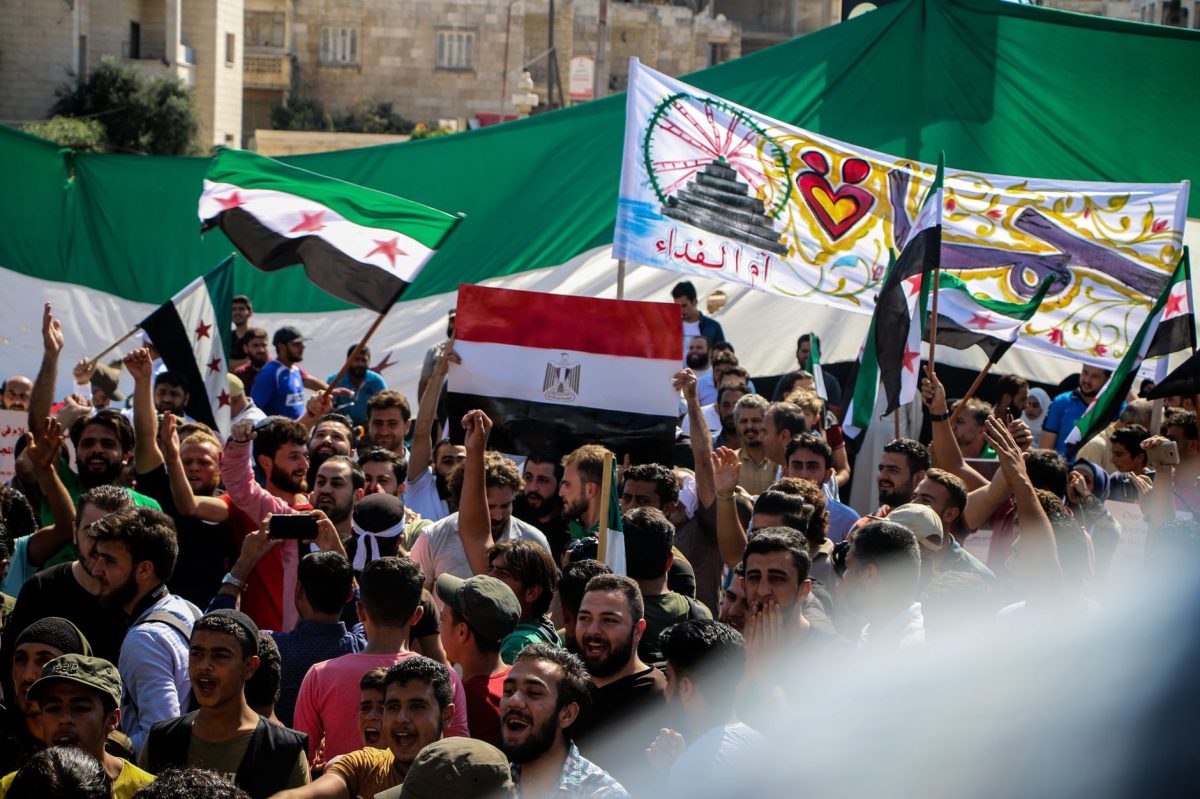
On Tuesday the U.S. State Department announced the extension of its visa‑restriction policy that bars senior Palestinian Authority officials from entering the United States. The decision directly blocks a delegation scheduled to attend a United Nations‑organized meeting on the Israeli‑Palestinian conflict in New York. Palestinian officials say the move undermines diplomatic channels that have been fragile for years. The ban comes as Washington tightens its broader Middle‑East travel rules under the Biden administration.
What Happened: Visa Ban Extended and UN Delegation Blocked
According to a statement from the U.S. State Department released on Tuesday, the visa‑restriction policy first enacted in 2018 has been extended for another 180 days. The extension applies to any Palestinian official whose name appears on a list compiled by the Office of the Attorney General on Jan.u202f30, 2024. The list includes the Palestinian Authority’s foreign minister, two deputy ministers, and three senior diplomats. The United Nations announced that the affected officials were slated to attend a high‑level meeting at the UN headquarters on Sept.u202f20, convened by the Secretary‑General to discuss a renewed cease‑fire framework. When the State Department confirmed the ban, the Palestinian Foreign Ministry issued an immediate protest, calling the action “a politically motivated violation of international diplomatic norms.” The U.S. justification cites “security concerns” and “non‑cooperation with U.S. counter‑terrorism efforts,” language that mirrors earlier restrictions placed on Hamas‑linked individuals. The ban was enforced at John F.u202fKennedy International Airport, where two Palestinian delegates were turned away after their visas were flagged by the Department of Homeland Security. The decision has already sparked a flurry of diplomatic notes among UN member states, with several Arab League countries expressing solidarity with the Palestinians.
Why It Matters: Diplomatic and Humanitarian Implications
The immediate impact is diplomatic isolation. By preventing Palestinian officials from joining the UN dialogue, the United States reduces the likelihood that any consensus‑building proposals will include the Palestinian perspective. This reinforces a pattern seen since 2018, when the U.S. first used visa restrictions as leverage in peace‑process negotiations. For ordinary Palestinians, the ban translates into fewer opportunities for their leaders to voice humanitarian concerns on the world stage, such as the worsening water scarcity in Gaza and the stalled reconstruction of homes destroyed in recent clashes. The restriction also signals to other governments that Washington is willing to use travel bans as a tool of foreign policy, potentially prompting allied nations to adopt similar measures. In the broader Middle‑East context, the move may embolden hard‑line factions on both sides, as it removes a diplomatic conduit that has historically served as a pressure valve. Human‑rights organizations, including Amnesty International, have warned that such bans can exacerbate feelings of disenfranchisement, which in turn can fuel radicalization. Economically, the ban could affect aid delivery; several NGOs rely on officials traveling to the U.S. to secure funding and coordinate logistics. By limiting that access, the United States indirectly hampers the flow of resources to vulnerable communities in the West Bank and Gaza.
“Palestinian Foreign Minister Riyad al‑Mun”
What We Don’t Know Yet
Several key questions remain unanswered. First, it is unclear whether the United Nations will formally challenge the U.S. decision through a resolution or a legal complaint, and if so, what mechanisms would be used to enforce attendance. Second, the exact criteria used to update the visa‑restriction list have not been disclosed, leaving room for speculation about future expansions of the ban. Third, the United States has not indicated whether it will offer any alternative means for Palestinian officials to participate, such as remote video links, which could affect the legitimacy of the UN meeting. Additionally, the reaction of other major powers, especially the European Union and Russia, is still uncertain; they may either condemn the move or stay silent, influencing the diplomatic balance in the Security Council. Finally, there is no public timeline for when, if ever, the ban will be lifted, which creates a lingering uncertainty for any ongoing or future peace initiatives that rely on direct Palestinian engagement.
What to Watch in the Next 24‑72 Hours
In the short term, the UN Security Council is scheduled to convene an emergency session on Thursday to address the fallout from the visa ban. Watch for statements from the United States’ ambassador to the UN, Linda Thomas‑Greenfield, who is expected to defend the policy as a "necessary security measure." Simultaneously, the Palestinian Authority is likely to file a formal protest with the UN Secretary‑General’s office, seeking a revocation of the ban or at least a waiver for the upcoming meeting. Arab League foreign ministers are expected to issue a joint communiqué condemning the United States, which could raise the profile of the issue in the Arab world. On the ground in New York, protest groups have announced a rally outside the UN headquarters on Friday, aiming to draw media attention to the exclusion of Palestinian voices. Finally, watch for any congressional hearings in Washington that may scrutinize the State Department’s criteria for the restriction list, as lawmakers have previously questioned the lack of transparency surrounding the policy.