Hongkongers Stranded in Okinawa Prepare for Low Supplies and Power Cuts

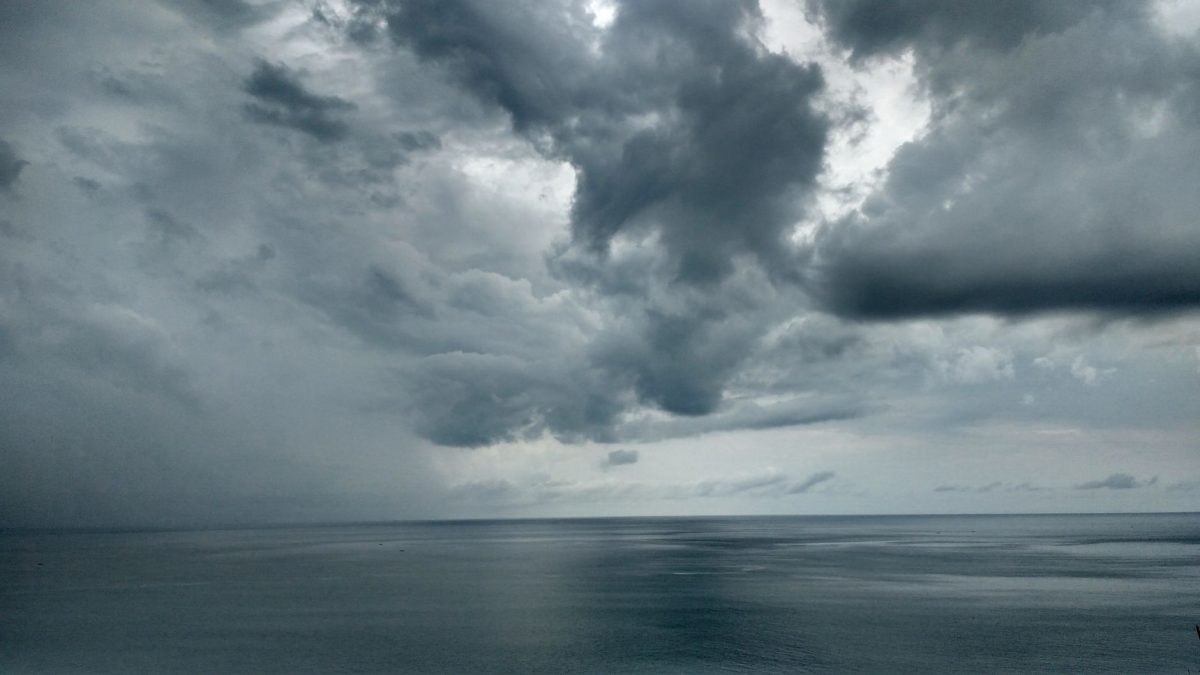
The sudden closure of Okinawa's Naha Airport on Friday due to Typhoon Dolphin has left hundreds of Hong Kong holidaymakers stranded on the Japanese island, with depleted supermarket shelves and potential power cuts posing significant challenges to their daily lives. The situation highlights the vulnerability of travelers to natural disasters and the importance of disaster preparedness.
Typhoon Dolphin Forces Closure of Okinawa's Naha Airport
According to an account from a stranded Hong Kong tourist, Chen Mei, who spoke to OMGHive, the airport closure has caused widespread disruption to flights and transportation services on the island. 'We were supposed to fly back to Hong Kong on Friday evening, but our flight was cancelled due to the typhoon,' Chen said. 'We are now stuck here with limited access to food, water and other essential supplies.' The Okinawa Prefectural Government has announced that the airport will remain closed until further notice, with only emergency flights permitted. Residents and tourists alike are advised to stay indoors and avoid non-essential travel until the typhoon passes. Debris from fallen trees and power lines can cause serious injuries and fatalities. The Japan Meteorological Agency has issued a Typhoon Warning for Okinawa, with winds reaching speeds of up to 180 km/h (112 mph). The storm is expected to bring heavy rain and strong winds to the island, with potential flooding and landslides reported in several areas. The Okinawa Prefectural Government has set up evacuation centers for those in need, but many tourists are choosing to stay in their hotels or guesthouses instead. The Naha Airport is a major transportation hub, and its closure has significant implications for the island's economy and residents' daily lives.
The Human Impact of Typhoon Dolphin
The effects of Typhoon Dolphin on Hong Kong holidaymakers in Okinawa are multifaceted and far-reaching. For many, the sudden closure of the airport and the potential for low supplies and power cuts has caused significant anxiety and stress. 'We were not prepared for this kind of situation,' said Chen Mei, who is now struggling to find food and water for herself and her family. 'We thought we had arranged for everything, but it seems that we were not aware of the risks involved.' The incident highlights the importance of disaster preparedness and the need for tourists to research and understand the risks involved in traveling to disaster-prone areas. It also raises questions about the responsibility of tour operators and travel agencies to provide adequate information and support to their clients. The lack of communication and coordination between authorities and tourists has exacerbated the situation, leading to confusion and frustration.

“We are doing our best to support the stranded tourists, but it is a challenging situation. We urge everyone to stay safe and follow the instructions of the authorities.”
What We Don't Know Yet
Despite the efforts of authorities and rescue teams, many questions remain unanswered. How will the stranded tourists be supported and provided with essential supplies? Will the power cuts be prolonged, and what impact will this have on the island's economy and residents' daily lives? What measures will be taken to prevent the spread of diseases and maintain public health in the evacuation centers? The lack of communication and transparency from the authorities has fueled speculation and rumors, exacerbating the situation. The situation is complex and multifaceted, and it will take time to fully understand the extent of the damage and the impact on the island's residents and tourists. In the meantime, the stranded tourists will continue to face significant challenges and uncertainties.
What to Watch
In the next 24-72 hours, several key developments are expected to unfold. The Japan Meteorological Agency will continue to monitor the typhoon's trajectory and intensity, providing updates and warnings as necessary. The Okinawa Prefectural Government will work to provide support and assistance to the stranded tourists, including the distribution of food, water, and other essential supplies. The airport closure is expected to be prolonged, with potential delays and cancellations of flights. The situation will continue to unfold, and it is essential to monitor the developments closely. Key people to watch include the Okinawa Prefectural Government's emergency response team and the Japan Meteorological Agency's forecasters. Realistic outcomes to expect include prolonged power cuts, low supplies, and potential flooding and landslides.
The effects of Typhoon Dolphin on Hong Kong holidaymakers in Okinawa are a sobering reminder of the importance of disaster preparedness and the need for tourists to research and understand the risks involved in traveling to disaster-prone areas. The situation is complex and multifaceted, with many questions remaining unanswered. As the situation continues to unfold, it is essential to monitor the developments closely and provide support and assistance to those in need.