US Bans Imports of Foreign-Made Humanoid Robots and Power Inverters from China Over Security Risks

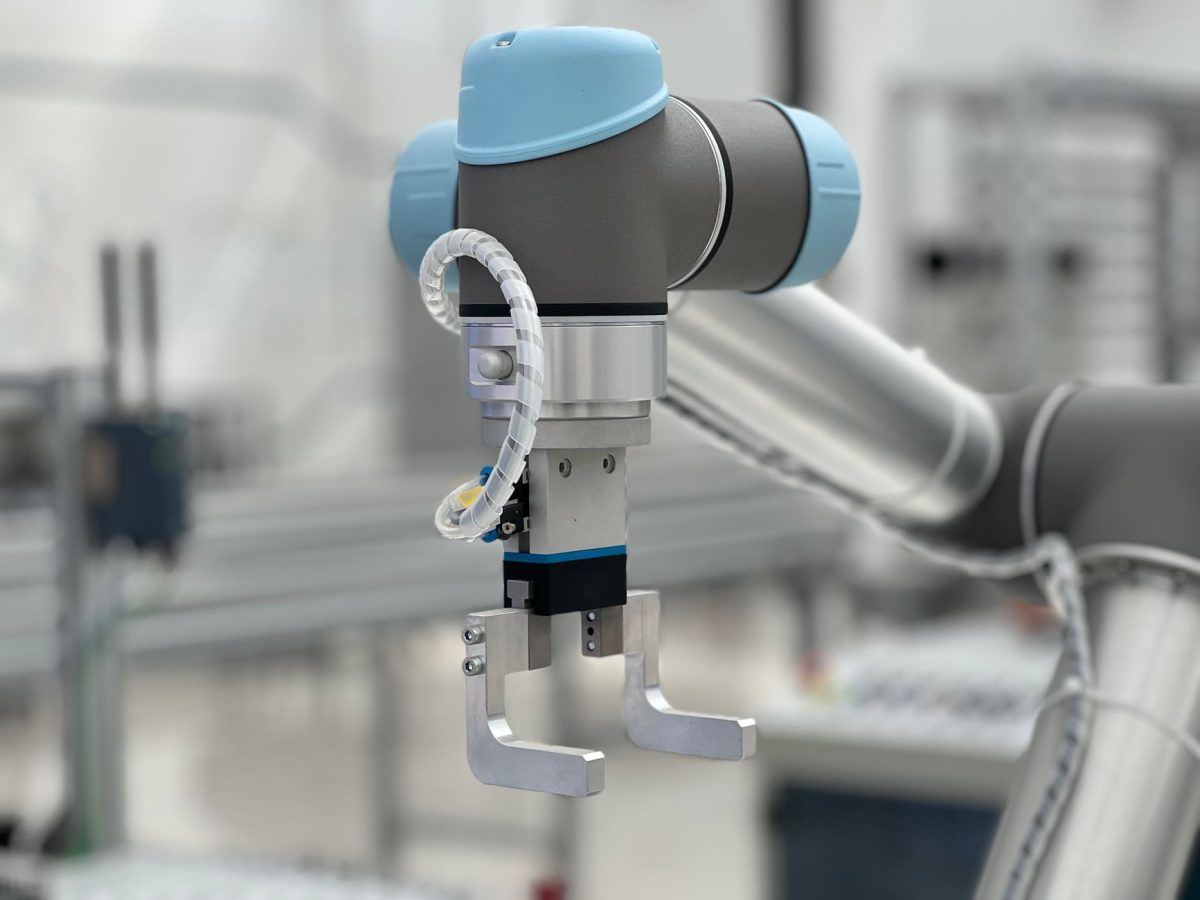
The US Federal Communications Commission (FCC) has banned imports of new foreign-made humanoid robots and power inverters due to national security risks, specifically targeting China, a move that raises concerns about the country's growing influence in the global robotics market.
US FCC Bans Imports of Foreign-Made Humanoid Robots and Power Inverters
According to a statement from the FCC, the ban is part of a broader effort to regulate the importation of foreign-made robots and power inverters that could pose a risk to national security. The agency cited concerns about the potential for these devices to be used for malicious purposes, such as espionage or sabotage. The ban applies to all new foreign-made humanoid robots and power inverters, effective immediately. Account to FCC spokesperson, Deborah A. Tate, said, "The FCC is committed to ensuring the security of the United States' communication systems, and this ban is an important step in that effort." The ban specifically targets China, which has been a major supplier of humanoid robots and power inverters to the US market. The FCC did not provide specific details on the types of robots and inverters that are subject to the ban, but sources close to the agency say that it includes a range of devices, from industrial robots to consumer-grade robots. One specific example of a banned device is the UBTECH Walker, a humanoid robot designed for search and rescue operations.
Why the Ban Matters
The ban on imports of foreign-made humanoid robots and power inverters has significant implications for the US robotics industry and the broader national security landscape. On one hand, the ban could stifle innovation and limit access to advanced robotics technology, potentially harming the US robotics industry's competitiveness. However, the ban also reflects growing concerns about the risks associated with relying on foreign-made robots and power inverters, particularly those from China. China has been accused of using its robotics industry to collect intelligence and conduct espionage, and the US has taken steps to mitigate these risks. The ban could also have implications for the use of robots in critical infrastructure, such as power plants and transportation systems, where the risk of malfunction or cyber attack is high. Experts say that the ban is likely to have a significant impact on the US robotics industry, with some companies already reporting difficulties in sourcing parts and components.

“The FCC is committed to ensuring the security of the United States' communication systems, and this ban is an important step in that effort.”
What We Don't Know Yet
Despite the ban, there are still many unanswered questions about the scope and implications of the FCC's decision. For example, it is unclear how the ban will affect US companies that rely on foreign-made robots and power inverters, or how the ban will be enforced. Additionally, there are concerns about the potential for loopholes in the ban, such as the possibility of companies using indirect suppliers or finding ways to circumvent the ban. The FCC has not provided clear guidance on these issues, and it is unclear how the agency will address them.
Key Takeaways
- The US Federal Communications Commission has banned imports of new foreign-made humanoid robots and power inverters due to national security risks.
- The ban specifically targets China, which has been a major supplier of humanoid robots and power inverters to the US market.
- The ban applies to all new foreign-made humanoid robots and power inverters, effective immediately.
- The FCC has not provided clear guidance on the scope and implementation of the ban.
- The ban could have significant implications for the US robotics industry and the broader national security landscape.
What to Watch
In the coming days and weeks, several key developments will be worth monitoring. First, the FCC will likely provide additional guidance on the scope and implementation of the ban, including details on how companies can comply with the new regulations. Second, US companies that rely on foreign-made robots and power inverters will likely begin to feel the impact of the ban, with some potentially facing supply chain disruptions or other challenges. Finally, the ban could have implications for the global robotics market, with other countries potentially following the US lead and imposing similar restrictions. The FCC has not specified a timeline for these developments, but experts say that the agency is likely to provide additional guidance in the coming weeks.
Interestingly, the first robot to be granted citizenship was a humanoid robot named Sophia, which was granted Saudi Arabian citizenship in 2017, highlighting the growing recognition of robots as entities with rights and responsibilities.
The ban on imports of foreign-made humanoid robots and power inverters is a significant development in the US robotics industry, with implications for the national security landscape and the global robotics market. As the FCC continues to refine its regulations and enforcement efforts, it is clear that the ban is just the beginning of a larger conversation about the risks and benefits of emerging technologies. In the coming weeks and months, we will likely see further developments on this issue, and it is essential that policymakers, industry leaders, and the public continue to engage in a nuanced and informed discussion about the implications of this ban.