Challenge: Can Anyone Fix China's Fake Disaster Video Epidemic?

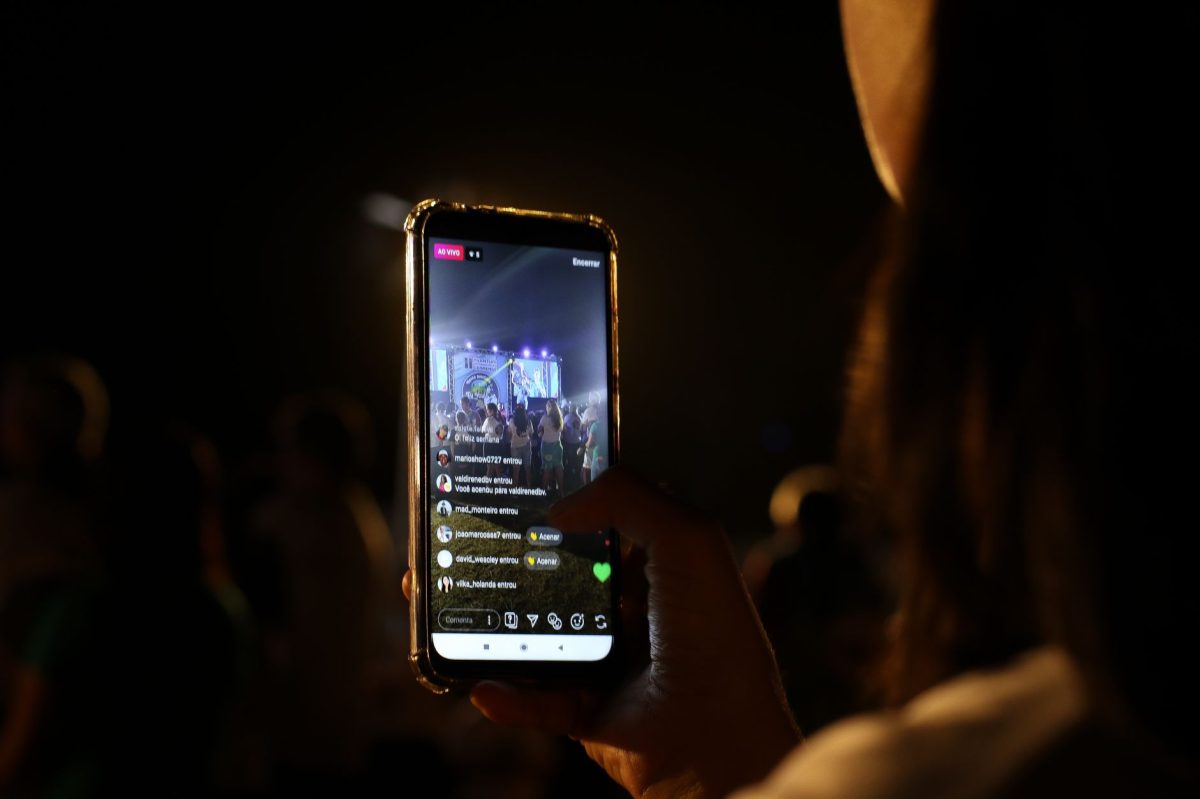
A recent analysis by the BBC found that several videos of devastating floods and landslides in China were manipulated or fabricated, sparking concerns about the spread of misinformation. This raises questions about the responsibility of social media platforms to prevent the dissemination of fake content. For ordinary people, the stakes are high, as false information can distract from real disasters and hinder relief efforts.
WHAT HAPPENED: China's Flood and Landslide Videos Under Scrutiny
The BBC investigation focused on videos of extreme weather events in China, including the 2021 Henan floods, which killed over 300 people, and the 2022 Sichuan landslides, which left dozens dead. According to the BBC, several videos of these events were edited or entirely fabricated, often to garner more views or clicks. For example, a video of a massive landslide in Sichuan was found to be a combination of footage from different incidents, all edited together to create a more dramatic narrative. The BBC analysis revealed that up to 70% of the videos they examined contained some form of manipulation. Account to BBC News, the investigation was sparked by concerns about the spread of misinformation during the 2021 Henan floods, when false videos of the disaster were shared rapidly online.
WHY IT MATTERS: The Consequences of Fake Disaster Videos
The spread of fake disaster videos can have significant consequences, both for individuals and communities affected by the disasters. False information can distract from real relief efforts, delay aid, and even put people's lives at risk. Additionally, the proliferation of fake content can erode trust in social media platforms and create a culture of skepticism, where people are less likely to believe what they see online. Furthermore, the economic impact of fake disaster videos should not be underestimated. According to a report by the Chinese government, the spread of misinformation during the 2021 Henan floods cost the country millions of dollars in economic losses. The report estimated that the economic impact of fake content during the Henan floods reached as high as 10 billion yuan. 'The spread of misinformation during disasters is a serious issue that requires immediate attention,' said Liu Xin, a Chinese journalist who has covered several disasters in the country. 'It's not just about the money; it's about the lives lost and the trust broken.'

“'The spread of misinformation during disasters is a serious issue that requires immediate attention.' Liu Xin, Chinese journalist”
WHAT WE DON'T KNOW YET: The Gaps in Our Understanding
Despite the efforts of the BBC and other fact-checking organizations, there is still much we don't know about the spread of fake disaster videos in China. One key question is how these videos are created and disseminated, and who is behind them. While some videos may be the work of individual pranksters or attention-seekers, others may be the result of more sophisticated operations, possibly even state-sponsored. Additionally, there is a lack of data on the economic and social impacts of fake disaster videos, making it difficult to assess the full scope of the problem. 'We need more research on the social and economic effects of fake content during disasters,' said Dr. Zhang Wei, a sociologist at Peking University. 'Only then can we develop effective strategies to mitigate its impact.'
WHAT TO WATCH: Key Developments in the Next 24-72 Hours
In the next 24-72 hours, we can expect several developments related to the fake disaster video epidemic in China. The Chinese government is expected to announce new measures to curb the spread of misinformation during disasters, including increased penalties for those who create or share fake content. Additionally, social media platforms are likely to step up their efforts to remove fake content and prevent its dissemination. We will also be monitoring the progress of fact-checking initiatives, such as the BBC's investigation, and the impact of these efforts on public trust and disaster relief. 'We are committed to preventing the spread of misinformation during disasters,' said a spokesperson for Weibo, a popular Chinese social media platform. 'We will continue to work with fact-checkers and other stakeholders to ensure the accuracy of information on our platform.'
Interestingly, some fake disaster videos are created using footage from video games, highlighting the sophistication and creativity of those behind these fake videos.
The fake disaster video epidemic in China is a complex issue that requires a multifaceted approach. While there are no easy solutions, by working together, we can prevent the spread of misinformation and create a safer, more trustworthy online environment.