Air Quality Improves in Northeast as Wildfire Smoke Persists in Midwest

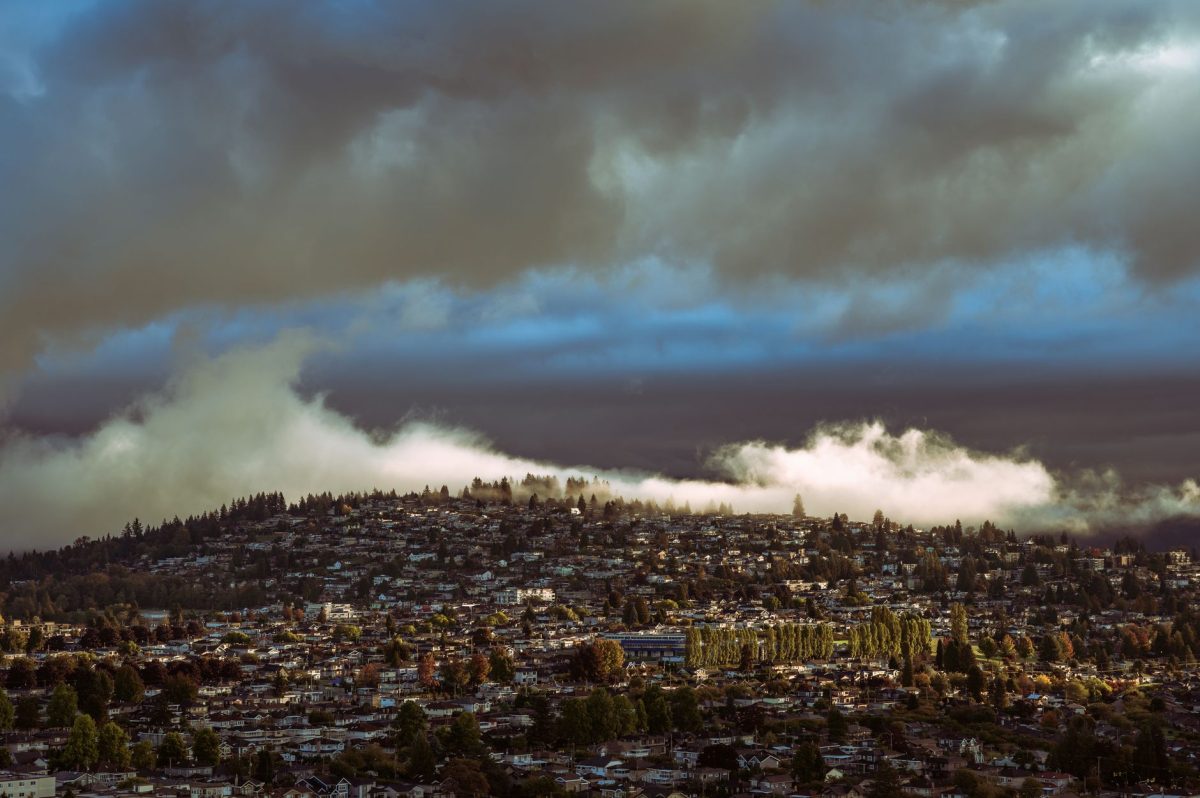
Wildfire smoke continues to affect air quality in the Midwest, while the Northeast experiences improved conditions. This shift in air quality is significant for residents and commuters in both regions, particularly those with pre-existing health conditions. The situation is being closely monitored by the US Environmental Protection Agency (EPA).
Wildfires Continue to Worsen Air Quality in Midwest
According to the National Interagency Coordination Center, there are currently over 100 active wildfires across the United States, with the majority located in the western states. However, the smoke from these fires has been carried by winds to the Midwest, causing air quality to deteriorate. Account to the EPA reveals that particulate matter (PM2.5) levels have exceeded the national air quality standard in several Midwestern states, including Illinois, Indiana, and Michigan. One specific example is the recent PM2.5 reading of 35.5 micrograms per cubic meter in Chicago, Illinois, which is more than twice the national standard. The EPA has issued air quality alerts for these states, advising residents to take precautions to minimize exposure.
Why Improved Air Quality in Northeast Matters
The improvement in air quality in the Northeast is a welcome respite for residents, particularly those with pre-existing health conditions. A study by the American Lung Association found that air pollution can exacerbate conditions such as asthma and chronic obstructive pulmonary disease (COPD). With improved air quality, residents in the Northeast can breathe easier, reducing their risk of respiratory problems. Furthermore, the improved air quality can also have economic benefits, as a study by the Natural Resources Defense Council found that every dollar invested in clean air and water can return up to $9 in economic benefits.
“The Trump administration is committed to ensuring that Americans have access to clean air and water. We will continue to work with our international partners to address the root causes of air pollution and to provide relief to those affected by wildfires and other disasters.”
What We Don't Know Yet
While the current air quality data provides a snapshot of the situation, there are still many unknowns. For example, it is unclear how long the wildfire smoke will persist in the Midwest, or when the air quality will return to normal. Additionally, the economic impacts of the wildfires and poor air quality are still being assessed. The EPA and other agencies are working to gather more data and provide updates on the situation.
Key Takeaways
- Wildfire smoke continues to affect air quality in the Midwest, with particulate matter (PM2.5) levels exceeding national standards.
- Air quality has improved in the Northeast, reducing the risk of respiratory problems for residents.
- The Trump administration has demanded explanation from Canada regarding the wildfire smoke.
- The economic impacts of the wildfires and poor air quality are still being assessed.
What to Watch in the Next 24-72 Hours
Residents in the Midwest should continue to monitor air quality indexes and take precautions to minimize exposure. The EPA will continue to issue air quality alerts and provide updates on the situation. In the Northeast, residents can expect improved air quality to continue, but should still be aware of potential hotspots and take precautions to protect themselves. The Trump administration's response to the situation, including their demands for explanation from Canada, will also be closely watched. Additionally, the economic impacts of the wildfires and poor air quality will continue to be assessed in the coming days.
Despite the negative impacts of wildfire smoke on air quality, some studies have found that certain types of plants and trees can actually benefit from the smoke, with increased growth and productivity in some cases.
The situation with wildfire smoke and air quality is complex and multifaceted, affecting both residents and commuters in the Midwest and Northeast. While there are many unknowns, it is clear that the Trump administration's response to the situation will be closely watched, and the economic impacts of the wildfires and poor air quality will continue to be assessed in the coming days.