Canadian Wildfire Sends Hazardous Smoke Spewing into US Cities, Threatens Summer Vacation Plans

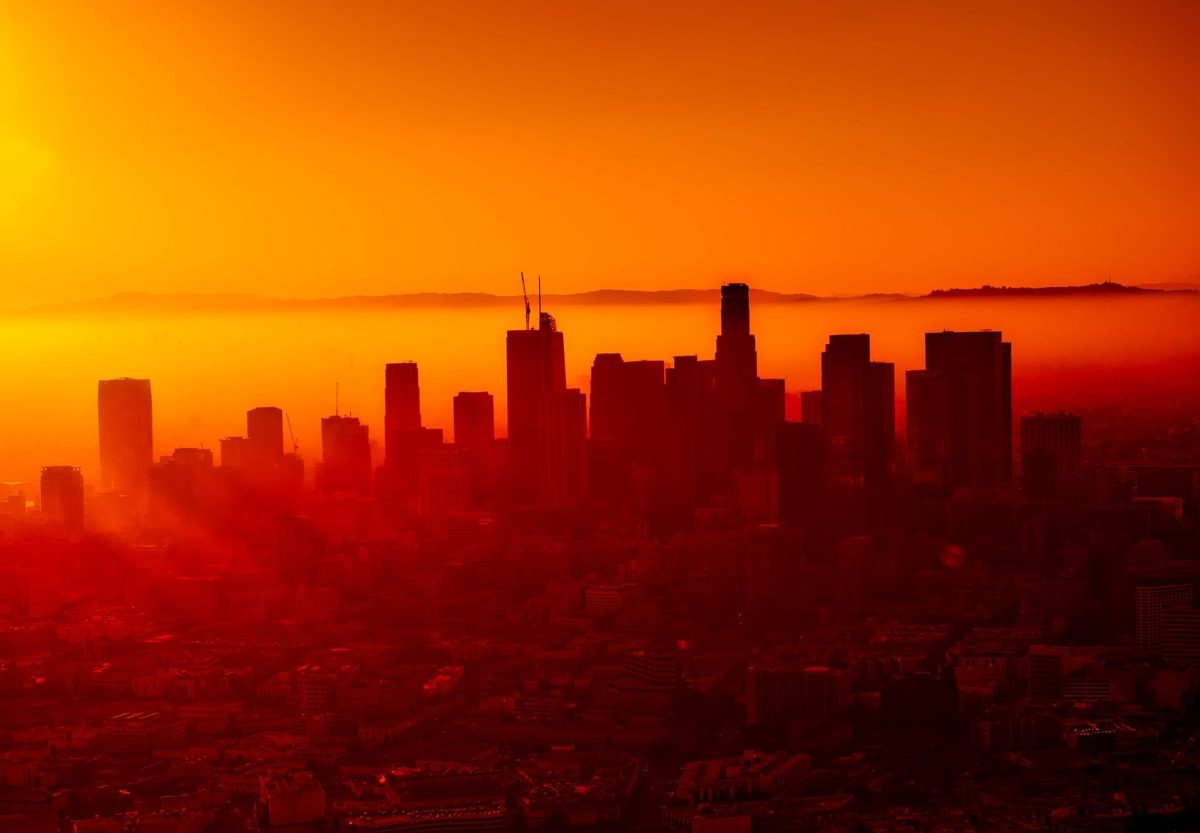
The Canadian wildfire in Alberta has sent hazardous smoke spewing into US cities, forcing thousands to evacuate and threatening summer vacation plans for millions. This is a critical situation for people with pre-existing respiratory conditions and those planning summer vacations in affected areas. The smoke has also raised concerns about air quality and public health in the region.
Massive Wildfire in Alberta, Canada Spews Hazardous Smoke into US
According to Yinka Oyetade's report from FRANCE 24, a massive wildfire in Alberta, Canada has been burning for weeks, spewing hazardous smoke into the US. The fire has burned over 1 million acres of land, forcing thousands to evacuate and threatening the summer vacation plans of millions. Jonathan Boucher, Researcher at the Canadian Forest Service, said in an interview with FRANCE 24 that the fire is one of the largest in Canadian history. The smoke from the fire has reached as far as New York City and Chicago, affecting air quality and public health in the region. The fire has also raised concerns about the impact on local wildlife and the environment. Account to Jonathan Boucher, Researcher at the Canadian Forest Service, reveals that the fire is largely fueled by dry conditions and high winds. The fire has also forced the closure of several highways and roads in the region, making it difficult for people to evacuate or access essential services.
Why It Matters: The Impact on Public Health and Summer Vacation Plans
The hazardous smoke from the Canadian wildfire poses a significant threat to public health, particularly for people with pre-existing respiratory conditions. The smoke contains high levels of particulate matter, which can exacerbate conditions such as asthma and chronic obstructive pulmonary disease (COPD). According to the US Environmental Protection Agency (EPA), the smoke has also raised concerns about air quality in the region, with PM2.5 levels exceeding safe limits in several US cities. The smoke has also disrupted summer vacation plans for millions, with several popular tourist destinations in the US and Canada forced to close due to poor air quality. This is a critical situation for the tourism industry, which relies heavily on summer vacation revenue. As Jonathan Boucher noted, the fire is a reminder of the importance of forest management and fire prevention in preventing such disasters. However, the situation also highlights the need for more effective emergency planning and response to mitigate the impact of such events.

“The fire is a reminder of the importance of forest management and fire prevention in preventing such disasters. We need to do a better job of managing our forests to prevent such events from occurring in the future.”
What We Don't Know Yet: The Uncertainty Surrounding the Fire
Despite the efforts of firefighters and emergency responders, there are still many unknowns surrounding the Canadian wildfire. The full extent of the damage is still unknown, and it may take weeks or even months to fully assess the impact of the fire on the environment and local wildlife. The fire has also raised concerns about the long-term impact on air quality and public health in the region. As Jonathan Boucher noted, the fire is a complex event that requires a comprehensive response, including emergency planning, forest management, and public health measures. The situation is further complicated by the fact that the fire has forced the evacuation of several communities, leaving many people without access to essential services or support. The uncertainty surrounding the fire highlights the need for more effective emergency planning and response to mitigate the impact of such events.
Key Takeaways
- The Canadian wildfire has burned over 1 million acres of land, forcing thousands to evacuate and threatening summer vacation plans for millions.
- The smoke from the fire has reached as far as New York City and Chicago, affecting air quality and public health in the region.
- The US Environmental Protection Agency (EPA) has issued air quality advisories for several US cities, citing high levels of particulate matter in the air.
What to Watch: Key Developments in the Next 24-72 Hours
In the next 24-72 hours, several key developments are expected in the situation surrounding the Canadian wildfire. The fire is expected to continue burning for several more days, with firefighters working to contain the blaze and prevent it from spreading to nearby communities. The smoke from the fire is also expected to continue affecting air quality in the US, with several cities likely to issue air quality advisories in the coming days. As Jonathan Boucher noted, the situation is complex and requires a comprehensive response, including emergency planning, forest management, and public health measures. The next few days will be critical in determining the full extent of the damage and the impact on public health and summer vacation plans.
Interestingly, some plants and trees are able to survive and even thrive in the aftermath of a wildfire, due to a process called 'serotiny' which allows them to release seeds in response to the heat from the fire.
The Canadian wildfire is a sobering reminder of the importance of forest management and fire prevention in preventing such disasters. As the situation continues to unfold, it's essential to remember that the impact of the fire will be felt for weeks and even months to come, highlighting the need for more effective emergency planning and response to mitigate the impact of such events. By working together, we can minimize the impact of such events and protect the environment, public health, and summer vacation plans.