Exclusive: Inside Kenya's Oil Refinery Plans: 60,000 Jobs and Aliko Dangote's Partnership

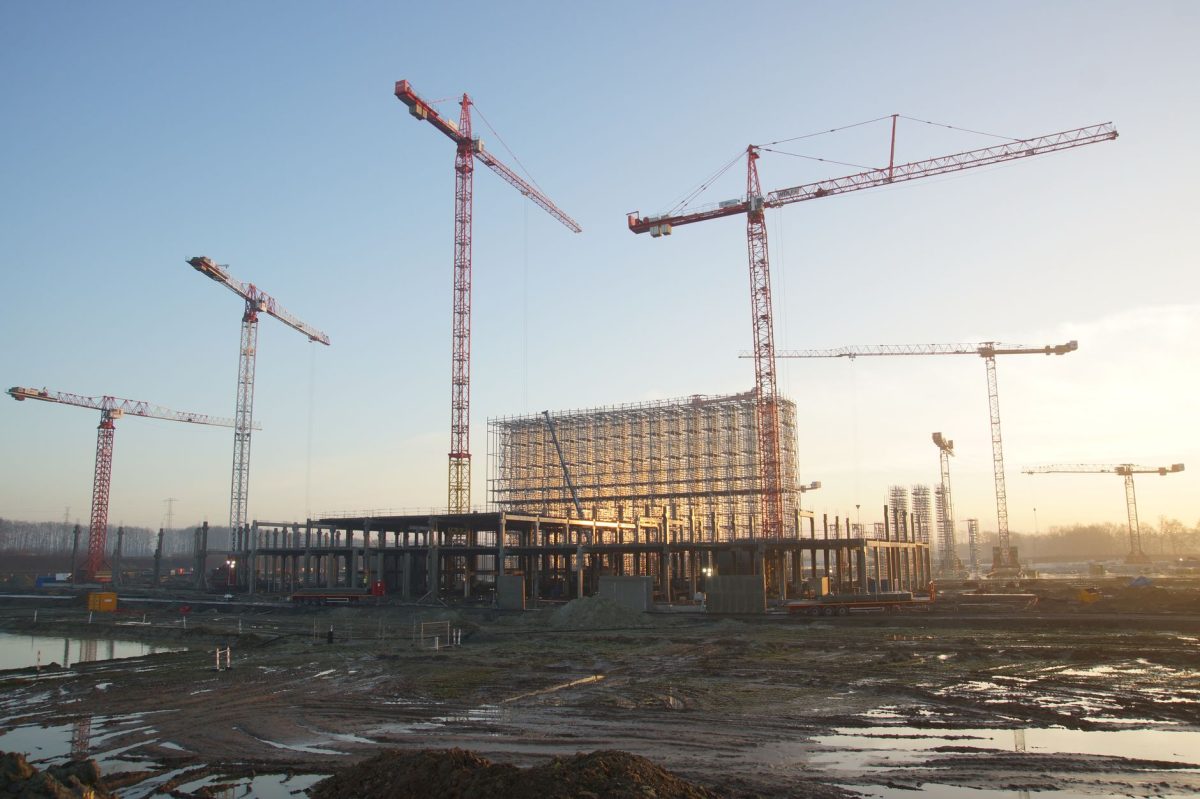
President William Ruto has announced plans for an oil refinery in Lamu, Kenya, which is expected to create at least 60,000 jobs. This development has significant implications for the local economy, as it could provide a much-needed boost to employment opportunities.
President Ruto Announces Oil Refinery Plans
Account to Capital FM, President William Ruto said that the planned oil refinery in Lamu will create at least 60,000 jobs. The refinery is being developed in partnership with Nigerian billionaire Aliko Dangote. According to Ruto, the project will not only provide employment opportunities but also contribute to Kenya's economic growth. 'We are excited to announce that our partnership with Dangote will lead to the establishment of an oil refinery in Lamu, which will create over 60,000 jobs for our youth,' Ruto said. The refinery is expected to be completed in three years, with construction work set to begin soon. The exact location of the refinery has not been disclosed, but sources indicate that it will be built near the existing Lamu Port.
Why the Oil Refinery Matters
The planned oil refinery in Lamu has significant implications for the local economy. The creation of at least 60,000 jobs will provide a much-needed boost to employment opportunities, especially for young people. Additionally, the project will contribute to Kenya's economic growth, which has been a major challenge for the country in recent years. The refinery will also provide an opportunity for Kenya to reduce its reliance on imported oil products, which will help to reduce the country's trade deficit. Furthermore, the project will create a new economic hub in Lamu, which will attract investments in other sectors such as manufacturing and tourism. The success of the project will depend on careful planning and execution, as well as the ability of the government to provide a conducive environment for businesses to thrive.


“We are excited to announce that our partnership with Dangote will lead to the establishment of an oil refinery in Lamu, which will create over 60,000 jobs for our youth.”
What We Don't Know Yet
While the planned oil refinery in Lamu has generated significant excitement, there are still several questions that need to be answered. One of the major concerns is the environmental impact of the project. Lamu is a sensitive ecosystem, and the construction of the refinery could potentially harm the local environment. There is also a need for more information on the financial arrangements for the project, including the cost of construction and the anticipated revenue. Additionally, the project will require significant investment in infrastructure, including roads and utilities, which will need to be put in place before construction can begin. The government will need to provide a clear plan for how these investments will be made and who will bear the costs.
Key Takeaways
- The planned oil refinery in Lamu is expected to create at least 60,000 jobs, according to President William Ruto.
- The refinery is being developed in partnership with Nigerian billionaire Aliko Dangote.
- The project will contribute to Kenya's economic growth and reduce the country's reliance on imported oil products.
- The exact location of the refinery has not been disclosed, but it will be built near the existing Lamu Port.
- Construction work is expected to begin soon, with the project expected to be completed in three years.
What to Watch
In the coming days and weeks, several key developments will be worth monitoring. Firstly, the government will need to provide more information on the environmental impact assessment for the project, which will help to alleviate concerns about the potential harm to the local ecosystem. Construction work is expected to begin soon, and it will be important to see if the government is able to deliver on its promise of creating 60,000 jobs. Additionally, the government will need to provide a clear plan for how the project will be financed, including the cost of construction and the anticipated revenue. Finally, it will be important to see how the project will be executed, including the management of the construction process and the provision of infrastructure for the local community.
Interestingly, Kenya's oil refinery project is expected to be one of the largest in Africa, with a capacity to produce over 100,000 barrels of oil per day, despite the country having limited oil reserves.
The planned oil refinery in Lamu has the potential to be a major game-changer for Kenya's economy. However, it is essential to carefully consider the potential risks and challenges associated with the project, including the environmental impact and the financing arrangements. By carefully planning and executing the project, the government can ensure that it delivers on its promise of creating 60,000 jobs and contributing to Kenya's economic growth.