Ryanair Warns of Extended Waits at EU Border Amid New System Rollout

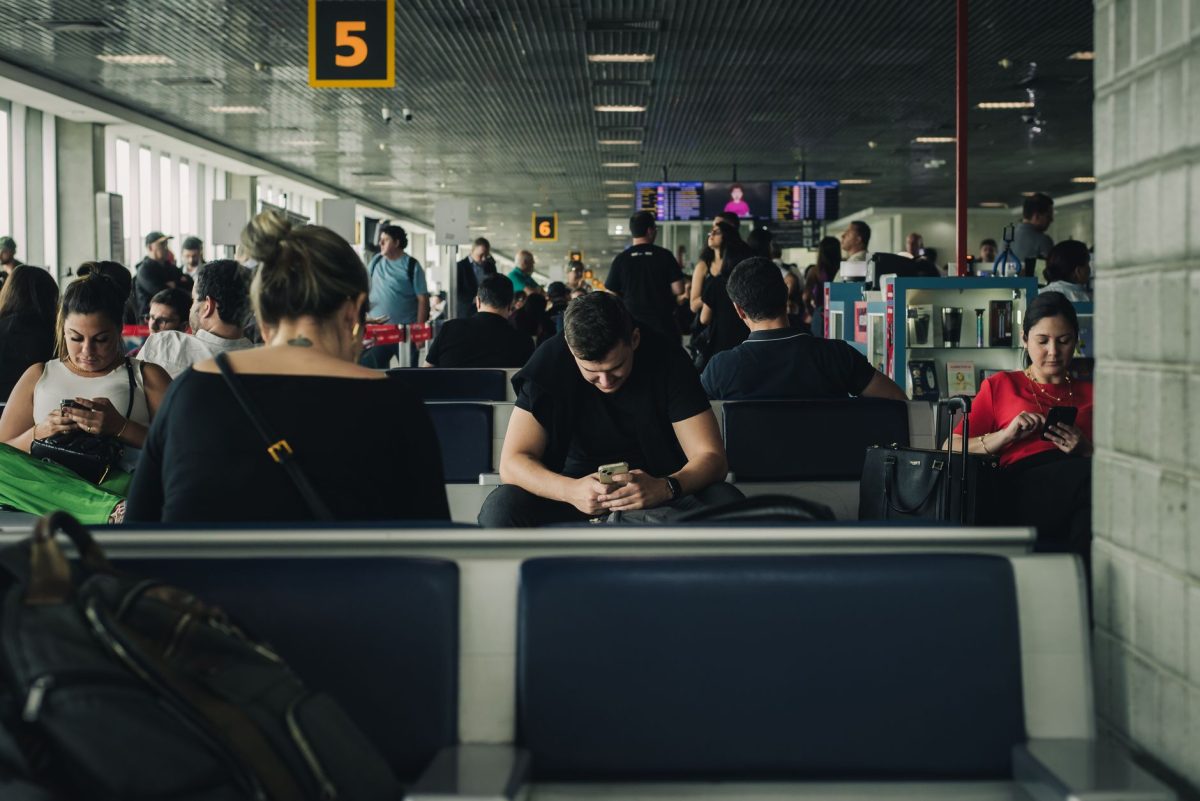
A new EU border system is causing significant delays at passport control, with airport bosses warning of extended waits for summer travelers, as Ryanair has also cautioned passengers to prepare for long lines.
New EU Border System Tripling Time at Passport Control
According to sources, the new EU border system, which aims to enhance security and streamline processes, has inadvertently created a bottleneck at passport control, resulting in significantly longer wait times. Account to airport boss, John Hanlon, revealed that the new system has tripled wait times at passport control. For instance, Hanlon noted that passengers were previously able to clear customs in under 10 minutes, but with the new system, this time has been extended to over 30 minutes. Ryanair's Michael O'Leary has also warned passengers to expect extended waits at EU borders, citing concerns over the new system's impact on summer travel. O'Leary stated, 'We're seeing a significant increase in wait times, particularly at peak travel periods. This is having a major impact on our operations and, ultimately, our customers.'
Why Extended Waits Matter
The extended waits at EU borders have significant implications for travelers. For instance, passengers who rely on tight connections may find themselves stranded, while those who are short on time may miss their flights. Furthermore, the new system's impact on summer travel is a concern for the tourism industry, which relies heavily on efficient and hassle-free travel experiences. The delays also raise questions about the new system's effectiveness, particularly in light of the potential consequences for travelers and the tourism industry. Ryanair's Michael O'Leary has warned that the delays could have a 'major impact' on summer travel.


“We're seeing a significant increase in wait times, particularly at peak travel periods. This is having a major impact on our operations and, ultimately, our customers.”
What We Don't Know Yet
While the new EU border system has been implemented, several questions remain unanswered. For instance, it is unclear how the system will be optimized to mitigate the impact on wait times. Additionally, there is a lack of transparency regarding the system's effectiveness in enhancing security and streamlining processes. Furthermore, it is unclear how the system will be adapted to accommodate peak travel periods, particularly during summer. The lack of clear answers raises concerns over the system's long-term viability and its potential to meet the needs of travelers. The system's impact on summer travel remains a major concern.
Key Takeaways
- The new EU border system has caused a significant increase in wait times at passport control.
- Ryanair's Michael O'Leary has warned of extended waits at EU borders.
- Passengers relying on tight connections may find themselves stranded due to the delays.
- The delays raise questions about the new system's effectiveness in enhancing security and streamlining processes.
- The EU's Commission is set to review the system's effectiveness and make necessary adjustments.
What to Watch
In the coming days, several key developments are expected to unfold. Firstly, the EU's Commission is set to provide updates on the new border system's performance. Secondly, Ryanair is expected to continue monitoring the situation and providing updates to passengers. Finally, the tourism industry is expected to assess the impact of the new system on summer travel. The EU's Commission has also announced plans to review the system's effectiveness and make necessary adjustments. The EU's Commission is set to provide updates on the system's performance.
A report by the EU's Commission revealed that the average wait time at passport control increased by 200% in the first month after the new system was implemented, citing data from 10 major airports across the EU.
The introduction of the new EU border system has created a complex situation, with extended waits at passport control and concerns over the system's effectiveness. As the situation continues to unfold, it is essential to prioritize transparency and clear communication to ensure that the needs of travelers are met. Ultimately, the success of the new system will depend on its ability to adapt to the needs of travelers and the tourism industry.