Emergency Medical Treatment Routed 49,000 People During Khamenei Funeral Procession in Tehran

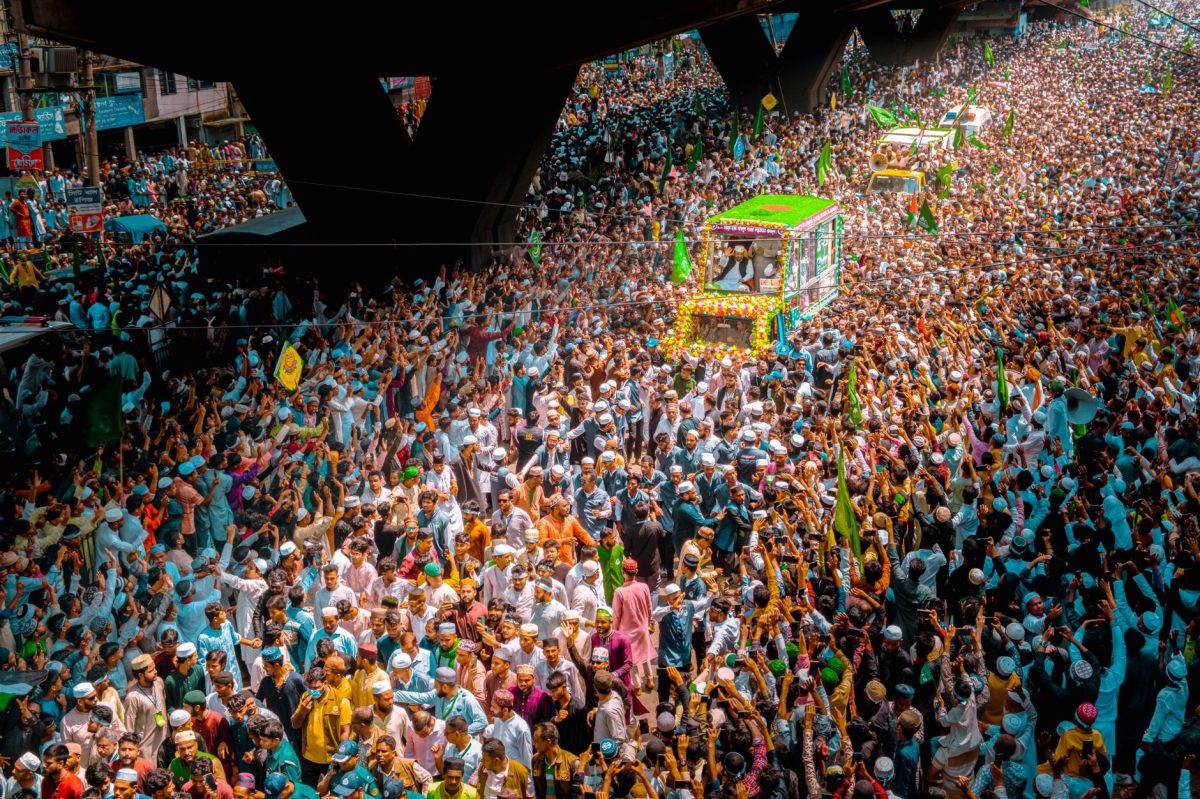
Over 49,000 people received emergency medical treatment during the Khamenei funeral procession in Tehran, raising concerns about the health and safety of attendees. This staggering number sheds light on the potential risks of large-scale gatherings and the importance of proper crowd control measures.
Crowd Surge Overwhelms Medical Services
According to a report by the Iranian Ministry of Health, nearly 49,000 individuals were treated for various medical conditions, including dehydration, heat exhaustion, and injuries sustained during the chaotic event. The funeral procession, which took place in June, drew millions of mourners to the streets of Tehran. Account to the Iranian news agency, IRNA, indicates that the surge in medical cases overwhelmed the city's emergency services, with many patients being treated in makeshift clinics and hospitals.
Risks of Large-Scale Gatherings
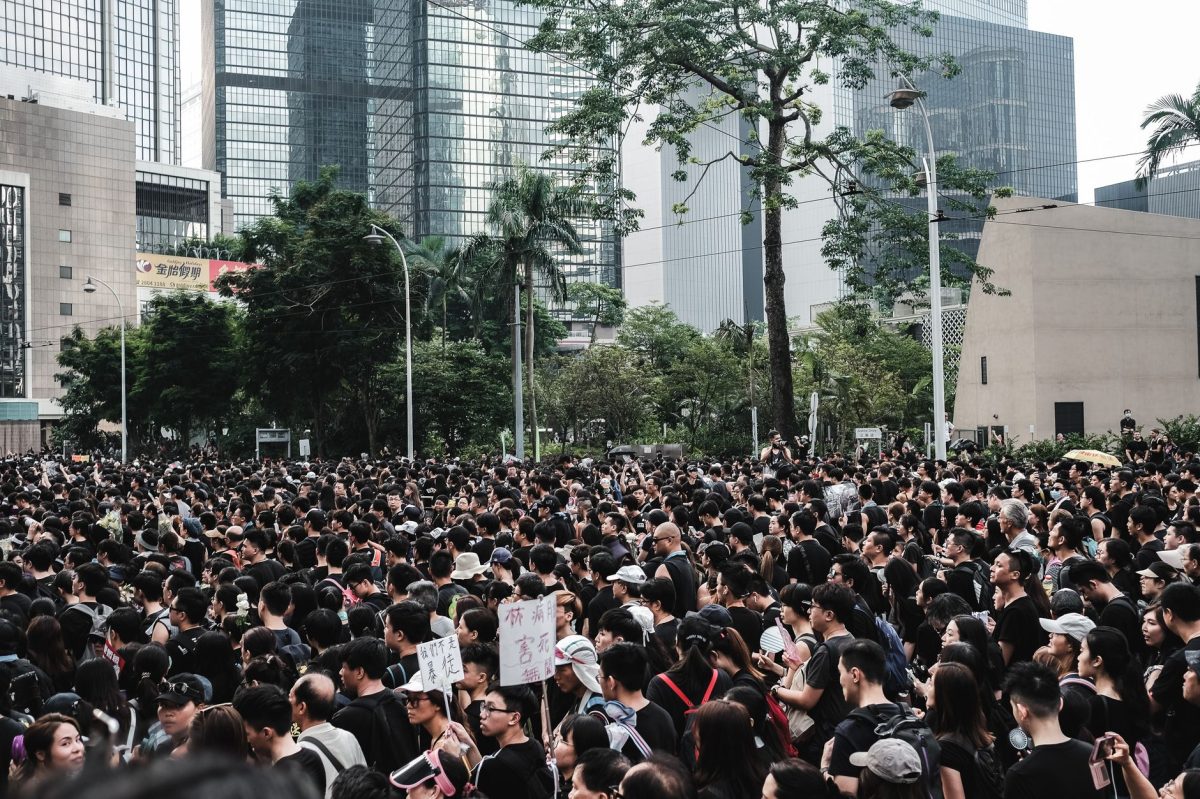
The sheer number of people in attendance posed a significant challenge to the authorities, who struggled to maintain order and ensure the safety of the crowd. This incident highlights the potential risks associated with large-scale gatherings, where the density of the crowd and the lack of proper crowd control measures can lead to chaos and devastating consequences. It also raises questions about the preparedness of emergency services to handle such events.

Uncertainty Surrounds the Causes of the Surge
Despite the Iranian Ministry of Health's report, the exact causes of the surge in medical cases remain unclear. There are several factors that could have contributed to the chaos, including the sheer size of the crowd, the intense heat, and the lack of proper crowd control measures. Further investigation is needed to determine the root causes of the incident and to identify measures to prevent such occurrences in the future.
Key Takeaways
- 49,000 people received emergency medical treatment during the Khamenei funeral procession in Tehran.
- The funeral procession drew millions of mourners to the streets of Tehran.
- The surge in medical cases overwhelmed the city's emergency services.
- The incident highlights the potential risks associated with large-scale gatherings.
- The Iranian Ministry of Health is investigating the causes of the surge.
What to Watch
In the coming days and weeks, it will be essential to monitor the situation and assess the effectiveness of the measures put in place to prevent similar incidents in the future. Key individuals to watch include Iranian health officials, who will need to provide more information about the causes of the surge and the measures being taken to prevent future incidents. Realistic outcomes in the next 24-72 hours include increased scrutiny of crowd control measures and potential changes to event planning protocols.
According to a study by the World Health Organization, heat-related illnesses are a leading cause of death during mass gatherings.
The Khamenei funeral procession in Tehran was a chaotic event that highlighted the importance of prioritizing the health and safety of attendees at large-scale gatherings. As the Iranian authorities continue to investigate the causes of the surge in medical cases, it is essential to remember that such events can have devastating consequences. By taking proactive measures to mitigate these risks, we can work towards creating safer and more enjoyable experiences for all.